
9 tips for saving on heating
The biggest item weighing on your household budget tends to be heating. So you will probably welcome any small step that helps reduce it. Believe it or not, sometimes very little effort is enough, and the result shows up in your annual bill. So how do you go about it? According to surveys, lowering the temperature in your home by 1 °C immediately cuts energy consumption by 6%, which is not insignificant. On the other hand, this does not mean you will have to wear a jumper indoors. To start with, follow the recommended temperatures for individual rooms, so remember:
- In rooms that are not lived in, set a temperature of 16–18 °C.
- Rooms that are in constant use, on the other hand, should be around 20 °C.
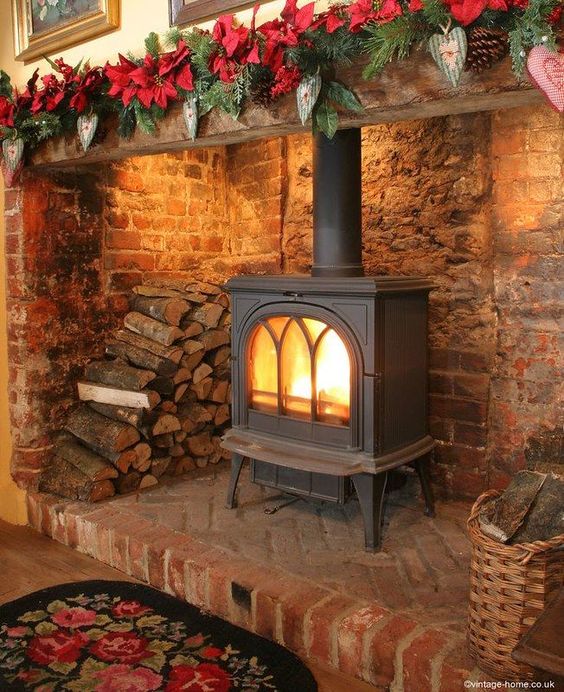
1. Thermostatic radiator valve
This is a very affordable gadget, yet a simple turn can save up to a third of your heating costs. Digital thermostatic radiator valves are also ideal, but it is important to use them correctly. They have heating settings from 1 to 5, and each setting corresponds to a certain temperature. This makes it very easy to adjust the temperature throughout your home without overheating individual rooms. You can, of course, also connect them to temperature sensors, so that regulation then follows the temperature.
Set lower temperatures when you are out and warmer ones when you come back. Lower ones again for sleeping. Smart control lets you optimise your energy consumption. In the same way, you can now buy a fridge that saves on costs.
In the bathroom, it is a good idea to turn the heating up to 24 °C. In the bedroom, however, turn the temperature down, as you will sleep better.
2. Bleeding the central heating
If you have noticed that your radiator is not heating properly, it may not have been bled properly. You can also tell by the sound. So how do you deal with it? Get a radiator bleed key, which you can buy at a hardware shop. Put a cloth and a bucket under the radiator to catch any escaping water so that your carpet is not damaged. Once the valve starts hissing and spluttering, a little water will run out and the radiator will work again.
3. Air rooms briefly
Fresh air is essential, so be careful not to let heat out for longer than necessary. The general recommendation is to air rooms for 10 to 15 minutes. The air is replaced, but the pleasant indoor climate remains. Ideally, air rooms in the morning and before bed. Always check, too, that your neighbour is not burning fuel right by your window at that moment.
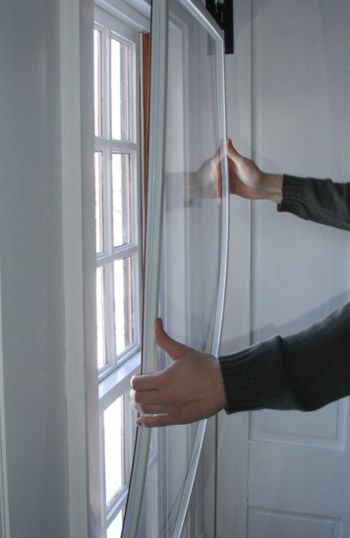
4. Insulating windows
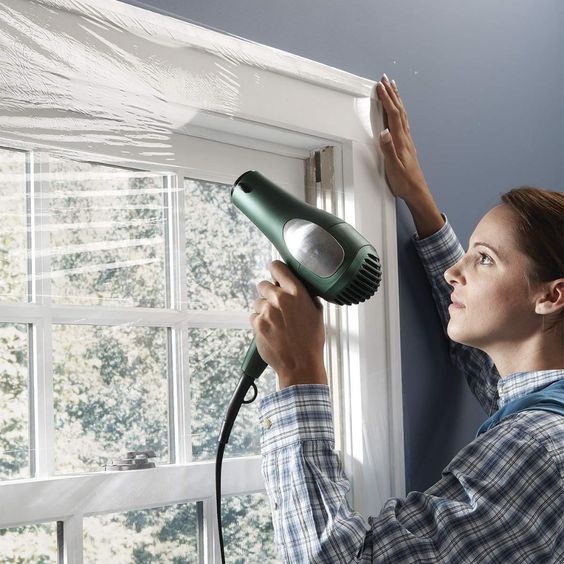
Properly insulating your windows can gain you up to 2 °C in a room. A window is often the weakest point in a room when it comes to heat loss. Do not hesitate to use draught excluder cushions, for example, or various heavier blackout curtains. These help keep out the cold and also improve your sleep. Also consider glazing your balcony. This creates extra thermal insulation for your flat or house and can save you a great deal on heating. On top of that, you gain more living space all year round.
Insulating the whole house could also help. Brick and prefabricated panel walls in particular tend to absorb heat. So if you add aluminium foil behind the radiator, the heat flow is reflected back. There are also thermal insulation coatings that can cut costs by 10% to 30%. These coatings currently cost from thousands to tens of thousands of CZK. A more expensive and more effective form of insulation is the classic solution using polystyrene or mineral wool.
By insulating the facade and roof and replacing the windows, you can save more than 50% on energy. It is a long-term investment with a payback period of around 10 to 20 years, depending on the cost of labour, materials and energy. If you are considering whether the investment will pay off, contact a company specialising in facade insulation.
5. Checking the boiler and optimising the fireplace
A well-adjusted boiler is the foundation of every home, so do not forget regular inspections. This will save you a lot of money. Check your fireplace too. If you use your fireplace often, make sure the area around it is well insulated so that heat is reflected back into the room. You should also definitely consider a heat exchanger for the fireplace, which can increase the heat output and efficiency of a fireplace or wood-burning stove.
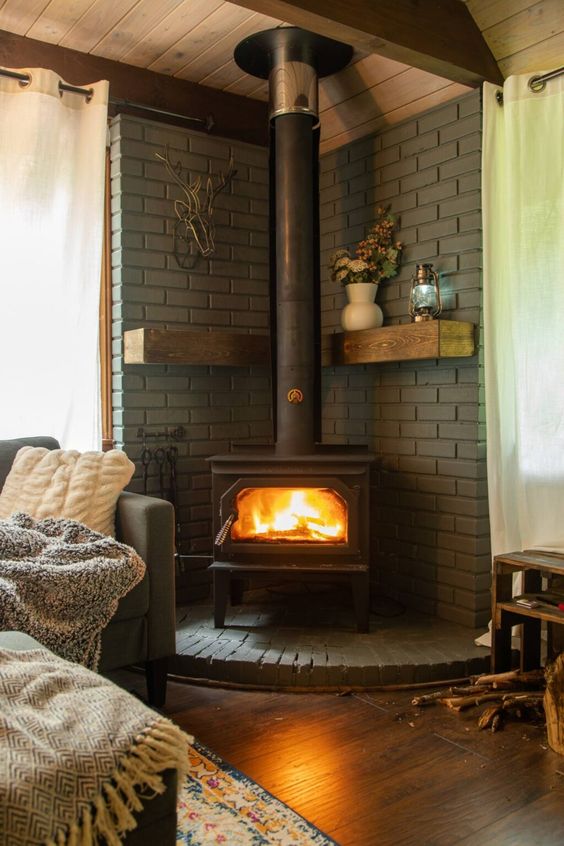
6. Top up the heat with air conditioning
There are now air conditioning units that can also heat the air, and their running costs are surprisingly low compared with a direct electric heater. Air conditioning has its advantages and disadvantages, but do not be put off by it. Remember that the drier the air in a room, the more you need to heat it. The ideal air humidity is around 40%. If you need to raise it, you can do so with humidifiers or plants.
7. Interior colours
Also think about the right choice of colours in your interior. Warm colours, for example, and especially the yellowish light of a lamp or chandelier, create a feeling of warmth. Do not hesitate to add some interesting rugs as well. Another thing is the paint on the walls itself. Nowadays, paints are available that contain a thermal insulating additive, which can reduce heat loss by up to 50%.
8. Keep your feet warm
Are you looking for ways to save on heating? If you are someone who feels the cold and shivers even when you see a snowy landscape on television, you probably have no choice but to get warm socks or slippers. This will give your whole body a feeling of warmth. If you also make yourself a cup of tea, plantain tea for example, you will boost your immune system. You will also be particularly comfortable at night, when you will be able to sleep at a temperature of 17 °C without feeling cold.
9. Solar energy, make use of natural resources
Make use of solar energy. Look into solar panels, which can reduce your electricity costs. The sun is free, so use it to heat water or your home. Of course, the purchase price is not low and it is important to do your sums carefully, but a combination of photovoltaics and a heat pump is a comfortable and economical option, albeit with a higher purchase price.
There are several ways to save on heating. But remember that what matters most is your comfort and lifestyle. Do not overdo anything.
Leave a Reply