
Do you know how a drainage pipe works?
Are you building a house yourself? Or have you started a house renovation? You will make plenty of mistakes during a build like this. Remember, though, that you should be especially careful when laying the foundations. Closely linked to this is a working system for draining away excess water. So don’t make life hard for yourself, and find out straight away why a drainage pipe matters so much.
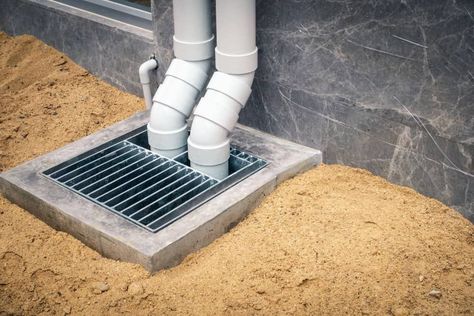
Water problems
A drainage pipe is laid around the foundations. However, for it to do its job, you must lay it correctly and in the right order with the other materials placed in the trench around the foundations. So the most important rule is this: always install a drainage system around the foundations. Water tends to collect around the structure, and it has to be drained away. If you decide not to, moisture from outside could get into the house. Remember that this water most often appears in areas with a high water table.
What a drainage pipe does
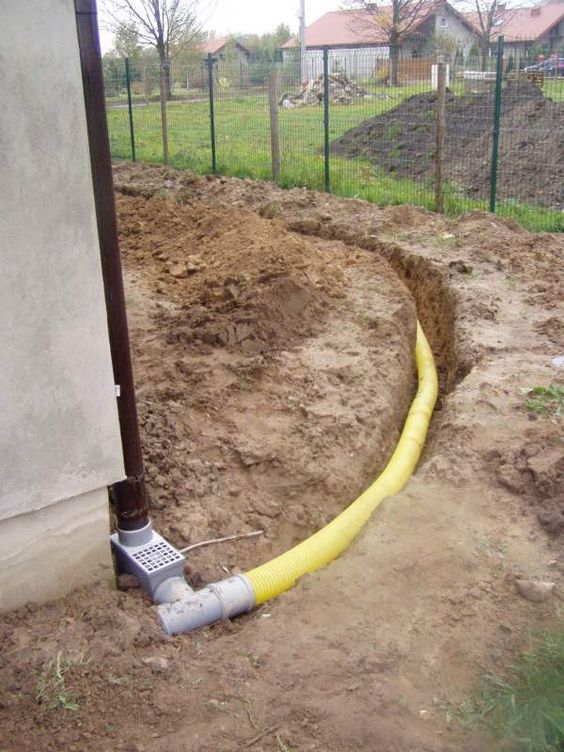
A drainage pipe is usually made of PVC-U. Its key feature is that it is fully flexible, so it follows the shape of the foundations. Most pipes are yellow or black and have small slots on the surface that let water into the pipe. The slots are generally about 1.2 mm wide. Shops stock pipe in 50 m lengths, but you can also buy just the length you need. Drainage pipes usually come in diameters of 50, 80, 100, 125 and 160 mm.
If you have problems with groundwater, a drainage pipe could help, at least partly.
The individual components
The system includes a drainage inspection chamber, into which the ends of the drainage pipes are connected. It is used to flush and inspect the individual drains. The chamber usually has 3 to 4 inlet sockets with diameters of up to 200 mm. Another component is rigid drainage pipe with couplings, which is also designed to carry water away from around strip foundations.
Designing the drainage system correctly
The most important thing is a correct design, which must meet several basic requirements:
- The minimum fall must be 0.5%
- The minimum water intake area is 80 cm/m
- The bottom of the drain should be above the foundation base
- The drainage system must not discharge into any kind of soakaway, as this could cause blockages
If you follow our advice, faults can only be caused by poor construction and neglected maintenance afterwards.
Which drainage channels should you choose?
Drainage channels are another important topic. They are used to drain sloping paved areas. You will most often see them in driveway paving in front of a garage or just before the exit onto the road. They are set into the concrete paving at the bottom of the slope. They are covered with a grating that sits flush with the paving. The channels are made as precast units from concrete, polymer concrete or polypropylene. The grating is usually made of galvanised steel or tough plastic. You can also connect them to the rainwater drainage system.
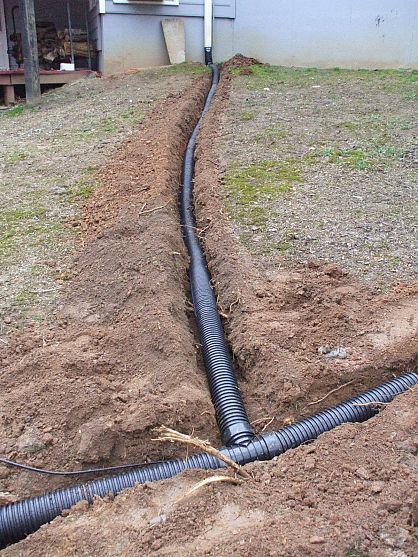
As we mentioned, maintenance is also important once the work is finished. Because soil, small stones or roots can fill or block the system, it needs flushing with pressurised water from time to time. You do this through the inspection chambers, and the pressure carries the water even to hard-to-reach places.
Leave a Reply