
Solar panels and heat pumps, real-world experience
These days, many people are looking for ways to reduce their dependence on fossil fuels while saving on energy. Two technologies often used for this purpose are photovoltaic panels and heat pumps. Here are some experiences with these technologies.
It also matters a great deal which provider you choose for your solar PV system. There are now many companies on the market, and some have financial problems, take deposits and then struggle with the installation itself. If you are interested, you can try our request for a turnkey solar PV system.
Solar PV
Photovoltaic panels are an excellent way to get electricity from renewable sources. These panels use solar energy and convert it into electricity. For many people, photovoltaic panels are a great choice because they are a passive way of generating electricity. This means you do not have to carry out any maintenance and you do not have to worry about any additional costs. In addition, photovoltaic panels can be installed practically anywhere with enough sunlight.
You can try solar panels for heating water, or go straight for a combination of solar PV and a heat pump.
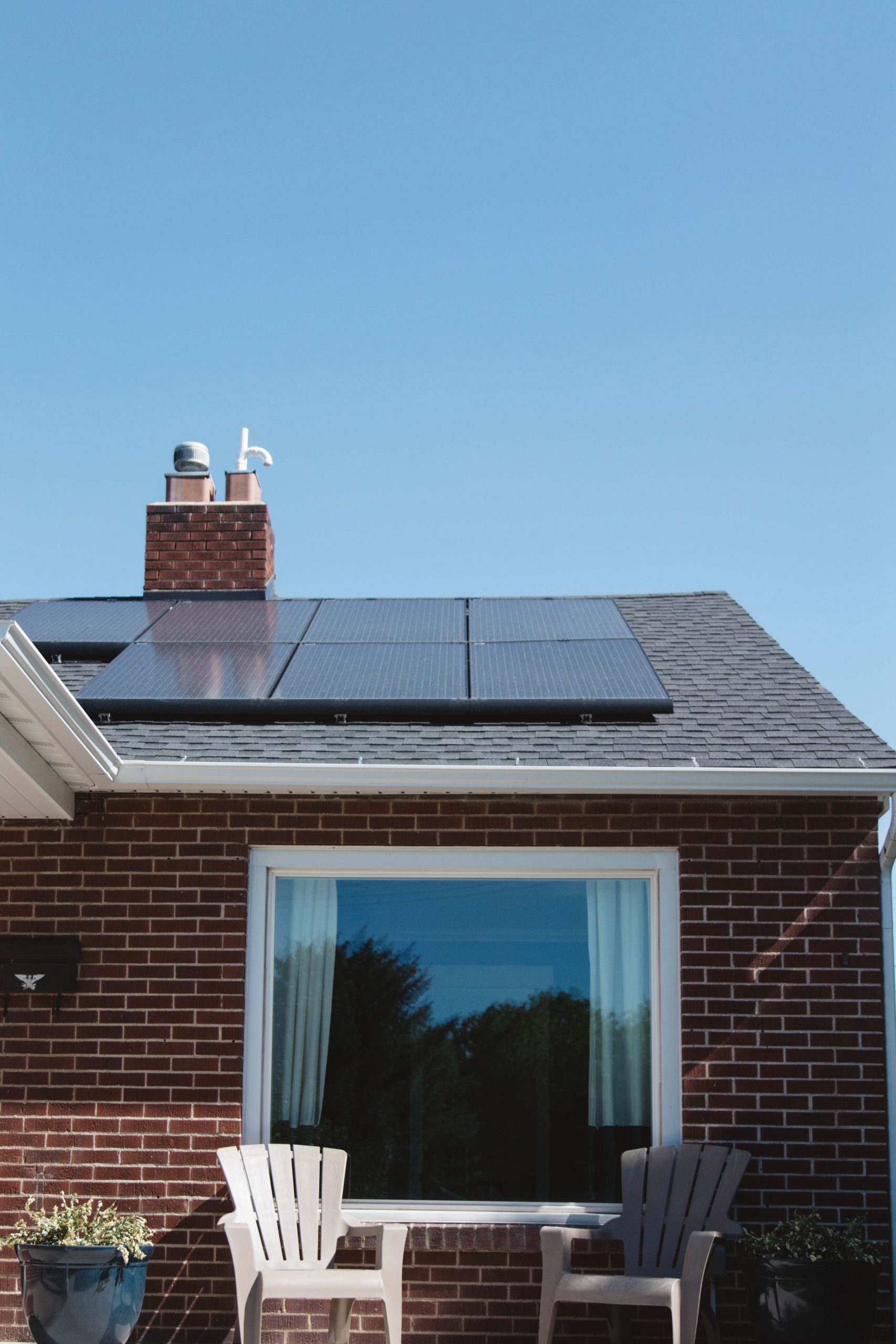
Heat pumps are another technology that can help reduce your energy dependence. These devices use warm air or water to produce heat or cooling. Heat pumps are ideal for homes where you need to regulate the temperature and do not want to spend large amounts of energy on heating or cooling.
Many people think that heat pumps are expensive and complicated to install. But the truth is that installing a heat pump is relatively simple and can also be done in existing buildings. If you are looking for a way to save on energy, a heat pump can be a great choice.
If you decide to install photovoltaic panels and a heat pump, you can save a large amount of money on your energy bill. These technologies are a great way to reduce your dependence on fossil fuels while helping to protect the environment.
Payback
Electricity consumption differs from house to house, so the required output of a solar power system varies. However, combining solar PV with a heat pump saves more than using just one system on its own. Solar panels on the roof not only cover the consumption of electrical appliances but also power the heat pump, which heats water and provides space heating for the house. It is therefore an ideal ecosystem.
You will save the most when switching to a heat pump from an electric boiler, where electricity bills can fall by up to 90 percent. The payback on the investment depends not only on the system’s output but also on the subsidy you receive. For someone who is eligible for a heat pump subsidy, the payback period for the combination of both systems is said to be around 3 to 6 years. Without a subsidy, the payback is considerably worse, and buying a solar PV system with a heat pump does not really pay off. However, the calculations are highly individual and depend on the specific situation.
A specific example
If you are planning to install a 4.5 kW solar power system, you need to be aware that its electricity production depends on sunlight. Average annual electricity production is expected to be around 4,000 kWh, but this figure can vary depending on the season and the weather. In the winter months, the output of the solar power system will be reduced by frost or snow, which can cause up to an 80% drop in energy production.
Given that a solar power system is not ideal for covering winter energy consumption, it may be worth considering installing a heat pump. For example, an Economic or Dynamic heat pump with an output of 8 kW and a power input of 2 kW may be suitable for a family house with a floor area of 130 m2. On average, the heat pump will run for 10 hours a day during the heating season. In January, a 4.5 kW solar power system will produce as much energy as the heat pump consumes in 2 days of operation. In the winter months, the solar power system’s electricity production may fall short of the household’s other electricity consumption plus the heat pump’s electricity consumption, which you need to bear in mind.
Leave a Reply