
7 tips on how to save on heating your house
Heating a house comes with many pitfalls. While a flat is usually pleasantly warm even in winter without any fear of excessive costs, a family house is a completely different matter. And it does not matter whether you heat with air conditioning or a wood-burning stove. So what matters most when heating a house? Good habits, thrift and, above all, investment in energy-saving measures.
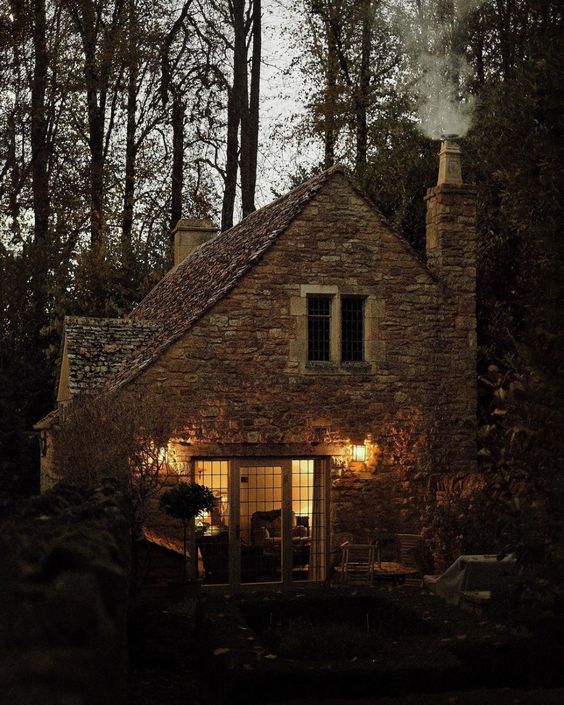
1. Do not overheat rooms
Overheating rooms is a common mistake in family houses. To avoid it, simply find out what temperature each room should actually be. Just as a reminder:
- In the living room, the temperature should be around 20 to 22 °C
- Bathroom 24 °C
- Bedroom 18 to 20 °C
- Children’s room 20 to 21 °C
- Hallway 17 to 19 °C
To achieve this, you need to fit thermostatic valves to your radiators. Also think carefully about whether you really need to heat all day. Would the evening alone be enough?
You can also buy solar panels. Just be prepared for a longer payback period.
2. Items left on radiators
Remember that radiators should always be left uncovered. So definitely do not put a sofa against them, even if it is a little way in front. Air should circulate freely throughout the house. Interestingly, if you do not cover your radiator, you can save up to 10% of the energy used to heat your house. Circulating air also reduces condensation on windows, but you should still cover the windows with curtains or blinds at night. If you want to reflect heat back into the room, get some reflective foil and place it behind the radiator.
Tip: Also read our article on how to paint radiators.
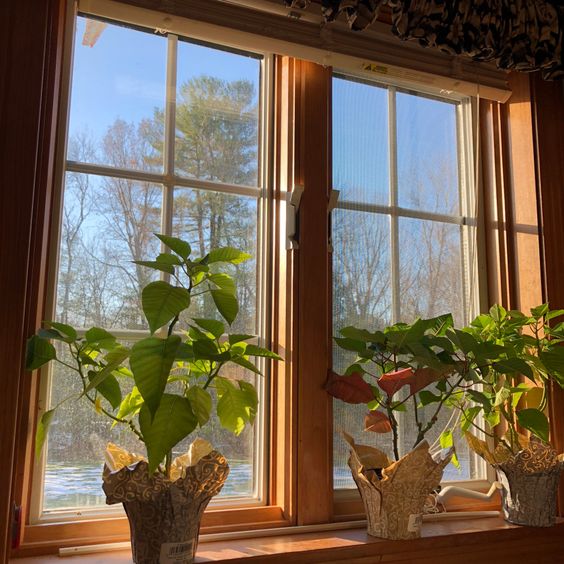
3. Windows and doors
How else can you save on heating your house? By sealing the openings through which most heat escapes. Up to 40%. So if you have an old house awaiting renovation, try to seal the windows and doors with good-quality draught strips. For example, stick reflective foil on the glass to reflect heat back into the room. If the windows and doors are beyond saving, you will have no choice but to buy new ones. In that case, however, you will need to allow for making good the openings. Glazing a balcony or loggia also helps a great deal.
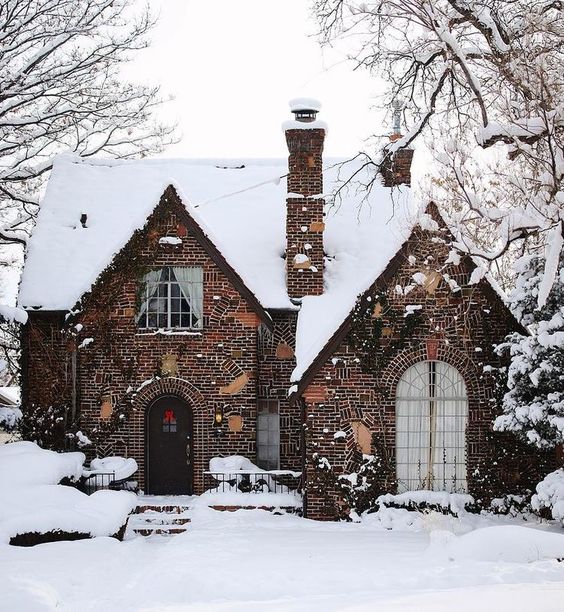
4. Insulating the house
Proper insulation can save you up to 35% of your house heating costs. Bear in mind, however, that the costs will only pay for themselves after about 7 to 10 years. To choose the right material, we recommend consulting a designer, who can also advise you on the colour finish of the facade. You can insulate not only windows and doors, but also the roof or loft, by laying thermal insulation on the loft floor. It is better not to change your heating system before insulating, as your heat demand will be significantly lower afterwards.
Chimney inspections are usually the most important.
5. Clean the chimney
This is a basic step. If your chimney draws poorly, the fuel in your boiler cannot burn properly, which reduces its efficiency and leads to tar build-up. So always call a chimney sweep before the heating season to check the condition of your chimney and clean it if necessary. When you light the heating for the first time, remember to go easy on both the chimney and the boiler. Build up to full heat gradually.
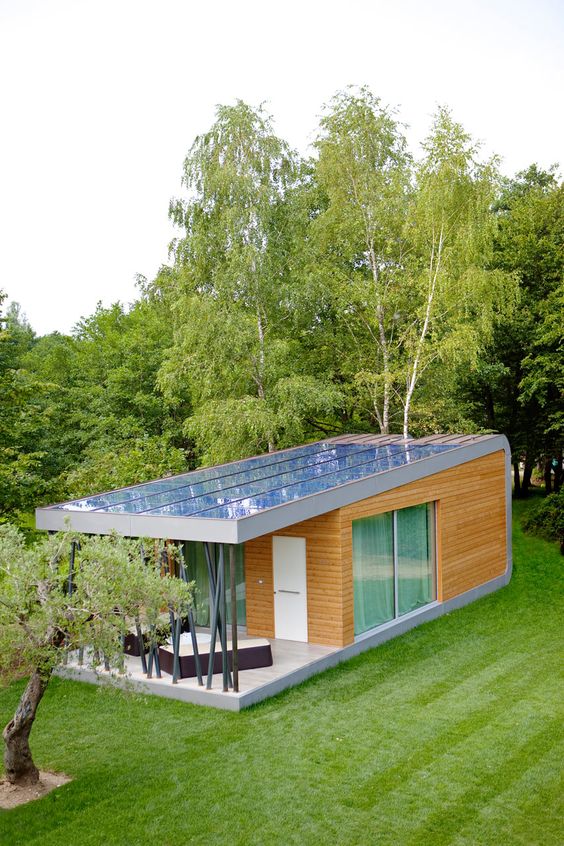
6. Heating system
Before you decide to replace your heating, consider whether simply changing the type of boiler might be enough. The smallest saving comes from buying a greener boiler. However, replacing the boiler is of no use if you heat more water than you need. Old, thick cast-iron pipes and radiators belong on the scrap heap. In this case, of course, be prepared for quite a large investment. At the same time, think about whether some rooms would benefit from underfloor heating, as it offers a faster return on investment.
If you heat with electricity, solar panels and a photovoltaic system, for which you can also get a subsidy, can help you save.
7. Boiler checks
As with the chimney, regular checks pay off for the boiler too. It is a good idea to check a solid fuel boiler 6 times a year. Also be prepared to remove soot frequently. A gas boiler, on the other hand, should be checked at least twice a year.

Whether or not an economic recession is coming, it is good to have your heating in good order. On the other hand, you can use the money you save to buy a nice swimming pool.
Leave a Reply