
When and how to trim a hedge
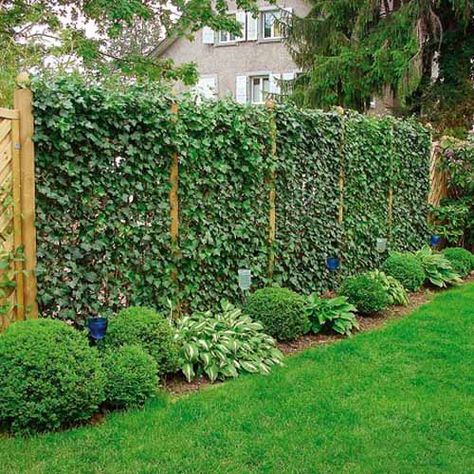
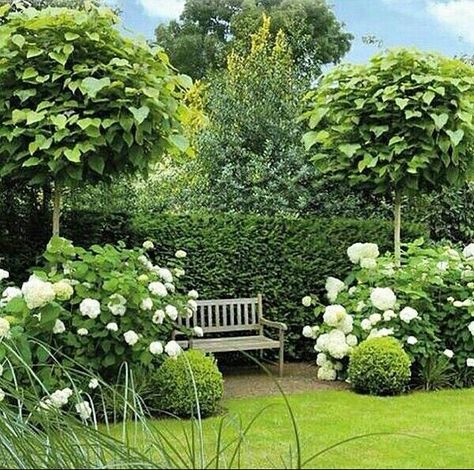
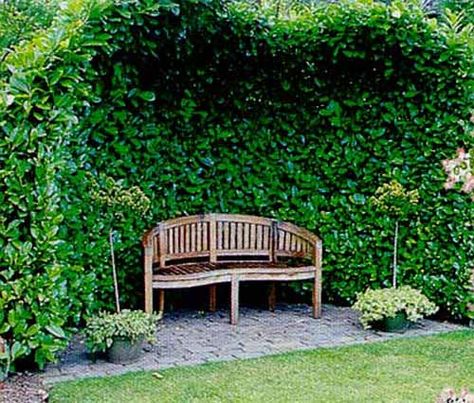
To trim or let it grow freely? If you have read any of the books by garden designers, you may have liked the idea of not looking after your hedge very much. However, it depends on the type of hedge. Remember that it acts as a protective screen for a private garden and a barrier against a noisy road or dust. A hedge can also divide a garden in a very interesting way and create a nook that is all your own. It is ideal for creating a pergola.
The right moment
Even the black bee waits for the right moment to appear in your garden. As we mentioned, it depends on the type of plants you have planted. They are divided into:
- Evergreen
- Coniferous
- Deciduous
The advantage of evergreens and conifers is that they are trimmed once a year, in spring. There are even species that grow very quickly. You can also trim them later, but in summer they may start to dry out. New shoots need enough space so that they do not get frost damage in winter. A deciduous hedge, on the other hand, is trimmed twice a year, at the beginning and end of summer. This applies, for example, to privet, hornbeam and beech.
Remember that incorrect trimming can badly damage your work. February is usually given as the best time for trimming. This is also because of nesting birds, as it avoids disturbing them or damaging their nests.
Trimming a hedge
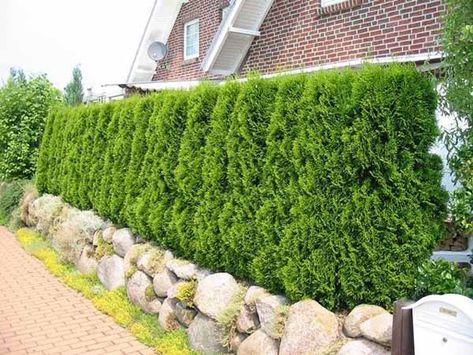
You may have noticed that attractive hedges are wider at the bottom than at the top. The reason is even light across the hedge, including near the ground, so the hedge does not become bare at the bottom. When trimming, keep in mind that in an imaginary cross-section the hedge should have the shape of a trapezoid whose bottom side is about 20 cm wider (the trapezoid should taper towards the top, like the letter A). A hedge trimmed this way will also be more stable and the weight of any snow will not break it in winter.
For a regular and even cut, it is recommended to trim the hedge from the bottom up (to make it easier to check the slope). You can start with either the sides of the hedge or its top.
For example, on a mature, well-shaped hedge, remove only the protruding branches.
Shears are essential
A hedge needs suitable, good-quality shears. For young woody plants or shoots, use secateurs. Otherwise, hedge shears are the ideal choice. For smaller hedges or younger individual shoots, simple manual hedge shears are enough. For larger areas, use electric, cordless or petrol hedge trimmers.
If you have a large garden, you will especially appreciate cordless and petrol hedge trimmers. For small to medium gardens, cheaper electric ones are enough. However, always watch the power cable so that you do not cut through it while working.
Manual hedge shears
Advantages: quiet, allow very fine shaping, low risk of injury
Disadvantages: require a lot of strength, cut only thin branches
Petrol hedge trimmers
Advantages: maximum freedom of movement, higher cutting power
Disadvantages: heavy, demanding to maintain
Electric hedge trimmers
Advantages: quiet, good area coverage
Disadvantages: need a mains power cable
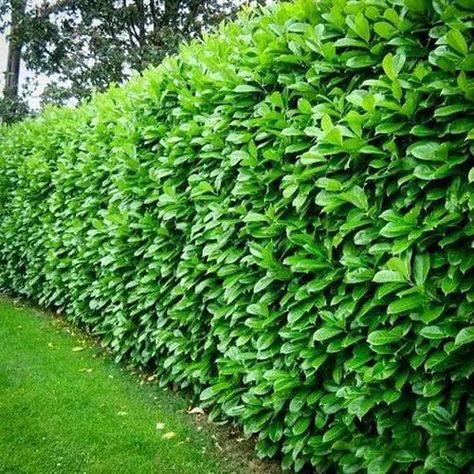
You can easily learn how to trim a hedge or pick it up by watching others. After all, you can always ask an expert at a garden centre for advice.
Leave a Reply