
How to ventilate properly to prevent mould
Every house or flat has some kind of flaw. Whether it is crooked walls or badly installed wiring, something can always be done about it. Even if mould appears in your home, you can fight it. Proper ventilation is the key. In winter, for example, it is recommended to let the building freeze through thoroughly. Regular ventilation remains important after the winter period, too. An interesting option is a heat recovery unit, which is used mainly where natural ventilation cannot provide a suitable indoor environment for people. It extracts polluted, humid or otherwise stale air and replaces it with fresh air.

The best possible air quality
This is the main goal. If you ventilate through a window, you need to allow enough time for the air to be completely exchanged. This time varies depending on the outdoor temperature. In winter it is 4 to 6 minutes. In spring and autumn it is 10 to 20 minutes. In summer it is 25 to 30 minutes. A light breeze can even double the rate of exchange, so remember that it is a good idea to open the window for 10 minutes in the morning, ideally with a cross draught. Dry air can then flow in and humid air can get out.
Ventilate briefly but often.
After another 3 to 4 hours, the air is saturated again and you need to air the room again with short bursts of ventilation, repeated several times a day for a few minutes. When you ventilate across several rooms, the air is completely exchanged within 3 minutes at most. Cold outdoor air contains only very little moisture and can absorb a large amount of moisture as it warms up. So the lower the outdoor temperature, the shorter the ventilation time.
Today, in a new build or a conversion, you can save as much as possible on heating costs simply by using good materials. Heat stays in the room, and the insulating performance of modern timber windows is also much better than it used to be. Condensation often forms on windows with good insulating glass, with droplets running down the pane.
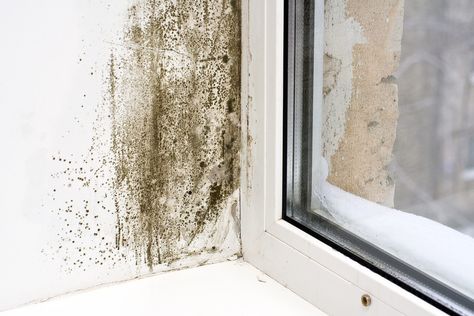
Poor or missing ventilation creates an unhealthy indoor climate that seriously affects your quality of life at home. Proper ventilation, on the other hand, saves energy and keeps a pleasant living environment, because fresh, dry air warms up several times faster than humid air.
Poor ventilation
We make the biggest mistakes when ventilating in autumn and winter. It should never be an extreme. For example, when it is below freezing outside, it does not even occur to us to air the room, and that is exactly where the mistake lies. Without an exchange of air, we may feel more tired and our health problems may get worse. Using micro-ventilation is also not ideal, as the window fittings can freeze and become damaged as a result.
Regular ventilation helps fight off viruses!
Other reasons for poor air in your home
Cooking fumes excessive humidity a modern, energy-efficient building pollutants pets
Regular ventilation replaces harmful substances, such as the carbon dioxide (CO2) produced when we breathe and the fumes, gases and other vapours from paints, furniture and other objects, with fresh, oxygen-rich air. Ventilation also regulates humidity in the room.
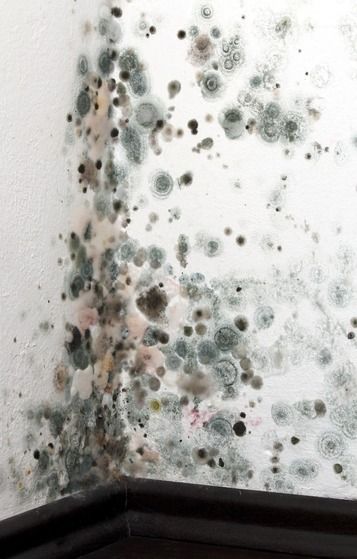
Modern technical aids
There is a wide range of technical devices that can help us ventilate properly.
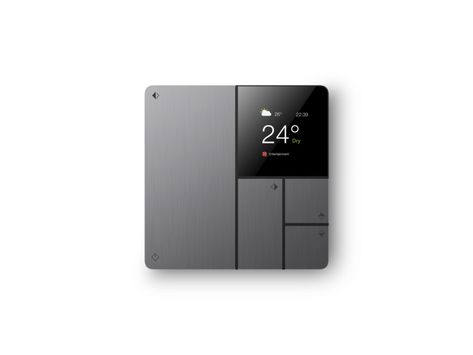
Window sensor: when you tilt or fully open a window for a burst of ventilation, the sensor connects to a control unit, which then switches off the heating automatically. Of course, it also works the other way round. A handy gadget, don’t you think?
Air quality sensor: it measures the air quality in your home and alerts you if it gets worse.
Dehumidifiers and humidifiers
Dehumidifiers: damp and humid air damage objects, furniture and health. They speed up musty odours and mould and encourage corrosion, especially in rooms that are not properly sealed. An ideal indoor climate and good temperature control ensure comfort and prevent this damage, whatever the room.
Humidifiers: An overly humid climate is just as harmful as an overly dry one. Humidity below 45% is unpleasant: static electricity builds up, breathing is harder and skin becomes irritated. That is why humidification, i.e. artificially adding water vapour to the air in a room, is so important.
Air purifiers: Pollutants fall into two main groups: solid and gaseous. Solid particles are air pollutants that are so light they float in the air; they penetrate deep into the lungs. Particles that do not penetrate deeply cause allergies. Gaseous pollutants are chemical compounds that come from exhaust fumes, gas heaters, vehicles and tobacco smoke. One well-known pollutant is the frequently mentioned particulate matter. Reducing the amount of these pollutants often means a better quality of life, especially for people with allergies and asthma.
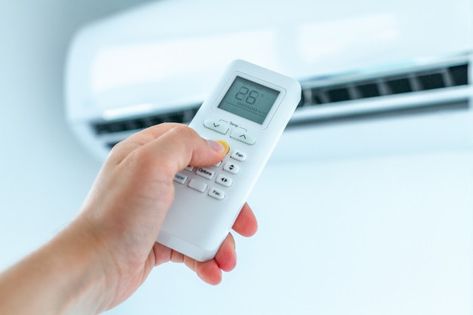
A clean yet airy home is everyone’s dream. The most important thing is the price, but even that need not turn your hair grey.
Leave a Reply