
Underfloor heating, what are the advantages and disadvantages?
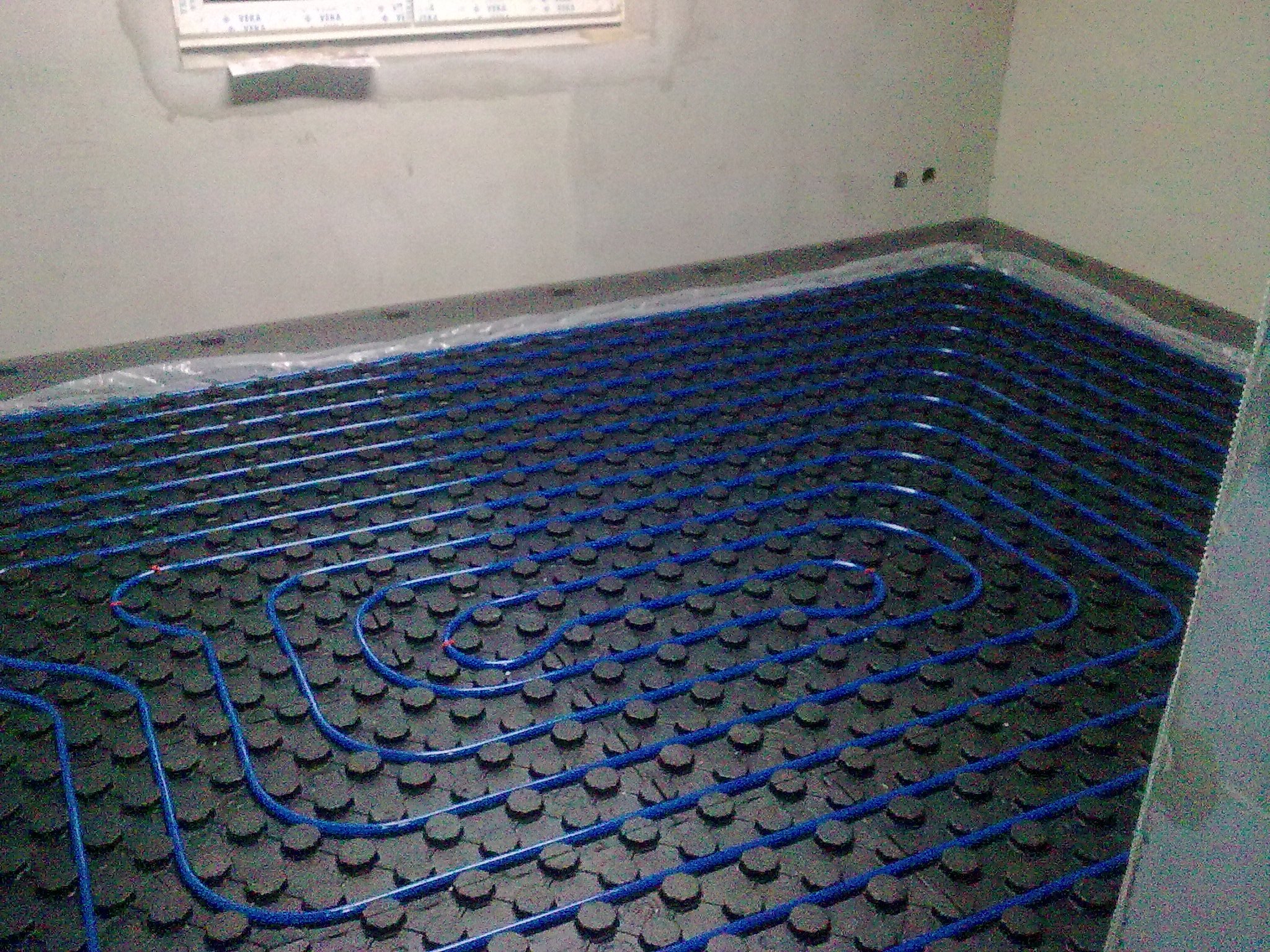
Underfloor heating has become a major trend. Many homeowners are having underfloor heating installed in both new and older houses. But what are the advantages and, above all, the disadvantages of underfloor heating?
What is underfloor heating?
The main feature of underfloor heating compared with conventional heating is the even distribution of temperature, which also reduces air circulation. Underfloor heating has a radiant component, which warms the walls of the room. The air is then warmed by these walls, which also helps to maintain an optimal relative humidity. The ideal air humidity is between 45 and 55%.
Because of the low temperature, this type of heating does not dry out the air as much as radiators do, for example. As it is a low-temperature heating system, the surface temperature of the floor is relatively low. It is usually between 22 and 25 °C, so that a pleasant air temperature is ensured.
Advantages of underfloor heating
Air humidity
As already mentioned, if you choose this type of heating, remember that the walls must warm up first before your home feels warm. Underfloor heating is a large-surface heating system. Once the walls have warmed up, the heat spreads throughout the room. Water, warm air or electric current serve as the heat transfer medium.
The look of your rooms
The first impression when you look at a room is the most important. A big advantage of underfloor heating is that you do not need radiators. This type of heating also frees up a lot of wall space. Dusting radiators can be difficult, so with underfloor heating you will appreciate not having to fumble about between the radiator panels with a cloth. If you suffer from allergies or asthma, another plus is that underfloor heating does not stir up as much dust.
A plus for low maintenance and safety
A big advantage is that underfloor heating needs very little looking after. The key is to ensure the best conditions for professional installation right at the start of construction and to use materials from reputable manufacturers. What is more, this type of heating will last a long time, and you will not have to worry about anything. Another advantage of underfloor heating is that there is no risk of burns.
Think carefully about the right material
You can install underfloor heating under almost all types of flooring. But remember, the lower the thermal resistance, the better the heat transfer into the room. For this reason, wooden flooring and thick carpets are generally not recommended. The most suitable materials are ceramic tiles, PVC and vinyl, as they have excellent thermal conductivity.
Underfloor heating and solid wood
If you have decided to lay solid wood flooring in your living room, be prepared to follow certain rules. Companies that supply and install solid wood floors will be a great help. We definitely recommend this option, as such a company will also guarantee that the wood will not be damaged.
So which types of wood are suitable after all?
- Nordic spruce
- Nordic pine
- Oak
- Siberian larch
On the other hand, types of wood that are completely unsuitable for underfloor heating are:
- Beech
- Ash
- Hornbeam
Do not underestimate the choice of wood if you want underfloor heating. Remember that the aim is for heat to travel by the easiest route through the floor layers to the top surface and into the air it is meant to warm.

Disadvantages of underfloor heating
Rooms take longer to warm up
Unfortunately, underfloor heating also has its downsides. To heat a room, the system needs a little more time to warm up. The room also needs to be well insulated to prevent heat loss. This is why this type of heating is not suitable for holiday cottages or country houses, for example.
Higher purchase costs
Installing underfloor heating is fairly demanding, both in terms of the construction work and financially. It is really important to choose a good-quality supplier, because if the heating is installed correctly, you will not have to worry about breakdowns. The investment will certainly pay for itself over time.
Leave a Reply