
4 tips on what to combine ornamental grasses with
Ornamental grasses have a wonderful and unique gift: their airiness and lightness. Whether you use them in a large garden or on a terrace, they always charm and look interesting. Whether you plant them in ornamental beds or combine them with perennials, they always create a pleasant corner and will also play an important role in a wild garden. But how, and above all, what should you combine ornamental grasses with?
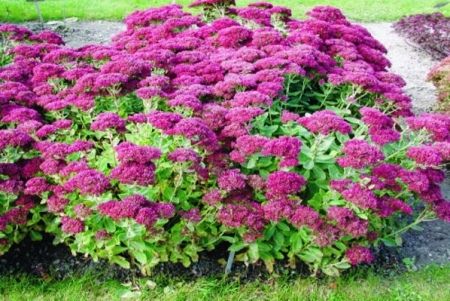
1. Stonecrop
There are lower and taller varieties, and they make a very attractive feature in almost any bed. A big advantage is that they can stand alone or alongside an ornamental grass, for example. Just remember to combine them cleverly. Stonecrop is very undemanding and long-lived. Most often you will see greyish, soft, fleshy leaves and thickened stems. As a rule, they work well planted in front of a backdrop of plants with darker leaves. Another big advantage is that they attract bees and beneficial insects. You can also put them in a vase, where they look even better than in the garden. Do not be afraid to dry them either, as they then become a very natural decoration for beds during the winter. They are also easy to propagate, and you can grow new plants from cuttings very quickly.
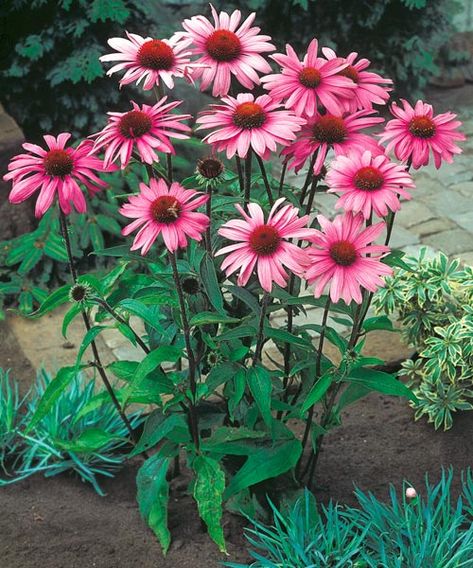
2. Coneflowers
They are perhaps the most popular perennials. This is because they are undemanding and flower in many colours, so they make a real show in a bed. Native Americans valued the coneflower as a medicinal herb, mainly for treating wounds and various infections. Both the parts above ground and the roots were used. Today it is often used as a tincture to strengthen the immune system. But watch out for allergies, as it can be very treacherous. Another big advantage is that they are spared from various diseases, slugs and pests. And as we have already mentioned, they will attract butterflies in particular. They prefer a sunny spot and humus-rich, free-draining soil that must not be waterlogged in winter. Believe us, they will brighten up any ornamental grass.
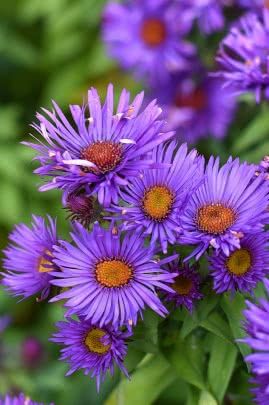
3. Asters
They are among the dominant perennials. Large clumps of asters will complement any ornamental grass. They tend to be undemanding and do well in soil that is not too free-draining and does not dry out easily. They like regular watering throughout the growing season. Plenty of moisture at the end of summer helps flower buds form. In very dry, warm spots with sandy soil they flower unreliably and are more prone to powdery mildew. They need a good supply of nutrients, so feed them carefully. Do not be afraid to use compost soil both before planting and while they are growing.
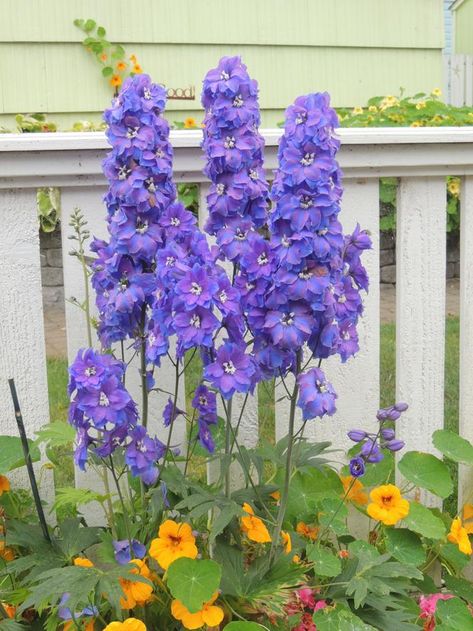
4. Delphinium
Delphinium may not be as well known as other flowers, but it has its strengths. It really makes ornamental grasses shine. It produces a surprising abundance of flowers, most often blue, purple, white or pink. It is also a tall perennial and can grow up to 2 m. Do not be afraid to use it as a cut flower, as it will create a magical atmosphere both in the garden and in your home. Believe us, it will look great at your place too.
Ornamental grasses are undemanding plants. Try fescues, pampas grasses, miscanthus and imperata, for example. Although they do not flower much, their spikes are interesting. Do not be afraid of height or colour either, simply try anything that catches your eye. Your garden will become modern and inspiring.
Leave a Reply