
How to use warm and cool colours in your home and rooms
Every few years, the rooms in a house or flat need repainting. If you decide to repaint, do all the rooms at once. When painting each room, pay close attention to the choice of colours. Colours in a home are powerful and affect how you feel and what mood you are in, so keep this in mind. Choose them very carefully. Today’s article explains how.
The colour palette in interiors is roughly divided into these two groups, and they are fairly obvious. Red, yellow, orange and beige or cream are warm. Blues, greens and greys are cool. If you look at the colour wheel (which you may remember from primary school), the warm colours are on one side of the wheel and the cool colours on the other.
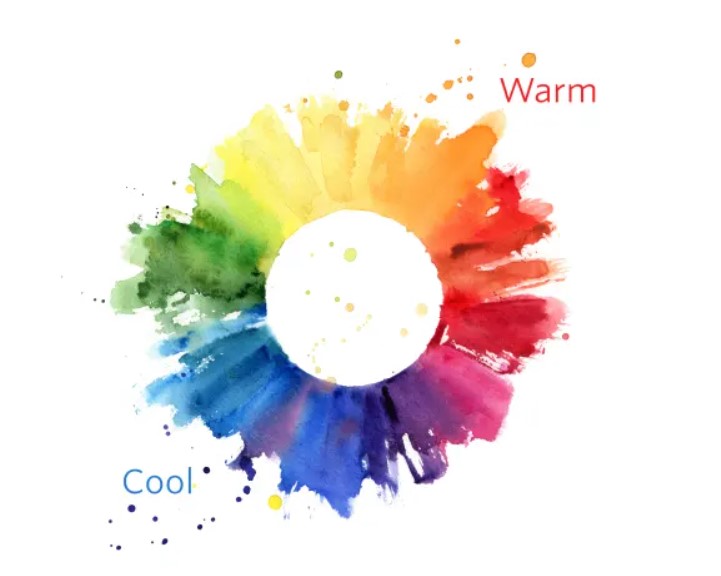
Where they meet, they mix and create hybrid colours of a sort. Green and purple are such hybrids, and they can be warmer or cooler depending on their mix. For example, lime green contains a lot of yellow and is warm, whereas Kelly green contains more blue and is cool.
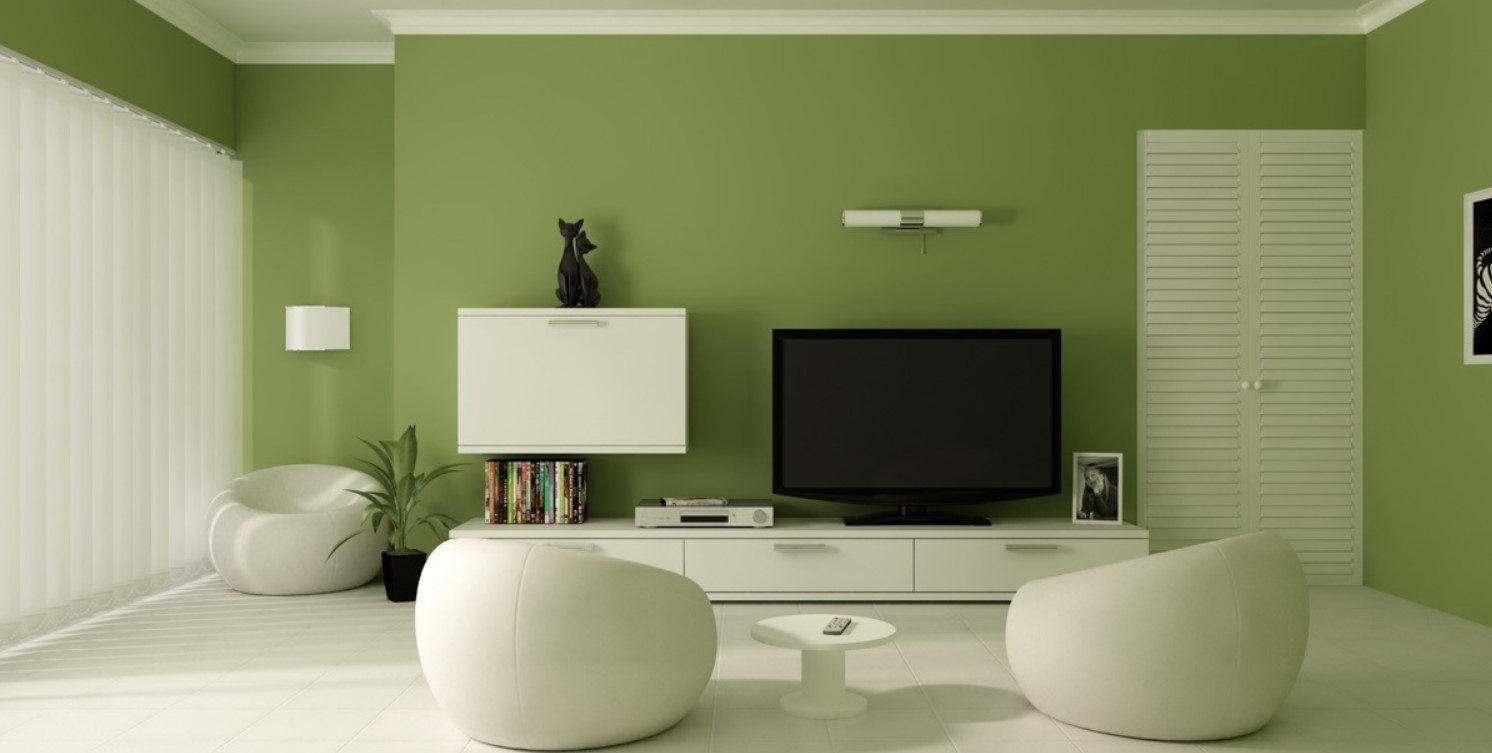
Warm colours and your home
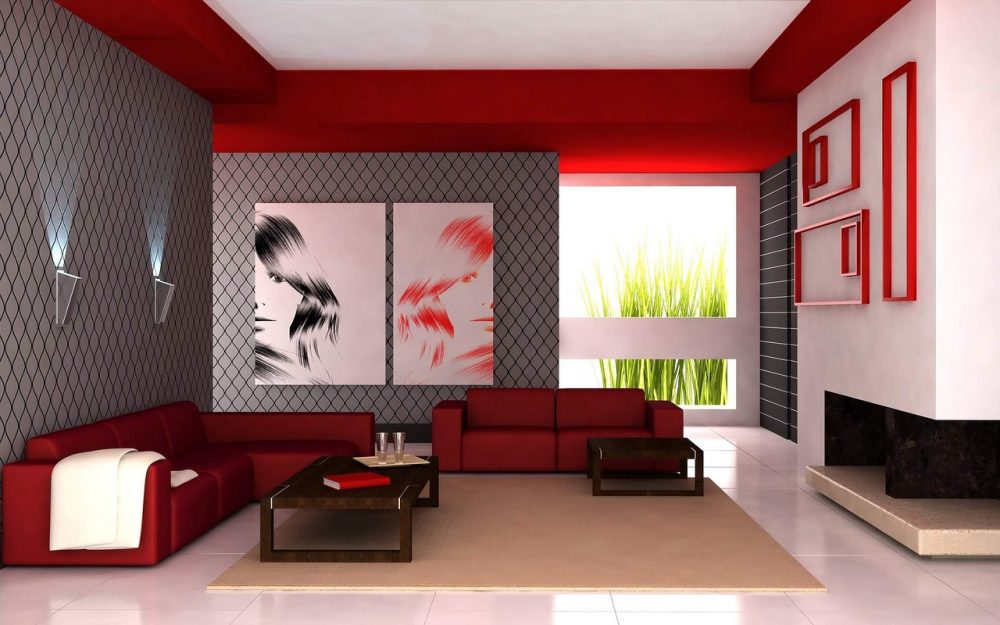
Warm colours warm and energise. They mainly include shades of red and yellow, as well as orange and cream. As they tend to energise people, they are best suited to rooms where this is needed. It is therefore ideal to use warm colours in studies, the kitchen or similar rooms in the house.
It is also worth mentioning that cheerful warm colours in a home can stimulate people, evoke feelings of joy and create an optimistic feel. That is another reason not to be afraid of using warm colours in living rooms.
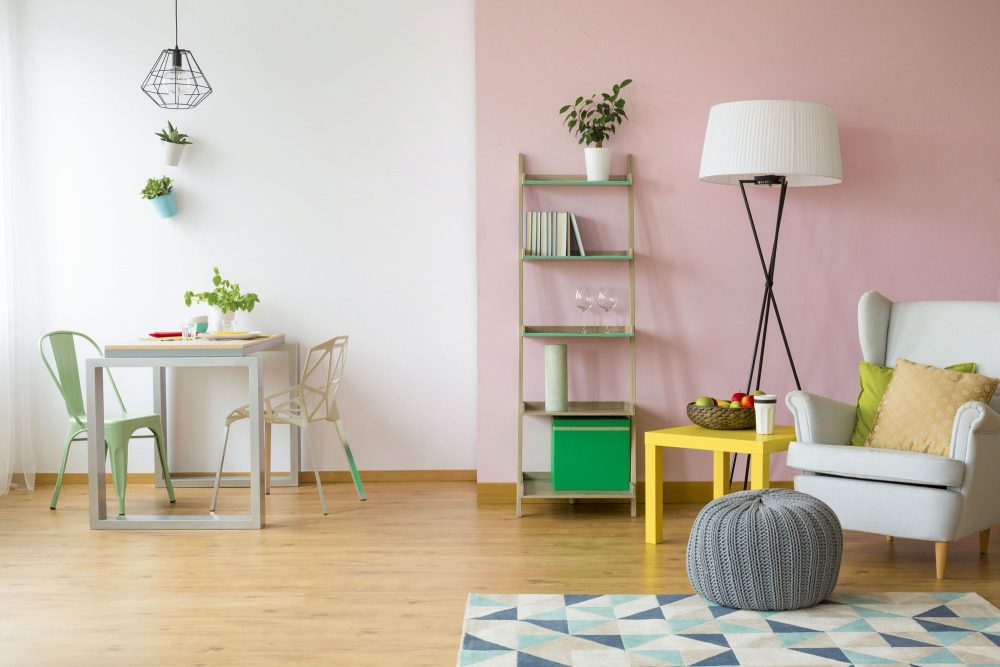
Red, orange, yellow and all the whites that lean in this direction have all the qualities of warm colours, because they are hot and stimulate our emotions, which crave warmth. This makes them suitable for social spaces. That is why red is the most successful colour in our Western consumer society and appears in brands such as Coca-Cola, Ferrari and Tesla. Where else do you come across warm colours? In fast food restaurants and in baseball teams with fiery identities, such as the Boston Red Sox, or in the Czech Republic with the iconic teams Sparta and Slavia.
Warm colours are therefore best suited to the social rooms of your home, such as the living room, dining room and kitchen. They will stimulate and encourage warm, sociable behaviour.
Cool colours and how to use them
Cool colours, on the other hand, tend to calm and evoke (to their disadvantage) a feeling of cold. Their main advantage is that they support focus and help you concentrate better. They suit rooms intended for rest or relaxation. Use them in your bedroom, in children’s rooms, as well as in bathrooms or similar rooms in the house. They can also help cool down rooms facing south or west.
The blue part of the spectrum, along with cool browns, greys and cool whites, has all the qualities of cool colours, because these colours can calm our emotions and focus our thoughts. While our heart may long for warmth, our head longs for coolness so that it can work at its best. That is why cool blues are the most popular colours in the business community and power such sober icons as IBM, General Motors and JP Morgan Chase. They symbolise stability and calm. Where else do you come across them? In men’s business suits and shirts, and in police uniforms.
Neutral colours
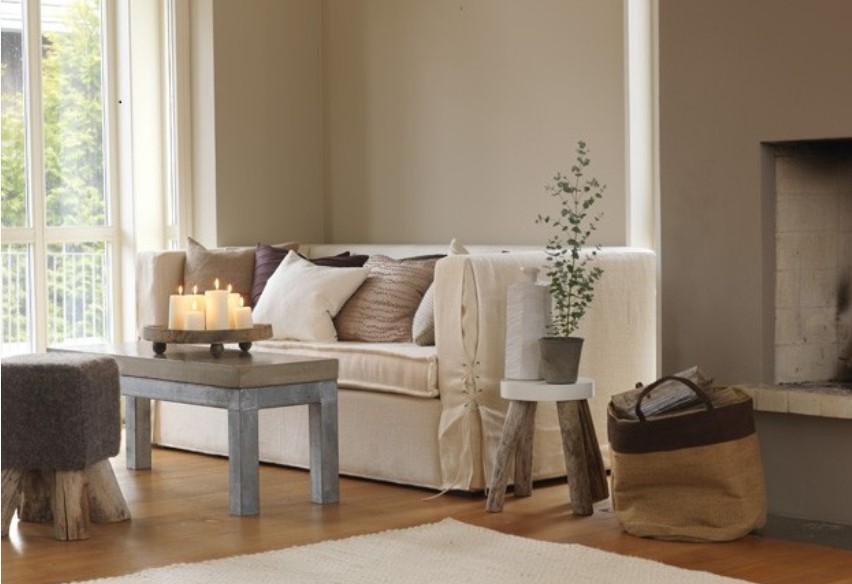
Neutral browns are a very flexible mix in which no distinct colour stands out, and they work well in many situations. Because all colours tend to form brown, neutrals cover a dizzyingly wide range of this colour, from reddish browns and milk chocolate through cooler taupe and stone shades to pale beige whites.
Neutral colours are rarely exciting on their own, but they become very exciting and sophisticated when layered with one another and with a main colour at the centre. I recommend falling in love with a wide range of neutrals and using them generously as the basis for any room, alongside a colour you love.
Don’t be afraid to use stripes
Colours in a home can also make a space look smaller or larger. For small or poorly lit rooms, choose very light shades. Ivory, cream, vanilla and mint are ideal. You also can’t go wrong with light tones of green, blue and yellow. Be cautious with dark and saturated shades and choose them mainly for accessories and decorations.
In larger, well-lit rooms you have much more freedom, and if you like them, you need not be afraid of using even dark tones. Even here, though, use them with care. A large room can also feel cramped. Choose one dominant colour and pair it with a neutral shade, or with a second bold colour used only on smaller surfaces.
White, who wouldn’t like it?
And where does white belong? You can use white anywhere. It also depends on the combination and on the light or shade you place it in. It looks very cold in natural light, so be careful not to make the room feel too chilly. With white, you do not need to worry about not having the same shade of white in every room. Make the most of both cool and warm shades of white. Grey works in a similar way. It can look cool and metallic, or warm and soft. That is why the combination of white and grey is absolutely unique. In interiors, this pair looks elegant and formal, yet light and airy at the same time.
Try samples first
Before choosing a colour, focus on choosing furniture, accessories and textiles. It is easier to find a shade that goes with furniture you have bought than the other way round. Once you have chosen, get colour charts from a paint shop and try the colours directly on the wall. Half-metre rectangles or squares are enough. You will see how the colour really feels, how it changes with the light during the day and whether you like it in the interior. Only when you are truly sure of your choice should you paint the rest of the room.
A few final tips
- Consider a feature wall: is your living room boring you? Try painting one wall in a different, bold colour. But it should not look aggressive.
- Don’t be afraid of the floor
- Textured walls: you can try painting one of the walls using a crumpled rag or a stippling technique.
Read our other articles, such as 7 Tips for Your Bedroom or how to start exercising at home.
Leave a Reply