
Ideal home temperature and how to optimise it
The optimal room temperature is very much a personal matter. Some people insist on a temperature you would rather associate with the tropics, while others prefer the exact opposite. That is why households often fight over the heating controls or argue about whether the window should be open or closed. But what is the ideal home temperature? After all, your house can also be energy self-sufficient.
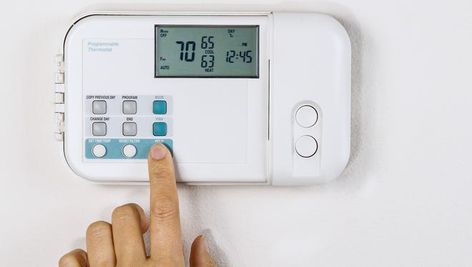
The ideal home temperature
As we have said, a lot depends on the preferences of the people in the household. The recommended temperature is around 19 °C to 23 °C, depending on how you personally feel. It also depends on what you are doing at the time, for example cooking or sitting on the sofa.
When you are asleep, we recommend leaving the heating on standby.
In the living room, for example, you should have around 19 to 20 °C. After all, when you are sitting on the sofa, you can start to feel cold within minutes.
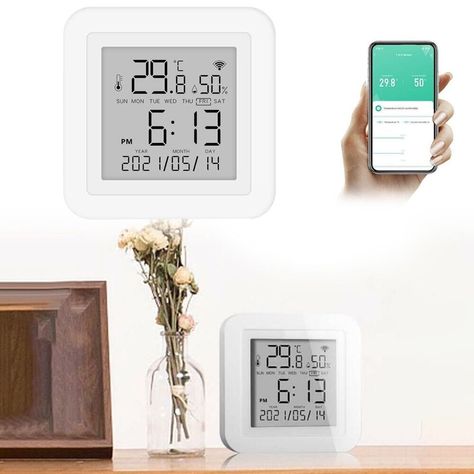
The bedroom is the opposite, where 16 to 18 °C is recommended. This really is the ideal temperature for a restful sleep. A higher temperature could disturb your deep sleep. Some people also like to have the window open and sleep soundly.
As the kitchen is where you cook, keep it at around 18 °C. In the bathroom aim for 22 °C. Hallways and stairs 10 to 15 °C.
How to adjust the temperature at home
If you are going away, for example on a winter holiday, and want to save on heating costs, never switch the heating system off completely. Unfortunately, people sometimes return to find their home flooded because of burst water pipes.
Do not place furniture in front of radiators, as it blocks the circulation of heat. Also try to remove heavy curtains and net curtains. You should also ventilate wisely, which means airing rooms intensively and quickly. Remember that small gaps only let heat escape and cool the room down, which you then have to heat up again. Poor sealing of windows and doors can also be a problem. The best way to prevent this is to roll up blankets and towels or buy special draught excluders and seals.
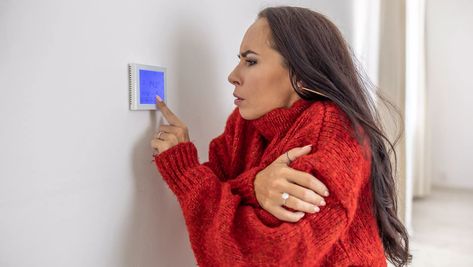
Smart home
If even this is not enough for you, consider a sensible investment in smart technology. You can easily cut your energy use with digital thermostats, which regulate heating automatically according to your needs. You can also set a weekly heating schedule with several temperature modes. If the temperature drops below the set limit, the heating switches on by itself. Do not hesitate to use a thermostat even if you have underfloor heating. By following a few rules, you will save a lot of money on heating.
A few final tips…
- gradually replace all electrical appliances with energy-efficient ones
- even consumer electronics left on standby keep your electricity meter running over the long term, slowly but constantly! Watch out for this!
- solve hot water heating in a family house by installing photovoltaics
Leave a Reply