
Energy self-sufficient house and how it works
There are various ways to save on energy consumption. Common options include investing in a modern heat pump or buying an energy source in the form of solar panels. In most cases, these are partial solutions that do not always fully help. For this reason, many of us ask how to create an energy self-sufficient house.
Energy expenditure matters most
Heat loss troubles all of us. If you have decided to build a self-sufficient house, you first need to define and list your energy expenditure, which should include:
- heat loss
- consumption of all household appliances
- heat used for water heating
This category includes not only household appliances such as the television, washing machine, fridge or even an ordinary light bulb, but also fans.
A large part of the electricity is converted into heat, which contributes to heating the home. This also applies to the fridge, which draws electric current and converts it into heat at the back. In short, a table of gains and expenditure gives you what is known as the energy balance, which shows how much energy your house covers from its own gains and how much you will need to obtain in some other way, for example by buying a suitable wood-burning stove or gas boiler.
Insulating the house
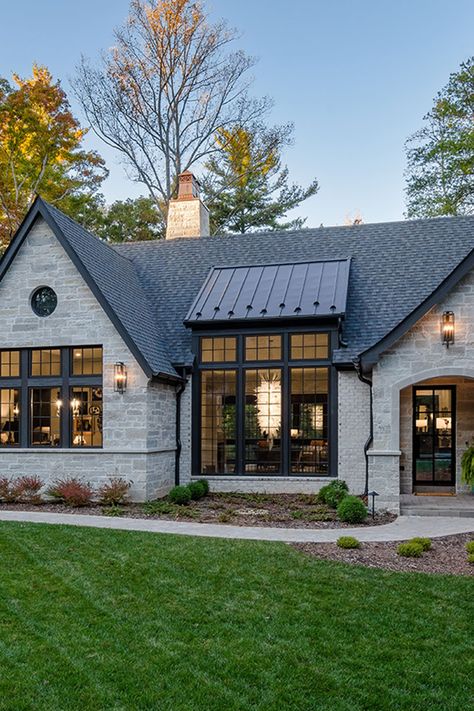
Heating the house remains the largest item in your household. However, if you have a passive house, the share of heating drops significantly. So what should you do? First, you need to address a ventilation system with heat recovery, adjustable heating and good-quality insulation of the house. The choice of insulation materials is very wide. But here too, every material has its advantages and disadvantages. Not every material suits all types of property. In any case, insulation is essential for your property on the way to energy self-sufficiency. No masonry can replace an insulating layer.
The key requirement
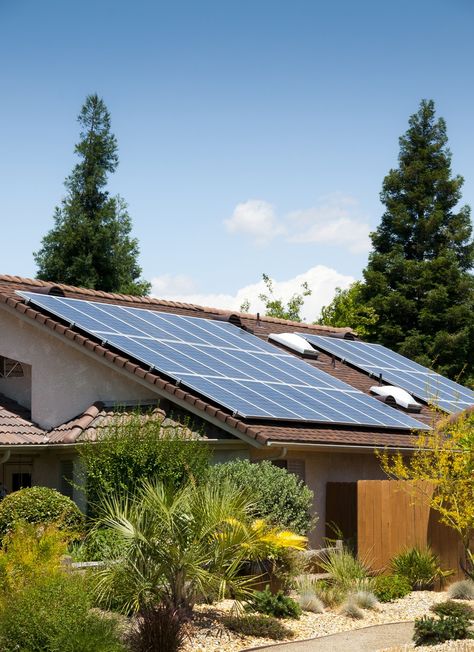
Building technologies should use renewable, environmentally friendly energy. There are three systems for producing such energy for your family house:
- photovoltaics
- solar panels
- wind energy
Photovoltaics produce electricity that you use in the house. Solar thermal systems, on the other hand, use solar energy in the form of heat. Under ideal conditions, a PV system with an output of 1 kWp (with an area of 8 to 10 square metres) can produce 700 to 1,100 kilowatt hours of electricity a year, depending on the location.
The future lies in sustainability and the use of solar radiation!
A storage device is needed to store the electricity produced. In addition, the size of the energy generator and the capacity of the electricity storage should be well matched. To reach self-consumption shares of up to around 85 percent, use electric heat pumps together with a heating water storage tank. This stores solar energy for a short time as heat produced electrically by the heat pump. Special energy management systems then optimise self-consumption and thus the profitability of the photovoltaics and the storage system.
It is all up to you
Before you start looking for construction companies, think about the extent to which your house should be self-sufficient. A problem can also arise if your house is in a remote area where connecting to the gas pipeline or the electricity grid is more difficult. Anyone can have an energy self-sufficient house, but to succeed you need to fine-tune a lot of things.
Leave a Reply