
How to process sea buckthorn from your garden
Cranberry or sea buckthorn? It’s a hard question, as both are high in vitamin C, which is especially useful in winter. But with sea buckthorn, a single orange berry is enough to meet your recommended daily intake. You can’t grow sea buckthorn as a kitchen herb, but it still deserves a place in your garden.
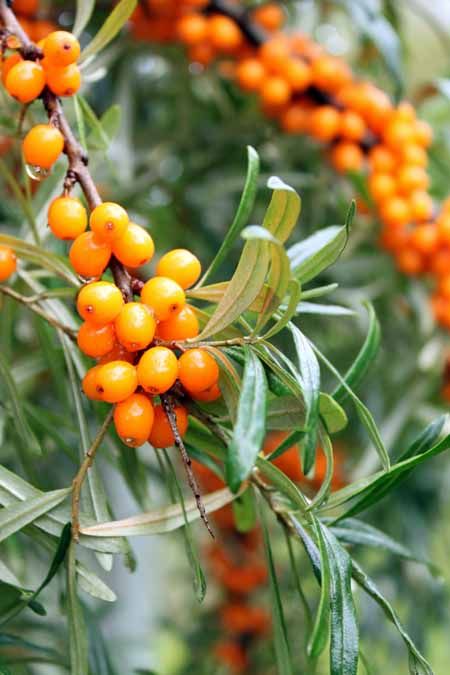
What are its benefits?
As we have already mentioned, it is high in vitamin C, but it also contains vitamin A, organic acids and biostimulating properties. If you use it over the long term, you will avoid various viral infections and support a healthy immune system. It also aids digestion and helps keep your circulation working properly and your blood vessels flexible and clear. Nor should we forget that it is very good for the skin, so you can say goodbye to various kinds of eczema.
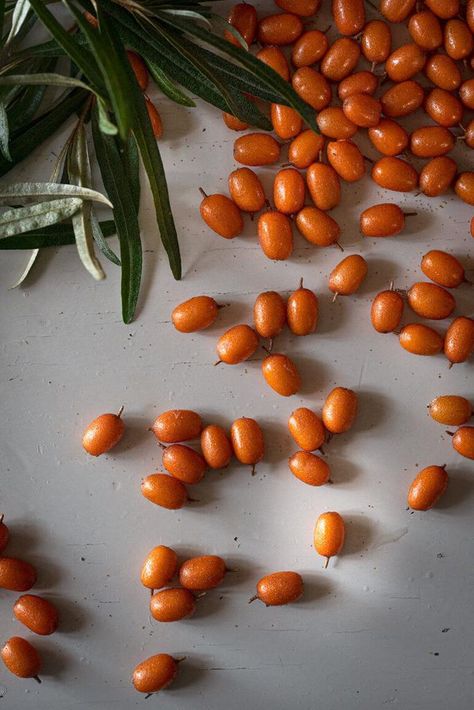
Growing sea buckthorn
This “lemon” doesn’t need any special conditions. It is very adaptable; just make sure you water it regularly, which will reward you with a generous harvest. It’s best to buy sea buckthorn plants from garden centres, where they can advise you not only on a suitable variety but also on the ideal number of plants. The good news is that some varieties can withstand even severe frost.
Interestingly, one male sea buckthorn plant needs around up to three females. Unfortunately, it is very hard to tell the sex, and you can only be sure once the plant is three years old. However, some varieties are better pollinators. Perhaps by growing it correctly you’ll even attract the black bee?
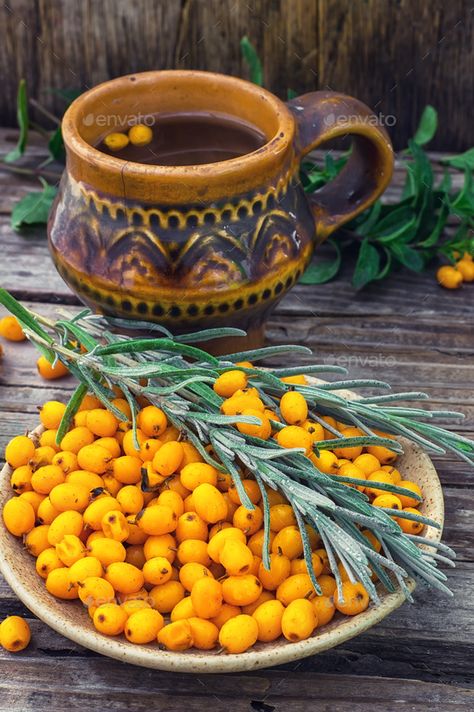
It needs water
Sea buckthorn doesn’t need special conditions. It is happy in full sun, and it doesn’t mind wind or poor soil either. However, you do need to water it regularly. Most varieties don’t like shade or waterlogged, heavy and acidic soils. If you have a steep slope, especially one that faces south, then before you start planting a rock garden there, which would certainly suit it, consider ordinary sea buckthorn too.
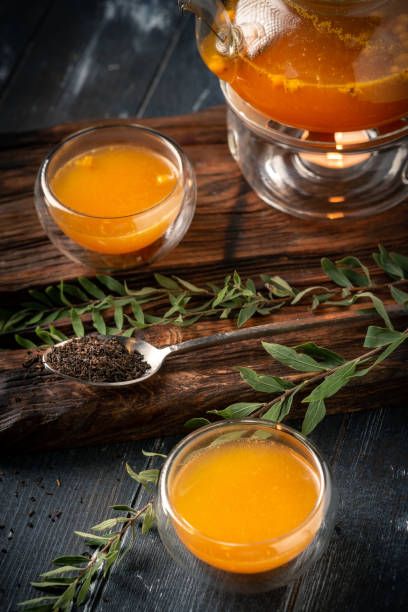
Pruning sea buckthorn
It is better to rejuvenate female varieties regularly, which means removing old branches every year so that the shrub doesn’t spread too wide and only fruit on its outer branches. Don’t worry, sea buckthorn survives hard rejuvenation pruning without any trouble, and some varieties regrow more quickly afterwards. To make the work easier (although sea buckthorn needs very little), it’s better to prune and thin it out regularly.
It likes feeding
It needs phosphorus and potassium. So if you want to be thorough, have a soil test done before planting and use the results to adjust the amount of artificial fertiliser with a higher potassium and phosphorus content. Never give it any fertiliser that contains nitrogen, so definitely don’t use horse manure. Without nitrogen it will be better able to resist any pests.
Using sea buckthorn
Drying
First, try drying sea buckthorn, either in a food dehydrator or in an open oven at 80 degrees Celsius. Remember that properly dried sea buckthorn is supple and keeps its natural scent and colour. If it has started to turn brown, it is over-dried. You can either grind it into a powder in a mincer or store the dried berries in sealed dark containers.
Freezing and preserving
Put washed and dried sea buckthorn in the freezer to preserve its health-giving properties. Alternatively, you can preserve it in jars or make juice or jam from it. Just make sure the berries don’t come into contact with metal.
Our tips
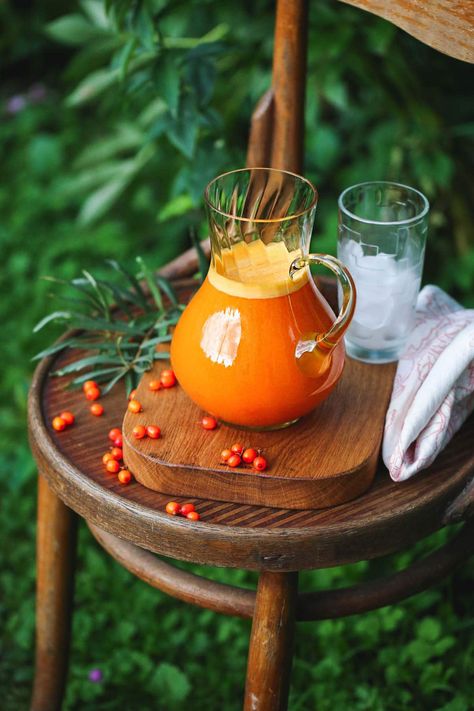
Sea buckthorn juice
You don’t need to make all sorts of smoothies; a simple juice will do. What do you need? A kilo of sea buckthorn, 500 ml of water and a sweetener (ideally honey). First, wash the berries thoroughly and put them in a blender. Add the sweetener. Press the pulp through a sieve well to get as much fresh juice as possible. Finally, top up with water.
Sea buckthorn jam
You need 1,200 g of sea buckthorn, a kilo of sugar, 2 teaspoons of citric acid and Želírfix 1:1 gelling agent. Wash the ripe berries and blend them in a large pan. Then press them through a sieve and heat the juice. Stir in the gelling agent and the citric acid with the sugar. Leave to boil for about 3 minutes. Use a teaspoon and a saucer to test how firm your jam is. Once it is firm enough, fill the jars.
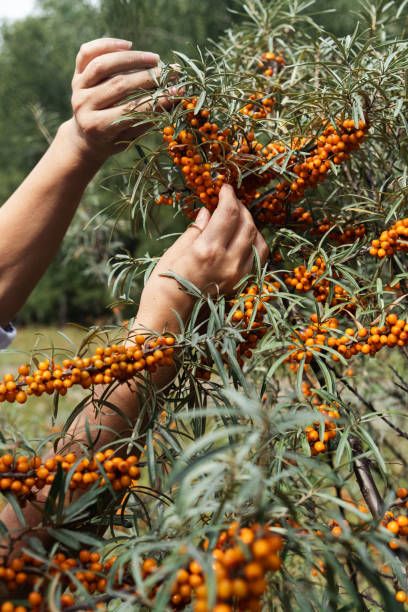
Picking sea buckthorn can be tricky and painful, as it has thorns. So expect your fingers to end up yellow and scratched. Even so, as a vitamin bomb, it will come in especially handy during the winter months.
Leave a Reply