
How to insulate window reveals properly
When insulating an old house, you need to pay close attention to various details as well, such as the reveals of windows and doors. Sometimes these areas are even forgotten completely. Yet incorrect insulation in exactly these places can create thermal bridges, along with condensation of air moisture in the interior. On top of that, with windows insulated this poorly, you will simply feel cold in freezing weather.

Insulating window reveals
Do not forget to insulate the reveals themselves. For the whole insulation system to work properly, you cannot simply leave out the reveals and just finish them with, for example, masonry adhesive. The best way to insulate window and door reveals is with thermal insulation boards, in a thickness that suits the specific conditions. Reveals are usually insulated with boards 20 to 60 mm thick, but if local conditions allow, you can also use thicker insulation here, even the same thickness as for the walls.
Connecting the thermal insulation correctly to the window frame is also important. The insulation usually overlaps the frame by about 20 to 30 mm (fitting tightly against it), and there must then be a flexible element between the render and the window frame to allow for proper expansion. You can achieve this either with a joint filled with flexible sealant or with plastic finishing strips.

For the part above the window, you can use a special profile with a drip edge (either visible or concealed) on the outer edge of the reveal, which ensures that water drains away perfectly. At the sides, the edges are then finished with corner beads and reinforcing mesh. The house insulation project usually also specifies the use of sealing tapes. These are applied to all the joints, both under the insulation and above it.

How to insulate a windowsill
How a windowsill is insulated depends mainly on the materials used. If you fit a stone or concrete slab on the external sill, for example, you need to apply a load-spreading layer on top of the thermal insulation, because the heavy load would deform the insulation. Under lightweight sheet metal sills, on the other hand, just insert an expansion strip and any other components needed.
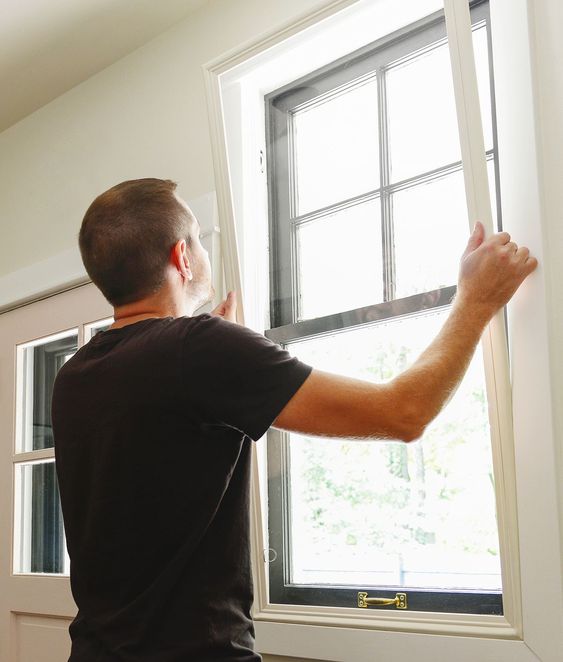
Insulating windowsills when replacing windows
If you are replacing the windows at the same time as insulating the house, it is often a good idea to use an insulating sill profile, installed between the bottom of the reveal and the frame. The sill profile is made of a material that is firm but also a good thermal insulator. Using it should improve the indoor climate in the area around the windowsills, and some window manufacturers recommend this solution directly. Insulate doors in the threshold area in a similar way.
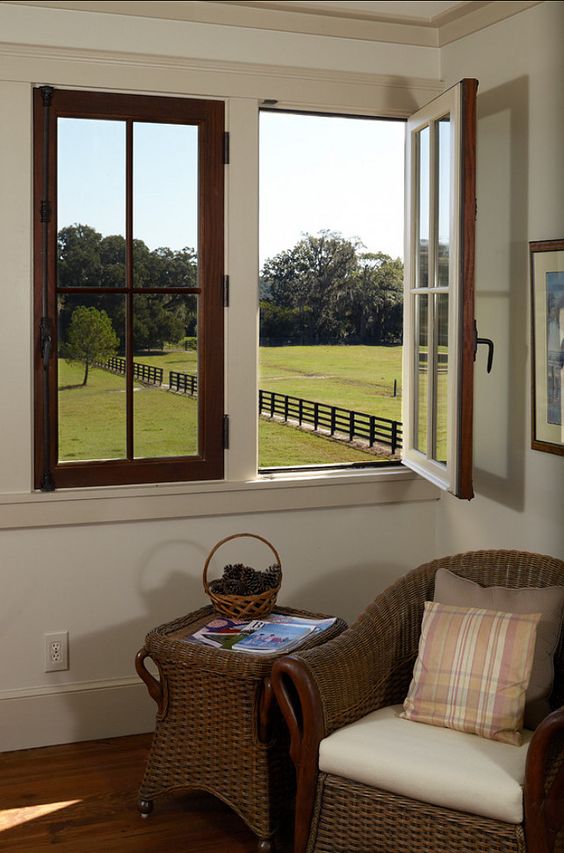
Window reveals really are very labour-intensive work, so before you dive in, it is better to consult a professional.
Does your house also have a garage? In that case, read our article on insulating garages. Or find out what HDO is or how to go Low Carb.
Leave a Reply