
Garage insulation and how to do it
Is it worth insulating a garage that is part of the house? Which materials can you use? In fact, insulating it is not as difficult as it might seem at first glance.
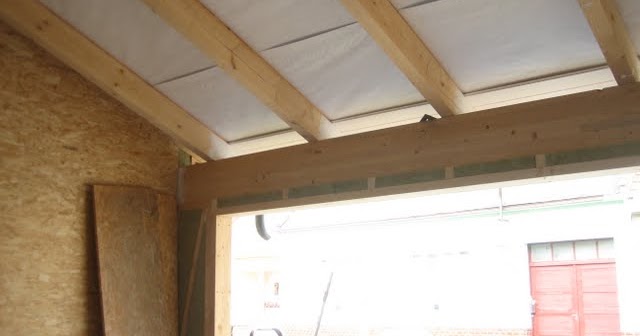
Why insulate a garage?
A garage often serves many more purposes than simply protecting a car from the weather. It can become a great storage space for bikes, and you can keep seasonal clothing, garden and other tools, paint and many other things in it. For keen DIYers, it can also serve as a practical workshop.
Unfortunately, it can also very easily become a place where heat escapes from the house. Such a garage then increases the building’s energy consumption and, as a result, your energy bills.
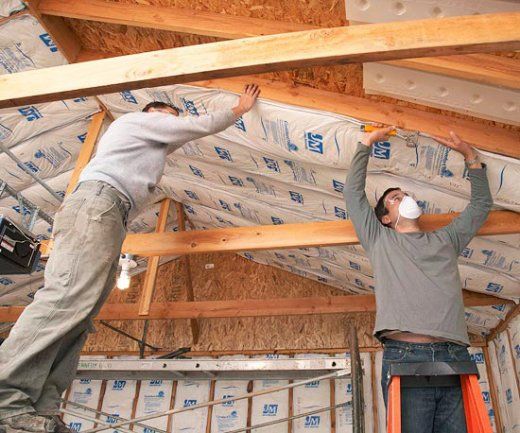
When building a family house, the question of where to put the garage almost always comes up. A popular choice is a garage that is part of the house. There can be several reasons for this. You save not only space on your plot but also money on property tax. You can also get into the garage easily straight from the house, without having to go outside.
On the other hand, you need to be aware that a garage that is part of a family house directly affects the energy balance of the whole building. Let’s say that the temperature in an unheated garage will be around 8°C in winter, while in the other rooms, including those next to the garage, you will want a comfortable 22 to 24°C. This creates two zones in the house with completely different temperatures, which causes heat to flow into the colder zone, in this case the garage.
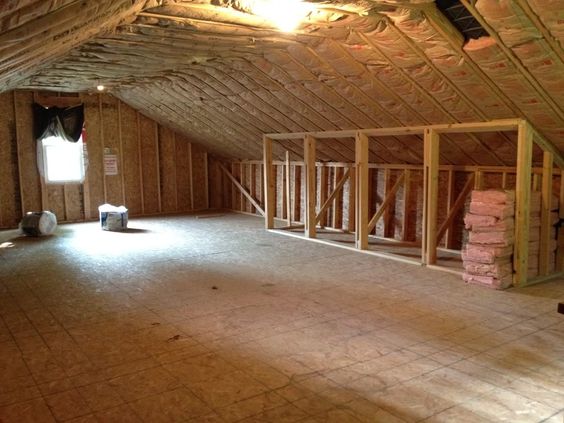
Can heat loss be prevented?
The only truly effective way is insulation that separates the heated part of the house from the unheated part. Focus on every wall that borders both zones. You can insulate these walls in the same way as the external walls of the building, with the thermal insulation layer placed on the colder side, that is, in the garage.
However, the biggest challenge when insulating a garage is usually its ceiling. One reason is that it is the largest surface adjoining the living spaces, and their floors at that. To achieve the desired effect, it pays to choose specialised solutions, such as lamella boards made of mineral wool.
The garage floor is also often a significant thermal bridge, especially if the garage is attached to living spaces or has a room above it. Properly insulating the floor reduces heat loss into the structures below, improves thermal comfort throughout the house and reduces condensation and the growth of mould.
If you are concerned about insulating the whole house, read our article on calculating heat loss in a house.
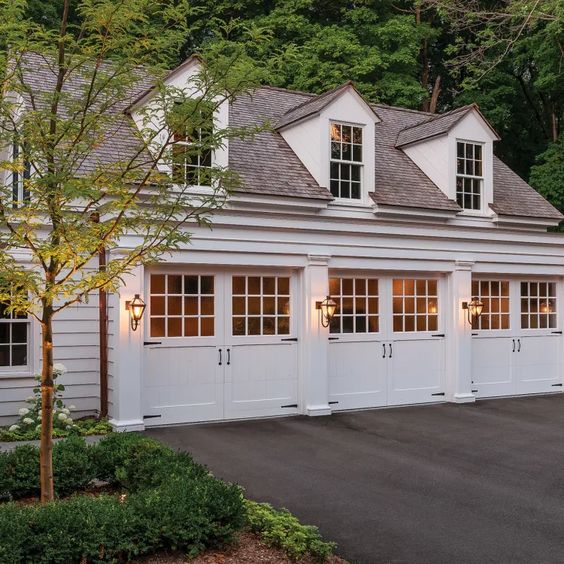
Where does heat escape from a garage?
When insulating a garage, keep in mind that insulating the walls and ceiling will never solve heat loss problems completely. Heat can also escape quite easily through uninsulated (or poorly insulated) garage doors. So how do you insulate such doors? Focus above all on the material they are made of. Owners of wooden doors are usually much better off. This is because wood is a better insulator in itself than metal, for example.
Another factor is how the door opens. This directly affects which type of insulation you can choose. In the case of systems, keep the existing thickness of the door. Thermal insulation films or special mats designed for garage doors have also proved effective. For up-and-over doors, polystyrene is a better choice, as it is a fairly cheap and easy-to-install solution.
Before you think your garage insulation through properly, take a look at our other articles, for example the pros and cons of cooperative housing or how to tidy your pantry.
Leave a Reply