
Growing rhododendrons
Do you love the bright, colourful flowers of rhododendrons, so abundant that you feel you are somewhere exotic rather than in Bohemia? Growing rhododendrons is not exactly easy, but we will explain why that should not put you off. The result will amaze you. So what do you need to do to grow rhododendrons? You can find out in our article.
The best soil
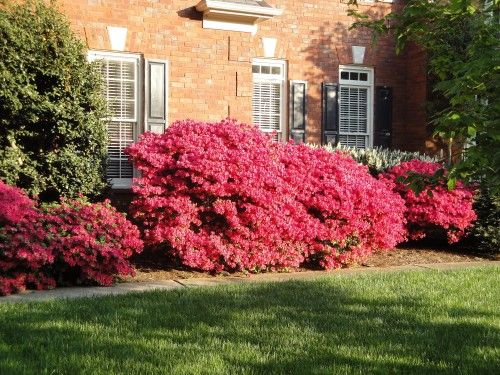
Rhododendrons mainly need humus-rich, fertile soil. This is because their roots are shallow and need free-draining soil. They also prefer a lower soil pH, between 4.5 and 5.5. If your soil pH is higher, do not give up hope. Try grafted varieties, or improve the soil with peat or compost in a 1:1 ratio.
Rhododendrons and light
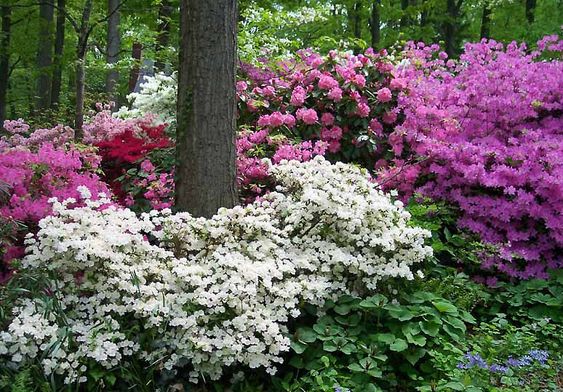
Most rhododendrons prefer more shade than light. Spots where the shrubs are exposed to the midday sun are less suitable. Also try to plant them on the north or west side, where the temperature difference between day and night is smaller.
How to plant
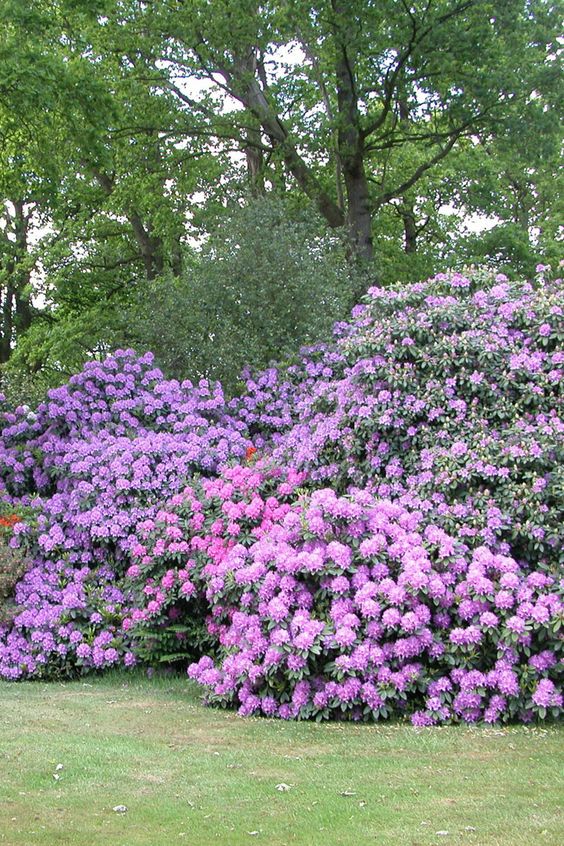
Before you plant rhododendrons, soak the roots of the young plant in water for several hours. Then take them out and plant them at the same depth as before. In both cases, the planting hole should be 4 times larger than the plant’s root ball.
How do you care for rhododendrons?
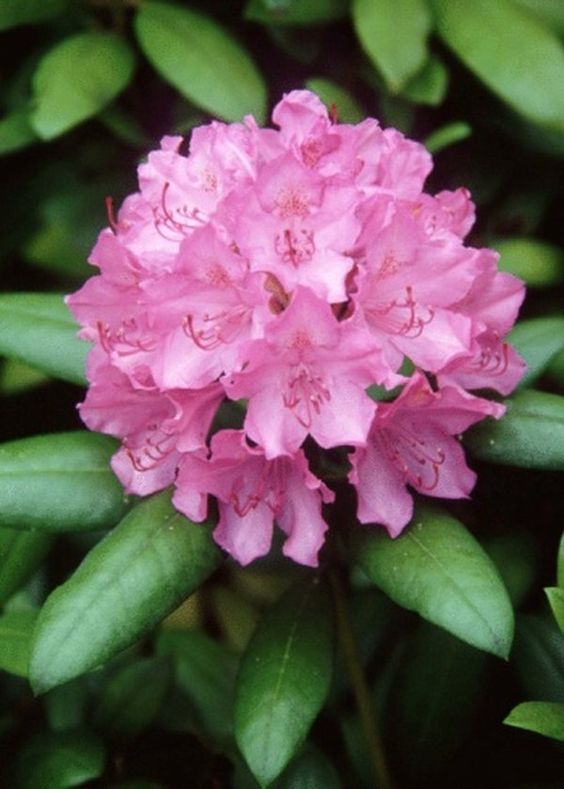
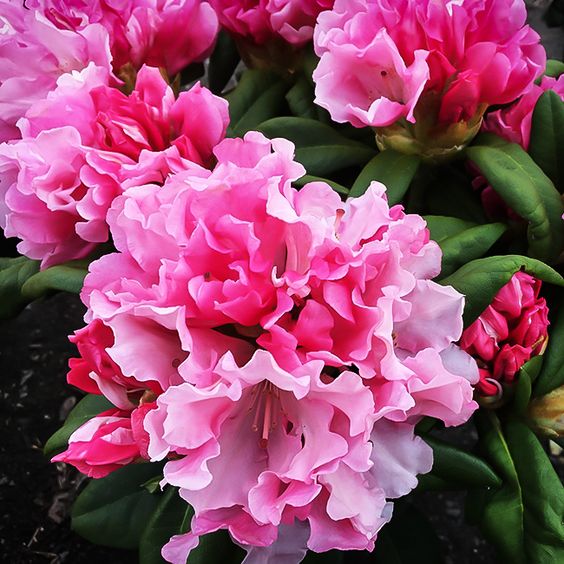
Always feed them in spring. Young rhododendrons are best fed only with mineral fertilisers, while older plants can be given farmyard manure. Do not be afraid of mulching either. Mulch reduces water evaporation from the soil and also cuts down on weeds. This saves you the work of pulling out nettles and dandelions. The best mulch is conifer bark and pine needles.
How often to water
In the plant’s first year, water it regularly. With older rhododendrons you do not need to be so careful. They are more drought-tolerant, but they still cannot survive a long dry spell.
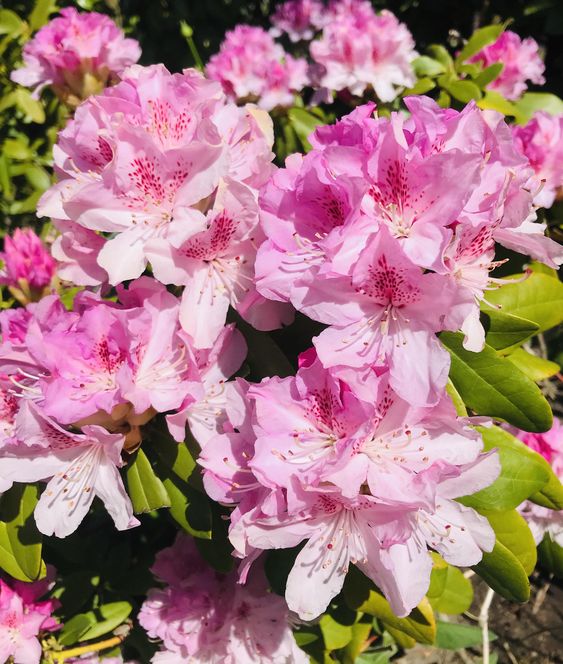
Once your rhododendron has finished flowering, remember to remove the seed heads, as they can weaken the plant.
How to propagate rhododendrons
You can propagate rhododendrons using a vegetative method called layering. All you need is a young shrub with flexible branches that reach the ground. Bend the chosen branch down to the ground and, where the shoot touches the soil, make a groove in the soil. Before you lay the branch in the groove, cut into the bark to encourage root growth. Then pin the branch down with a clip or peg.
What about pests?
When growing rhododendrons, you may also come across pests that try to ruin your efforts. While we humans are bothered by fruit flies, rhododendrons are harmed by the following:
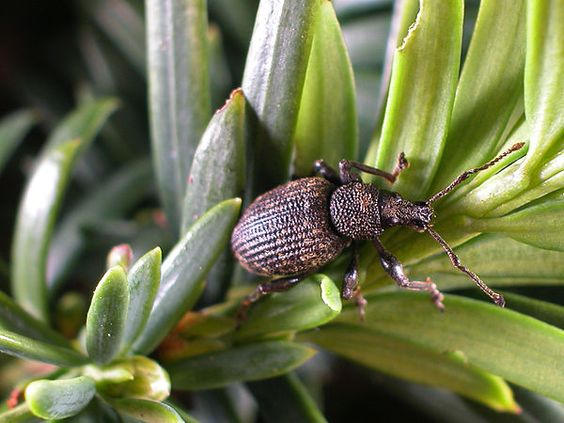
Black vine weevil
It is responsible for notches eaten into the edges of leaves. Its larvae, which develop in the soil, feed on the roots, which can cause rhododendrons to wilt. Unfortunately, the most effective way to get rid of them is chemical treatment.
Aphids
They like to damage leaves. They also produce honeydew, which attracts ants. They quickly become resistant to chemical sprays, so try a natural one instead.
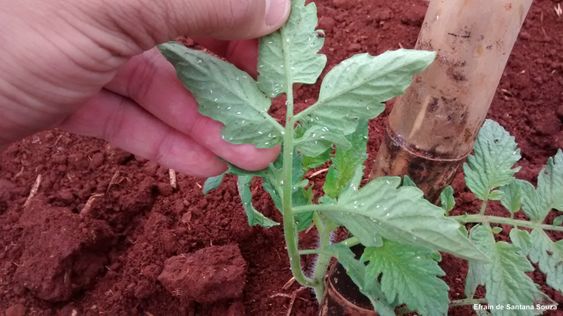
Bugs
These love to suck sap from the leaves, which can turn them brown. The bugs are quite small and flat, so spotting them can be tricky. Killing bugs is a nuisance and usually comes with a strong smell. Soapy water is the most effective method, but there are other natural and chemical pesticides too.
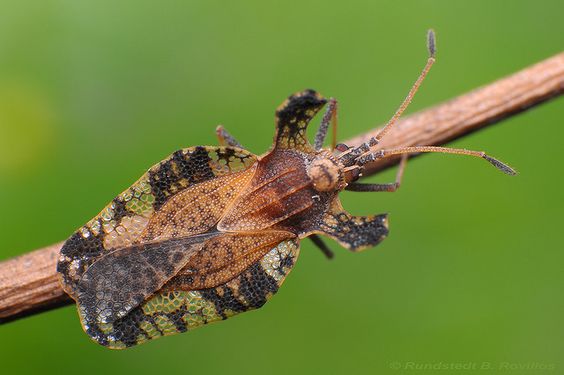
Leafhoppers
They spread fungi that turn buds brown in spring. The larvae live on the undersides of leaves and look like large mosquitoes.
More tips for growing rhododendrons
- Water plants well during dry spells
- Always snap off spent flower heads after flowering
- Use a fertiliser made specifically for them
Growing rhododendrons can sometimes be tricky, but it can be done. When you have finished reading, take a look at our other articles, such as how to choose the ideal pergola, where to put a thermostat or tips on protecting your computer.
Leave a Reply