
5 tips for choosing a heat pump
One of the most environmentally friendly ways of heating a home, whether old or new, is a heat pump. It uses freely available energy sources such as water, air or the ground. If you are wondering how to choose one that meets your needs, you are in the right place. Let’s go through the 5 factors you should consider.
1. Type of heat pump
When choosing, you should know at least the basic types of heat pumps. These clever devices make very good use of natural sources, from which they draw the heat they need almost for free. The individual types are:
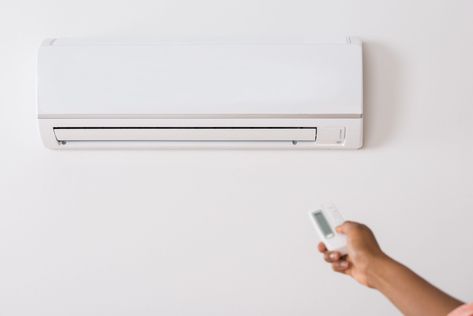
- Air-to-air: this is mainly air conditioning. The outdoor unit heats the air to the required temperature.
- Ground-to-water: this requires a borehole or a collector. However, the payback period on the investment is also longer.
- Water-to-water: here too you need boreholes or a collector. You mainly use water from a river, lake or pond. What matters, though, is the pH of the water, and it must be neither too hard nor too soft.
- Air-to-water: this is the most environmentally friendly option
2. Price
We are all certainly interested in the price, and then in the payback on such an investment. However, remember that monthly running costs can fall by up to a third. It is generally stated that a heat pump saves approximately 60 to 70% of costs compared with an electric boiler.
3. Choosing a supplier
There are three types of supplier on the Czech market.
- Importer: this is a company that contracts a manufacturer from abroad and simply delivers the box to the customer and installs it. Be CAREFUL about the warranty, as they may not care about it at all.
- Manufacturer: they have experience and buy in the know-how. They then bring in the components and assemble the heat pump or sell it on.
- Developer and manufacturer of heat pumps: they focus on development, but may buy in part of the technology and know-how. Nevertheless, they keep developing and install and service the pumps themselves. This means you do not have to rely on several companies, and you can be fairly sure there will be no problem with servicing.
4. Energy label
When you see 35 °C on the energy label, you might think it is a low-temperature heat pump. But that would be a mistake. This figure means that the heat pump was measured at these values, although it normally delivers an output of up to 57 °C, so in the end it is not a low-temperature pump.
We must not forget the output in kW either. Many people think this figure represents the output, but that is not the case. It is just the design rating of the unit. This value shows what heat loss of a house is suitable for the given heat pump. This means it is suitable for a house with a heat loss of 16 kW.

5. Where is a heat pump not suitable?
Investing in a heat pump is generally not worthwhile in uninsulated buildings, nor in family houses where water is heated by a heat source with an output temperature exceeding 70 °C. From an economic point of view, there is no point heating buildings that are not intended for year-round use with a heat pump. This applies, for example, to holiday cabins and country cottages.
An investment in a heat pump will soon pay for itself. It is just a matter of overcoming your fears and going for it.
Leave a Reply