
How does a heat pump work?
Today, a heat pump is not only a modern solution for heating and hot water but also a good way to save money. Do you think you have found the ideal way of heating your old house? This magic box, as it may seem to you, works with an efficiency of up to 350%. So how can it produce so much heat at such low cost? There is nothing complicated about it. The reasons are the laws of physics, scientific and technical progress and, above all, careful installation.
General advantages of heat pumps
So what are the biggest benefits of this type of heating?
- low maintenance
- effortless operation
- independence from coal
- low running costs
- environmental friendliness
- access to subsidies
- unobtrusive design
Types of heat pumps
It is a cleverly designed solution that takes heat from a colder environment and transfers it to a warmer heating system. This is how the whole property is heated. You can use them in various environments. So what types of heat pumps are there?
Air-to-air
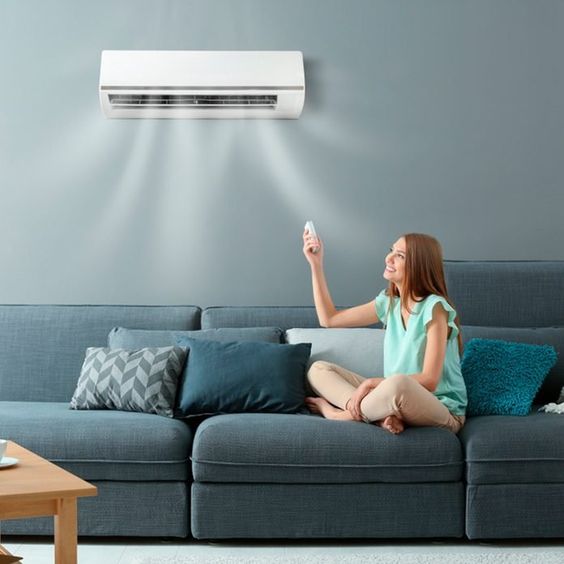
It takes heat from the air and warms the air in the room. Typical examples are standard air conditioning units.
Advantages:
- low purchase price
- easy installation
- works as air conditioning when run in reverse
Disadvantages:
- lower output
- noise
- better suited to holiday homes and cottages than family houses
Ground-to-water
They draw heat energy from the ground. This is why they are the most efficient and most economical heating system of all.
Advantages:
- long service life
- stable operation throughout the heating season
Disadvantages:
- more expensive to install
- require groundwork on the plot
Water-to-water
They take their energy from the most stable source, which is groundwater. As a result, unlike other types of heat pumps, they do not need a backup energy source to operate.
Advantages:
- high efficiency
- coefficient of performance
Disadvantages:
- complex installation
- expensive
Air-to-water
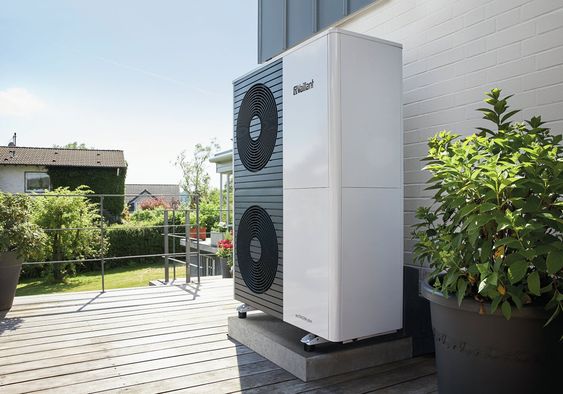
It draws heat energy from the surrounding air. This makes it the easiest route to economical and comfortable heating, hot water and cooling for homes.
Advantages:
- attractive and affordable price
- good output
Disadvantages:
- lower efficiency than ground-to-water pumps
- more noise
TIP: The most popular heat pump in the Czech Republic is the air-to-water type. This is because it strikes an excellent balance between output, price and a simple technical design.
How a heat pump works
As we have already mentioned, a special heat transfer medium circulates in a closed refrigerant circuit. As it circulates, it changes state and passes through four stages in turn: the evaporator, compressor, condenser and expansion valve. It first heats up as the compressor compresses it, then moves on to the heat exchanger, where it condenses into a liquid, and via the expansion valve it returns to the gaseous state it was in at the start of the cycle. The efficiency of the pump is shown by the coefficient of performance, which gives the ratio between the heat produced and the amount of energy consumed. For the pump to be truly cost-effective, the coefficient of performance needs to be as high as possible.
Where to install a heat pump?
If you find suitable conditions, you can install and run it anywhere. It is a big advantage if you own a large plot, as you can choose, for example, a ground-to-water heat pump with horizontal collectors. If you have little space, however, a ground-to-water pump with a deep borehole is an option. Do you have enough groundwater? Do not be afraid to go for a water-to-water heat pump.
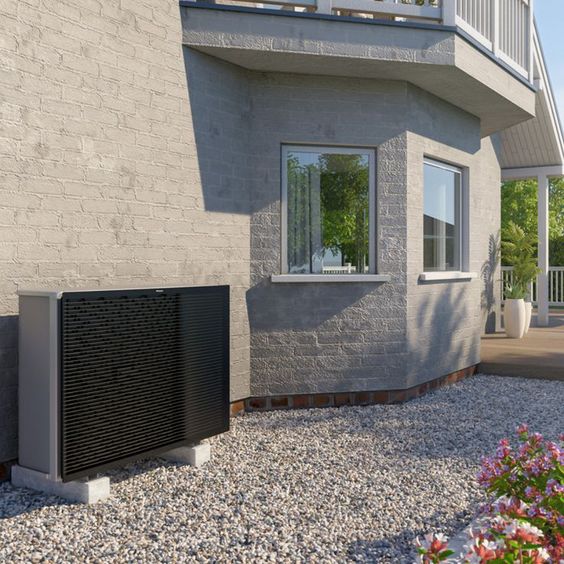
It is not just for heating family houses, as you can use one in flats too. And buying a heat pump is cheaper than, say, buying the most expensive painting in the world.
Leave a Reply