
What is a virtual battery and how does it work?
Photovoltaics is an increasingly popular choice among renewable sources. But it has a small problem. Solar panels on the roof produce the most electricity during the day. So if we imagine being at work all day and then coming home in the evening to a cold house because there is not enough energy, that is quite a big snag. And in winter it can be even worse! The good news is that you can rely on virtual batteries. So what exactly are they?
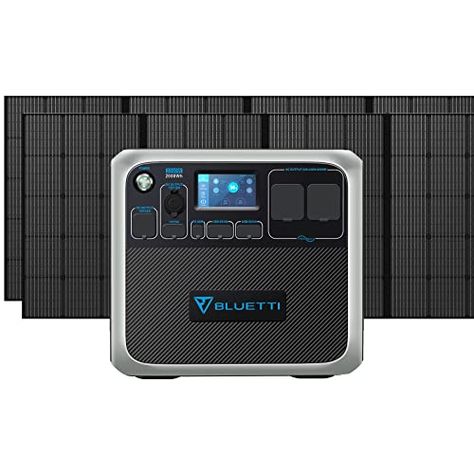
What is a virtual battery?
A virtual battery works in exactly the same way as a solar battery. It also lets you store surplus electricity for “other times”. The difference is that it does not store the energy in a battery standing by your house, but in the distribution grid. Your supplier takes over your surplus energy and stores it virtually. Then, when you need it, for example in winter or at night, you simply draw it back.
But nothing is black and white. Your supplier cannot just store your energy in the grid, so it finds another customer for it instead. It has not forgotten about you, though: as soon as you need the energy, it has to source and buy it for you. Unfortunately, all of this costs something, and who pays for it? You guessed it: YOU!
You will pay for the virtual battery, distribution costs, fees and taxes
Storing energy from a solar power plant
As we have already mentioned, a solar power plant produces no energy in the evening or at night, even though you need it. Likewise, on rainy days and in the winter months, the plant generates so little energy that there is no chance of covering your needs. In spring and summer, when there is plenty of sun, it produces more electricity than you can use, so it pays to store the surplus and use it when the sun is not shining.
How much will you pay for a virtual battery?
The total price of your virtual battery is affected by a whole range of factors, including distribution costs, taxes and fees. And even though the electricity you sent to the grid is free when you draw it back, you have to pay all the related costs.
We must not forget the fee for the service itself, which varies widely between distributors. For example, ČEZ charges a flat 199 CZK (about 9.2 USD). With E.ON, you pay roughly 49 CZK depending on the megawatt hours used per year.
There is no clear-cut answer
Unfortunately, it is impossible to say whether a virtual battery will pay off for you. It depends on current energy prices. A few years ago, it did not pay for owners of solar panels to store the electricity they produced in virtual batteries. That changed two years ago, when energy prices skyrocketed. Distribution costs and fees suddenly became negligible compared with the price of the electricity itself. And so virtual batteries started to pay off for owners too.
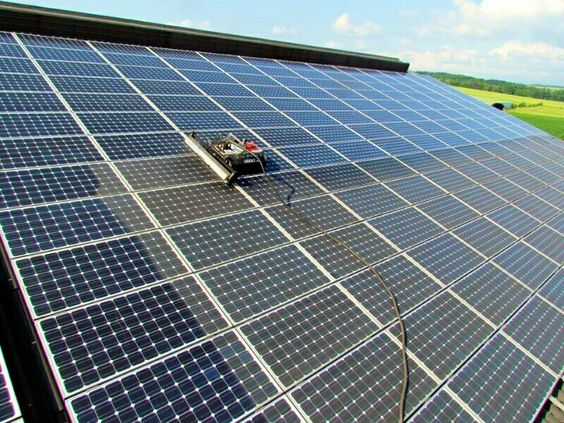
Which is better?
The question is whether to choose a virtual or a solar battery. The advantage of a virtual battery is that, unlike a solar battery, it has no limits. Another advantage is its relatively low cost. So if you have a really large surplus, a virtual battery may be the better choice for you.
On the other hand, a solar battery has the advantage of being able to back up energy in case of power cuts. A virtual battery cannot do that yet. Another argument against a virtual battery is a certain loss of independence. In our view, self-sufficiency and independence from distributors is one of the main reasons for getting a solar power plant in the first place. But if you send your surplus to the grid instead of using it or storing it in your own solar battery, you become dependent on how the supplier sets the prices and terms for using the virtual battery.

Solar power is not always a relaxing affair, but if you are careful and do your sums properly, over time you may even be able to afford to improve your home with a nautical style.
USD amounts are approximate, converted at the Czech National Bank rate of 21.75 CZK per USD on 9 October 2026.
Leave a Reply