
What is photovoltaics and how does it work?
If you are interested in renewable energy sources, today’s article will certainly appeal to you. One option is photovoltaics, which is very popular nowadays. So how does this conversion into electricity actually work? Very simply: photons from sunlight strike the solar cells and their energy releases electrons, which create an electrical voltage. When the circuit is closed, this is converted into an electric current. Perhaps the only problem is money, so the question is how to attract it.
Ideally, place photovoltaic panels on the south side.
Photovoltaic efficiency
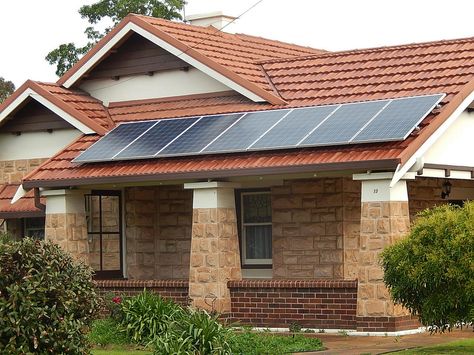
If you have decided to put photovoltaic panels on the roof of your house, you can expect them to convert up to 20% of solar energy into electricity. That is certainly not bad, is it? But the optimal placement of the panels is very important. Remember that they should face south, south-west or south-east to absorb as much sunlight as possible during the day. The panel angle also matters. A pitched roof with a 35° slope is said to be the best position, otherwise you may not get the same results.
Types of photovoltaic systems
There are three types of photovoltaic power plants:
- grid-connected system
- off-grid system
- hybrid system
Grid-connected photovoltaics is a type of solar power plant that feeds all the energy it produces into the distribution grid, from which you can buy electricity back when needed. The catch is that this type of installation is no longer worthwhile today, because electricity feed-in prices have fallen to a minimum. It also does not solve the problem of power cuts.
Off-grid photovoltaics is essentially a small power plant that is not connected to the distribution grid. The household uses the electricity it produces straight away and stores any surplus in batteries, drawing on it when the sun is not shining. In Czech conditions, this type of system is usually insufficient in winter, so you need to add a backup generator.
Hybrid photovoltaics is the most popular solution for a photovoltaic power plant. The household uses its own electricity and stores the surplus in batteries, but it is also connected to the distribution grid in case there is not enough electricity. A hybrid system gives your household partial self-sufficiency. In a blackout, you can also draw electricity from your own batteries.
Lifespan of photovoltaic systems
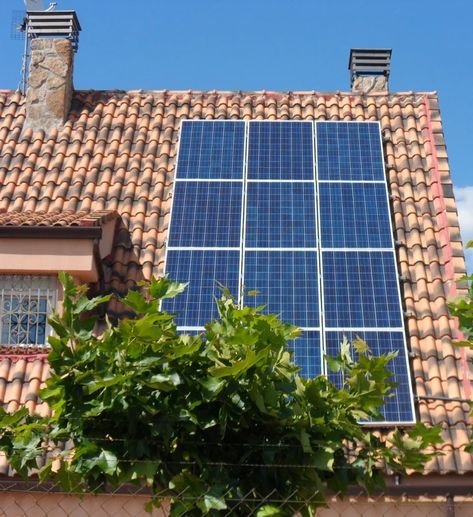
A huge advantage of photovoltaics is the long lifespan of solar panels and effortless operation with no need for maintenance (unless they are installed horizontally, the panels are self-cleaning), so you get an ideal energy system for your home, which is an excellent investment for the future. With today’s ever-rising electricity prices, do not hesitate to take advantage of a state subsidy as well. You can expect a payback period of around 5 years.
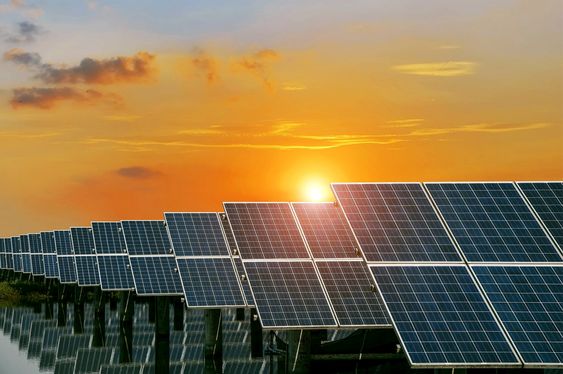
This represents a return of 10 to 25% a year, making photovoltaics an even more attractive investment than shares, bonds or property. Nothing then stands in the way of an energy self-sufficient home.
Leave a Reply