
Retro interior style and the era it most often refers to
In recent years, retro style has become a huge phenomenon, and plenty of people want to try it. But what is the difference between retro style and vintage style? And what should your home definitely not be without?
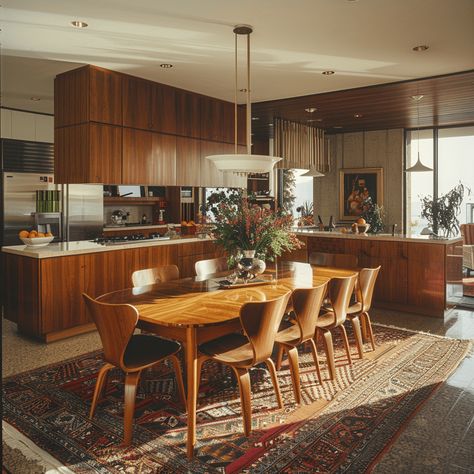
What is retro and what is vintage?
An important question right at the start: what is actually the difference between retro and vintage? Retro means something from the past or something that no longer exists. Furniture and styles described this way are at least 20 years old. Most often, though, the term retro refers to the historical period from the 1960s to the 1980s. Retro items are things that have only just been made.
Vintage, on the other hand, refers to vintage pieces that actually come from those years. If you want to bring the atmosphere of our grandmothers’ days into your flat, you can either choose retro furniture that has just come off the production line and merely recalls the 1950s and 1980s, or a vintage piece that genuinely dates from that time.
What defines a retro interior
Besides classic wood, traditional materials include brass, cast iron and the synthetic materials that were new at the time, such as Formica-style laminate, vinyl and chrome.
What else is typical of this style?
- Materials such as plastic, melamine board, Formica-style laminate, plywood and faux leather
- Pastel colours
- Bold geometric and floral patterns
- Rounded, elegant furniture shapes
- Furniture on tapered legs
- Open shelving systems
- Low coffee tables and armchairs
Quality matters most
Furnishing your home in retro style doesn’t mean filling the house with a pile of things you found next to the bins. When furnishing, think about where each piece will go. Choose only good-quality pieces that will serve you for years to come.
Our TIP! Have a look around second-hand shops and junk shops. You might come across a gem that becomes the centrepiece of your interior.
The best accessories
And how can you bring this style to life with accessories, for example? Get out your black-and-white photographs, and hang pictures from times gone by or tin signs with witty slogans on the wall. If you have old cuckoo clocks, don’t forget about them either. There is so much inspiration and so many options.
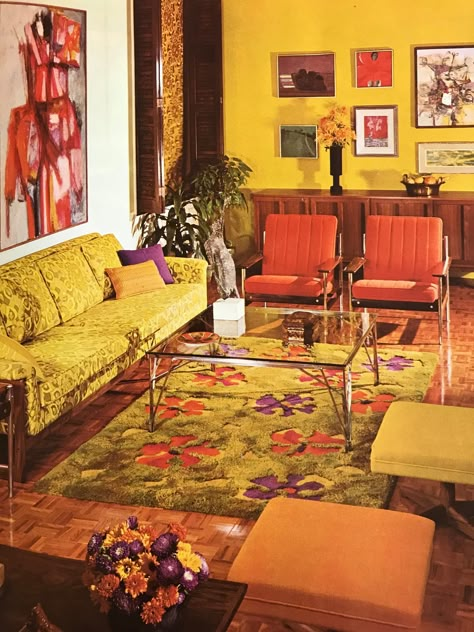
Pastel colours take centre stage
Retro style is typified by rich, bold and pastel colours that can be combined with each other and with neutral shades. Which colours are tried and tested?
- Light or dark grey
- Mustard yellow, which also works well in Portuguese-style interiors!
- Olive green
- Blue
- Bright red
- Burgundy
- Sky blue
- Creamy pink
- Lemon yellow
- Deep charcoal
Parquet or carpet? Why not both!
Solid wooden floorboards, or at least parquet or parquet strips, look superb in a retro interior. Today you can also buy wooden floor coverings that look as if people have been walking on them for years. If you get your hands on a genuine Persian rug or another quality piece at a flea market, don’t hesitate for a moment and place it under your coffee table, for example.
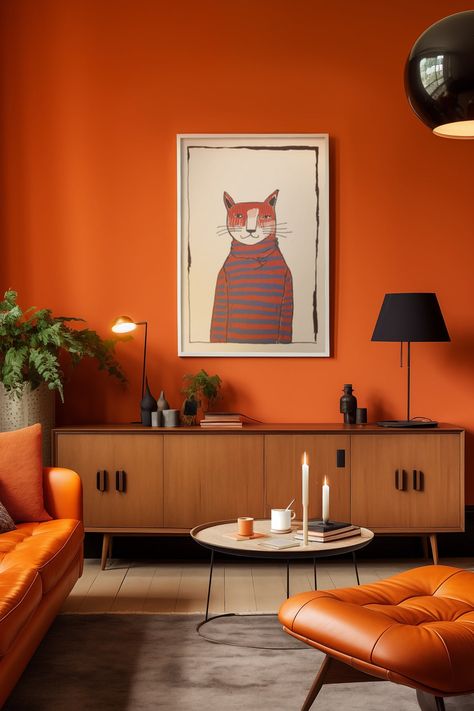
Textile decorations
Vintage style is beautifully finished off with decorations such as throws, tablecloths, cushions and rugs, and curtains and pretty net curtains are also an interesting feature. Take care when choosing and combining these smaller details too, and you will see that a perfect result won’t be long in coming. Choose colours, patterns and motifs that go well together.
And which pieces should your home not be without?
- a retro sofa set on wooden legs
- comfortable armchairs with a solid wood frame and square cushions
- open shelving units
- a dish-shaped ceiling light
- houseplants
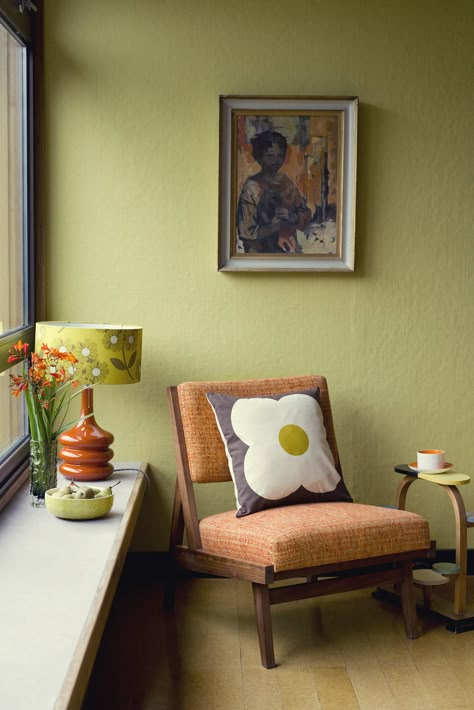
When furnishing your home, be sure to trust your own judgement. What matters is that you feel as comfortable as possible in it.
Leave a Reply