
How to process and store home-grown chilli peppers
Home preserving never really ends. You can preserve anything, whether it is beetroot or grapes. There are many ways to keep home-grown chilli peppers at their best. Admittedly, not everyone likes them. They are hot and not every stomach can handle them. Their big advantage is that they can warm you up in winter and rid us of all illnesses, including parasites.
Eating a chilli pepper on its own can be a superhuman task.
The basic rule for almost all vegetables is to harvest ripe fruit, as it contains the most aromatic essential oils and other beneficial substances. So what are the other ways to preserve them?
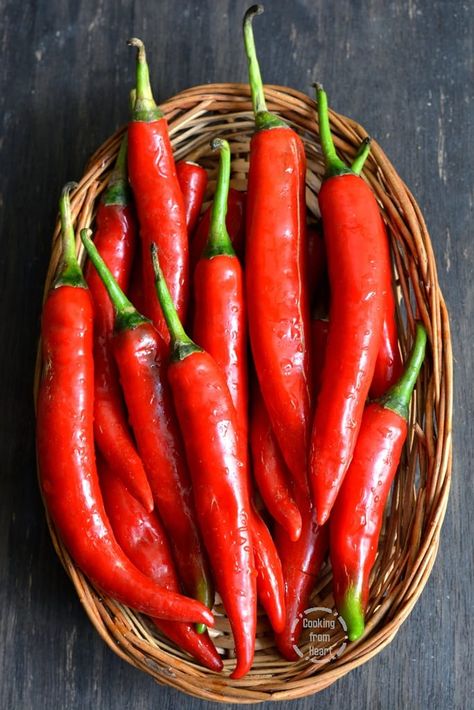
Drying, drying and more drying
This is the easiest way to preserve home-grown chilli peppers. What does it involve? Cut the peppers in half and lay them on a paper towel. Choose a sunny spot in your house or flat and leave them there to dry. After about a week you should have lovely dry peppers that you can process further. Do not forget to remove the seeds after drying. They have no flavour and, given their bitter compounds, they could seriously spoil the taste.
Our tip
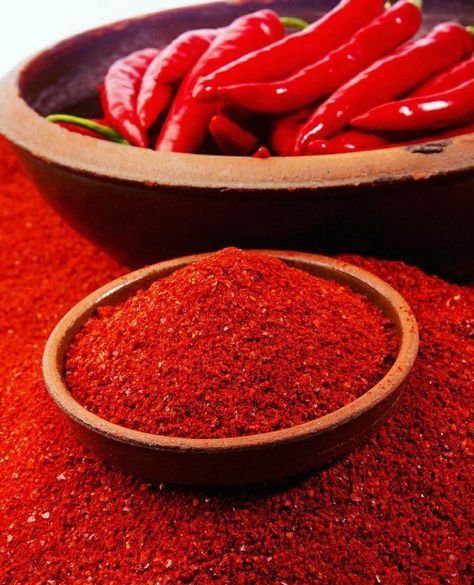
Do you like chilli peppers as a fine spice? Nothing could be easier than crushing them into flakes with a pestle and mortar, or using a really fine coffee grinder. Just be prepared to clean it thoroughly afterwards, but the result is worth it.
Freeze your chilli peppers
Another option you can use for chilli peppers is freezing. Cut the cleaned peppers in half and remove the stalks and seeds. Then put them in a bag or container and place it in the freezer. The small drawback is that freezing breaks down the cell structure of the pods, so after thawing they turn mushy. When you want to use the chilli, it is better to chop the peppers while they are still frozen and add them to the dish straight away. These, or even fresh peppers, can also serve as the base for a pure pepper purée that you can then use however you like.
Pickling in brine
Unlike the methods above, this step means the chilli can no longer be used in every possible way afterwards. However, it gives you a product in its own right, which does not have to serve as an ingredient but as a ready-to-eat treat.
What about green peppers?
When growing chillies, some of the peppers may simply not ripen. What can you do with them? Certainly do not throw them away, that would be a waste. You can make some of them into a paste or add them to a mixed vegetable pickle. There are plenty of ideas.
Our TIPS for further processing
Recipe for chilli peppers in honey brine
A sweet honey brine gives hot peppers just the right flavour. However, we will not sterilise the pickled peppers so as not to spoil the honey, so it is best to keep them in the fridge or in a cool place. There is nothing to lose by trying, so do make a few jars.
1 kg chilli peppers (goat’s horn and ram’s horn peppers, jalapeños, long hot peppers), 500 ml water, 500 ml spirit vinegar, 500 ml honey
Method:
Slice the peppers into rings. In a saucepan, mix the water and vinegar and dissolve the honey in it over gentle heat. Be careful not to exceed 70°C, the temperature at which honey starts to lose its quality. Then simply pour the brine over the peppers packed in jars, close them tightly, leave to cool and store in the fridge or somewhere cool.
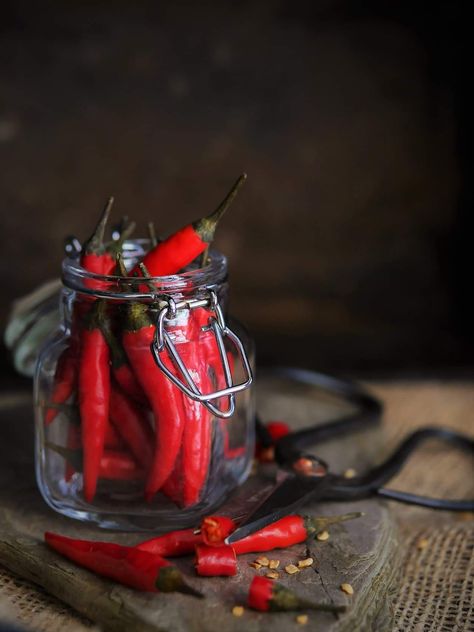
Chilli sauce
For this recipe, use hotter peppers such as habanero. But do not be afraid to use other varieties or a mix of chilli peppers.
300 g hot chilli peppers, 2 large garlic cloves, 2 tablespoons cane sugar, 60 ml apple cider vinegar, 2 teaspoons sea salt
Method:
Remove the stalks from the chilli peppers, cut them in half and blend briefly. Add the remaining ingredients and blend briefly again. Transfer the mixture to a jar, cover it loosely with a lid or a piece of cloth and leave it to ferment at room temperature for 7 days. The sauce will start to ferment within a few days, which you will recognise by the escaping bubbles. The bubbles may make the sauce increase in volume, so do not fill the jar to the brim. Fermentation also ensures a long shelf life. After a week, blend the contents of the jar one last time until smooth. Transfer the sauce to a container with a dispenser and store it in the fridge, where the fermentation process will stop.
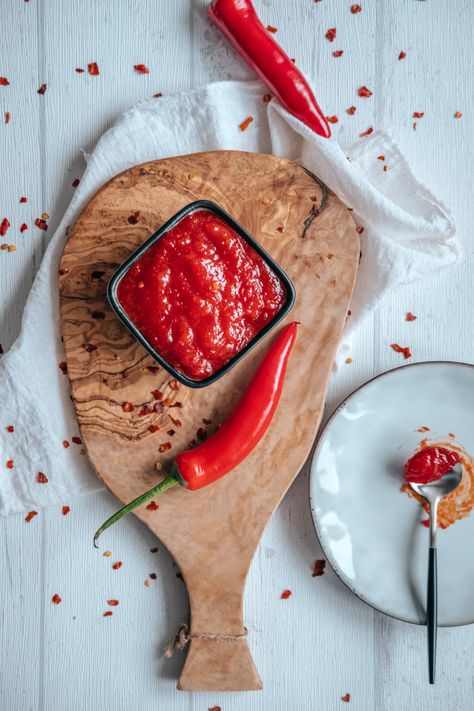
You can combine chilli peppers with any vegetable. Just always make sure that no one around you is allergic to them.
Leave a Reply