
How to choose and combine vegetables in the garden
Are you sure you are combining your vegetables and other plants in the garden correctly? Some crops, herbs and flowers simply do not get along. That is why it is always better to look for plants that will support the others and perhaps even improve their yield.
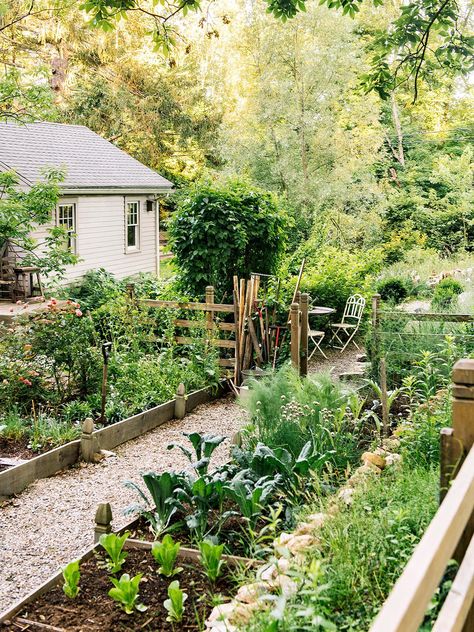
Focus on the right planting
First, it is important to decide whether you will grow your vegetables in rows or in blocks. If you prefer growing in rows, you have chosen the simplest option. Your plants will simply alternate row by row, and that is all! With block planting, on the other hand, the crops alternate row by row and are combined with each other. Remember that the distance between the bed and nearby trees or shrubs is also very important, as they too affect the harvest. Nor should we forget combinations of suitable conifers.
Before you start planting, find out, for example:
- Root length: how deep the plants root. You will find this information on the seed packet. In the bed, alternate shallow-rooting and deep-rooting plants, row by row. Their roots will then take up nutrients from a different layer than their neighbours.
- Plant height above ground: alternate tall plants with low ones, so they make better use of the available sunlight.
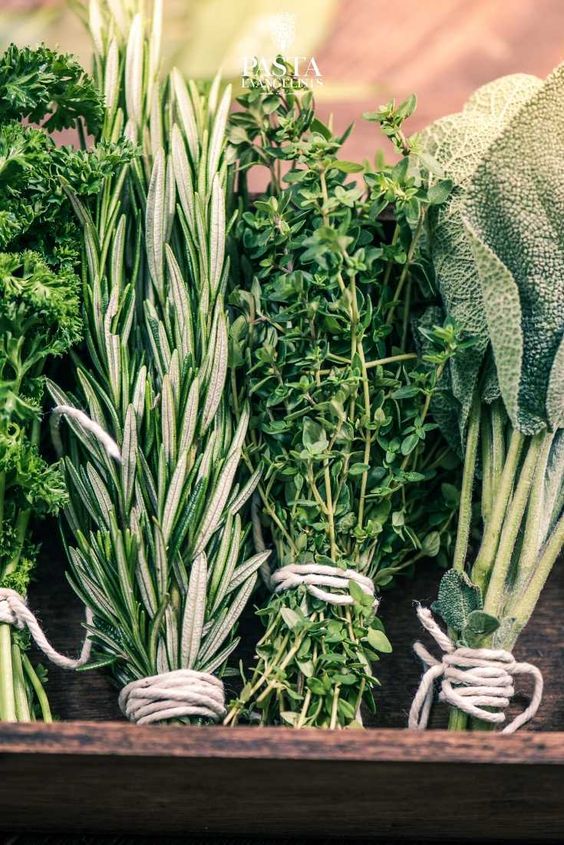
Which plants do not thrive next to each other
There are plant species that will do your bed more harm than good. To avoid problems and disappointment, stick to these two rules:
- Never keep planting plants from the same family and genus in the same soil. This applies especially to tomatoes and cucumbers. If you plant them in the same spot as the previous ones, expect a smaller harvest.
- Also avoid plants that do not tolerate each other. Be careful with garlic.
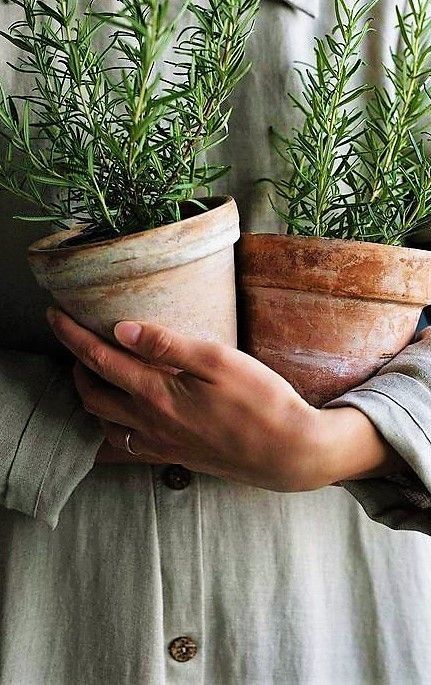
Which combinations work well?
Plant side by side those plants that protect each other and are also beneficial.
Garlic: it boosts people’s immunity, but it can also support the healthy growth of the plants around it. It protects them from moulds. Lettuces, carrots, tomatoes, cucumbers, strawberries and even fruit trees love it.
Celeriac: it can protect brassicas from cabbage white caterpillars, cabbage root fly and flea beetles.
Leeks: carrots welcome them as neighbours, because leeks can protect them from carrot fly.
Dill: it grows wonderfully in gardens and will happily live in symbiosis with beetroot, cucumbers and brassicas, as it speeds up their germination.
Pot marigold: it protects beds with potatoes, garlic or strawberries from soil nematodes and other harmful nematodes.
Chervil, marjoram, basil: they have a strong scent that ants, slugs, aphids and powdery mildew dislike. Ideally, sow them between lettuces.
Peppermint: if you are unsure where to put this herb, which can spread magnificently and fills the air with its menthol scent, try planting it in a bed with potatoes. It will support their healthy growth and also protect them from mould, flea beetles and cabbage whites. The Colorado potato beetle, in turn, is repelled by horseradish or dead-nettle.
A garden can bring not only joy and beauty, but also improve the quality of our diet.
But it is not just about rules. A garden is about trying things out and making your own observations. Do not shy away from that either. It is a game, it is fun, it is a joy. After all, it should not be a chore, but a place that lifts the spirit and the mind.
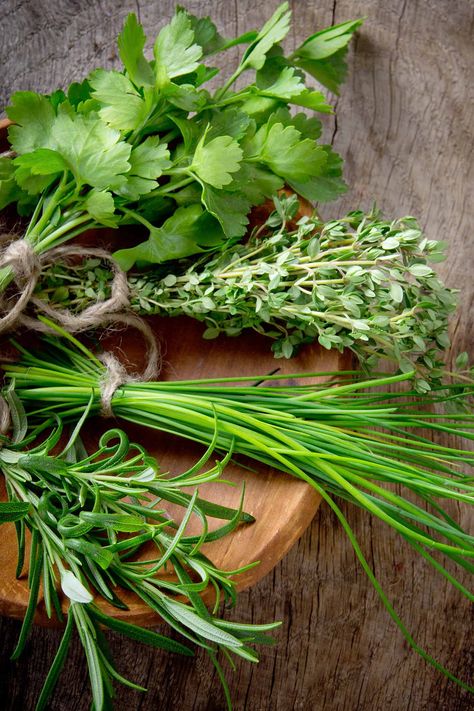
And it is up to each of us to decide what lifts us. Perhaps one day you will write an ebook that everyone will read.
Leave a Reply