
Tips for planting and growing annuals
Flowers will make your balcony, terrace or garden full of colour and scent. You can sow and grow annuals from April. Or you can buy young plants, but you need to look after them properly if you want them to flower. Read our article to find out how to grow annuals as well as possible.
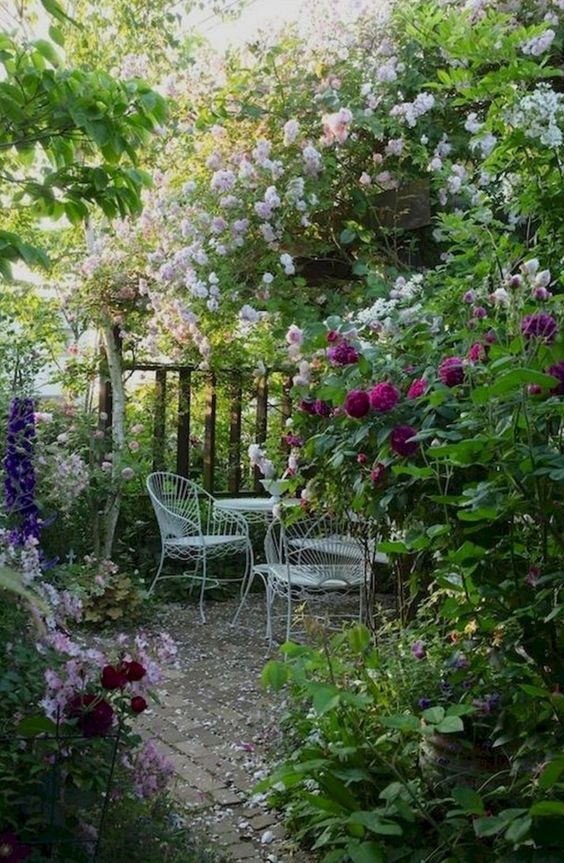
How to grow a garden full of flowers
Experienced gardeners divide annuals into three groups:
- Annuals started early: some species germinate more slowly than others, so gardeners sow them as early as January in a heated greenhouse. Our article explains how best to arrange a greenhouse. Here you can sow plants such as petunias, begonias, lobelias and verbenas. It takes some work, partly because of pricking out and potting on, but the result is worth it, so why not give it a try?
- Sown in a cold frame: this is the largest group, and you can sow these in a cold frame from March. Make sure the annuals are spaced close together, otherwise they would grow leggy or flop over. Among the earliest species to sow are zinnias, marigolds, snapdragons and dahlias.
- Sown directly in beds: these species germinate very quickly and are among growers’ favourites because they are less demanding to grow. Traditional examples are nigella, cosmos, pot marigolds and ornamental beans.
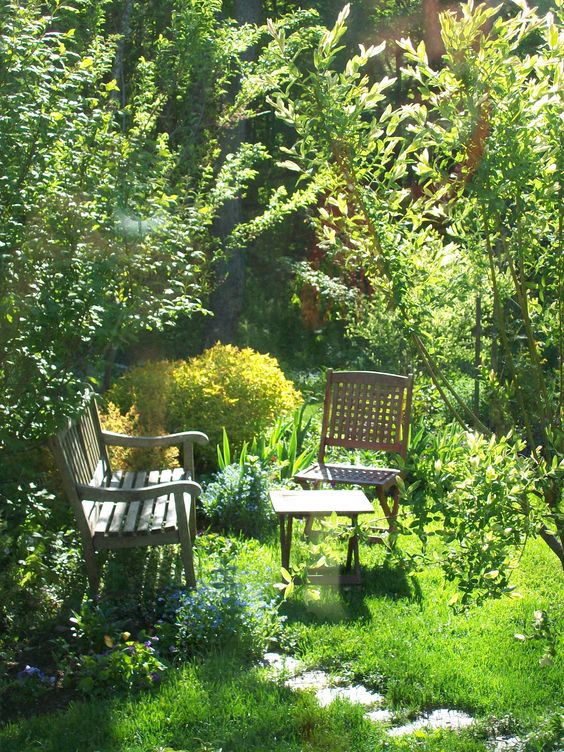
Annuals by height
Plant height is important for a perfectly arranged garden bed. Remember that tall flowers go at the back, because they do not cover the soil. Which flowers does this apply to most?
- Low, up to 30 centimetres: gazania, ageratum, purslane, ice plant
- Medium, up to 40 centimetres: nemesia, marigold, salvia, Cape marigold, everlasting daisy, verbena, pot marigold
- Tall, over 50 centimetres: snapdragon, China aster, cosmos, sunflower, gaillardia, ornamental tobacco
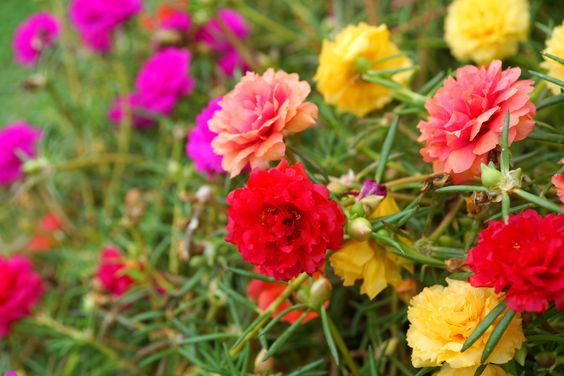
By how demanding they are
Do you feel up to more demanding annuals? If so, decide whether to plant them in smaller areas, which more delicate types appreciate, or to give the hardy ones more space.
- Very hardy annuals self-seed where they grow and can last until the following year, for example marigold, snapdragon, cosmos, pot marigold and mallow
- More delicate ones, which cover the soil poorly and can even be damaged by rain, include Cape marigold, monkey flower, gazania and China aster
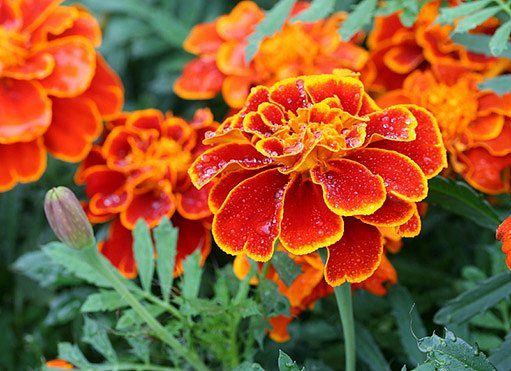
By colour
Growing annuals for their colours is perhaps the loveliest thing you can do. You will look forward to your flowering garden even more. Simply put, you have to like your annuals. The shades and species also matter a lot. Go for contrasts, because soft shades do not stand out much next to each other and you will soon get bored of them. So follow our additional tips below:
- Do not put purple next to blue. Red, white or yellow work better.
- Try adding pink to orange, white and deep blue.
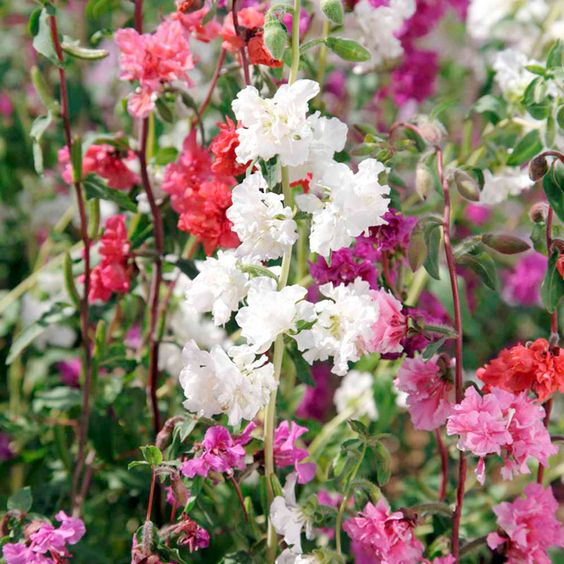
Sowing annuals
To sow annuals, you need a trough, tray or other container. Along with the seeds, buy a suitable compost to fill the troughs. Once you have firmed and watered the compost, sow the seeds. Then gently press the seeds down and cover them with a thin layer of compost. A sheet of glass or film over the top creates a suitable microclimate and speeds up germination. The temperature in your small greenhouse or polytunnel should be around 20 to 25 degrees. Remember to check the seeds regularly so they do not dry out.
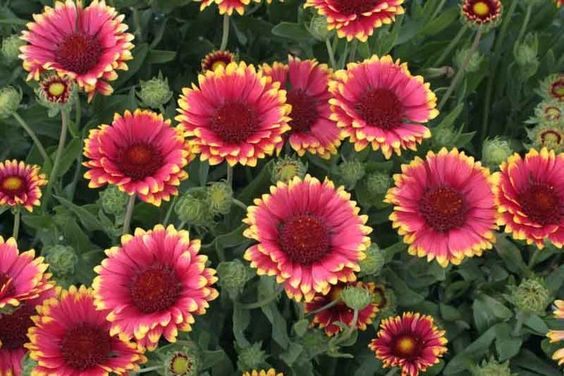
First shoots
Once your seedlings have grown a little, remove the cover, as it could otherwise hold back their growth. Lift the seedlings and replant them about three centimetres apart. Stronger ones can go into peat pots, which you can then plant straight into the bed.
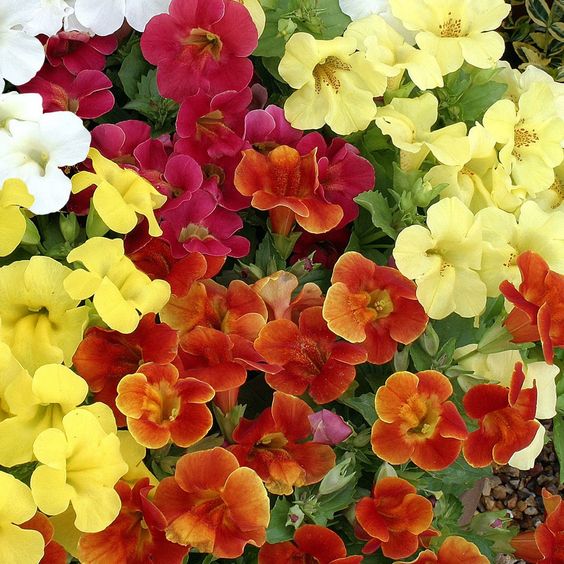
The best and most beautiful annuals
It is impossible to list all annuals, so choose them according to your own taste and preferences. Lovely ones include:
- asters
- snapdragons
- stocks
- sunflowers
- or monkey flowers
Also keep in mind how often you will water them or look after them in the garden, so they do not suffer while you are away. Feed them regularly while they grow and check for unwanted visitors.
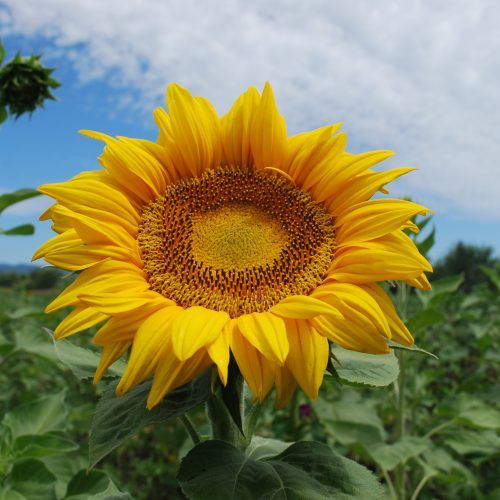
Annuals for beginners
Some annuals just need planting and then grow almost by themselves. But which plants should you choose if you are not the most experienced gardener? Our selection might inspire you:
- African marigolds : plant them straight away. They flower in yellow, orange, mahogany and even striped. They do not even need feeding, just remember to cut off faded flowers. Deadheading stops them growing leggy and makes them flower even more.
- Sunflowers : put them in a sunny spot. Do not worry that you will not manage to grow them, they really are undemanding plants. To start with, it is better to choose shorter varieties, because taller ones need tying to a stake.
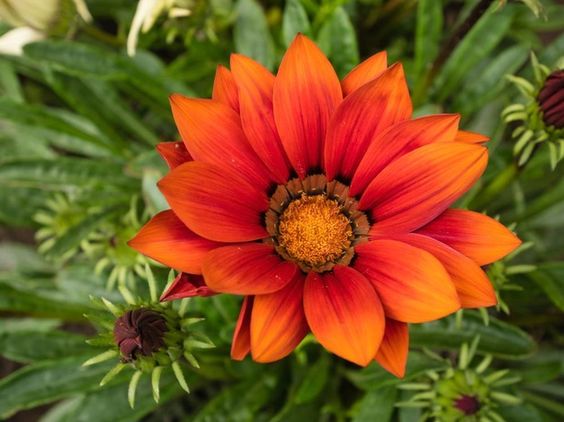
- Gazania: it loves the sun, so feel free to plant it in a rockery or a trough. It can be sulky at times and will not open its flowers in cloudy weather. Its leaves store water for harder times, so nothing will happen if you forget about it now and then.
Growing annuals is not rocket science. Do not be afraid of it, and you will enjoy both a flowering terrace and a flowering garden.
If you are thinking about growing other plants, take a look at our articles on growing herbs on a balcony or the best herbs for the garden. And have a look at healthy red lentils too.
Leave a Reply