
How to grow and prune currants for the best results
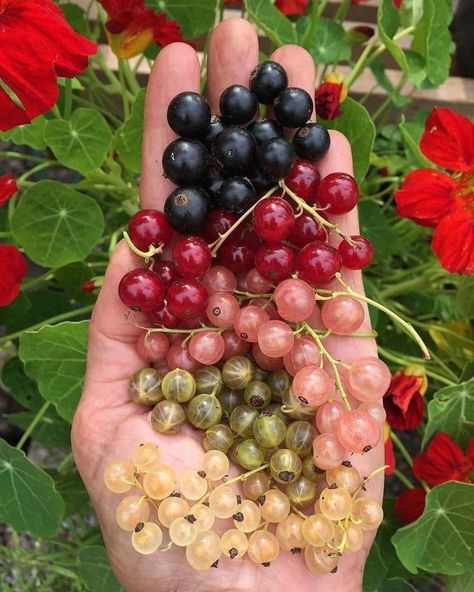
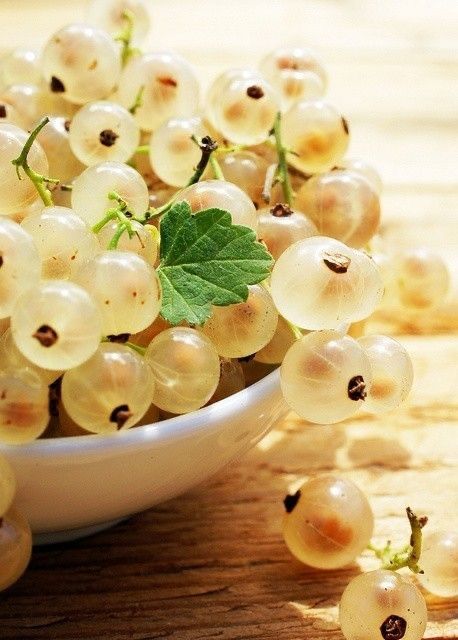
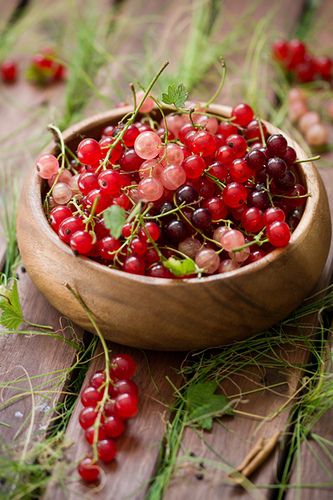
Currants are definitely among the least demanding types of soft fruit. Their big advantage is that they can be very resistant to frost and are not fussy about soil quality. This means you need not worry about planting them even at higher altitudes. Do you have a bungalow on a slope? Do not hesitate to plant currants on uneven ground too. Their delicious little berries in red, yellow or black are an essential part of any summer cake or jam. But truly wonderful is currant syrup, which absolutely anyone can make. Then again, pick them for their rich vitamin C content too.
Prune, prune and prune again
It is definitely a good idea to prune them at the start of spring. The same applies to hazel trees. It does not matter whether you grow blackcurrants or redcurrants in your garden, it is important to rejuvenate them a little and so help them along. This will ensure you a rich harvest. Nowadays it is popular to grow them not only in the garden. You may have noticed that many flat terraces have them growing. They also suit stylish designer pots for snacking straight from the bush.
The standard (tree) form usually lasts a little less, so it needs regular pruning to stay in the best condition. You can then enjoy its fruit for 10 to 12 years. After pruning, do not forget to check that your standard currant has adequate support. A wooden stake is enough, to which you gently tie the little tree with string.
Pruning currants should be one of the first gardening jobs of the new year. The ideal time for pruning is the turn of February and March.
If you grow currants at higher altitudes, you can wait until the end of March. However, the bush must always be pruned before it starts to bud.
Spring pruning of currants
Always cut out damaged or frost-bitten branches first. Then focus on the bush’s age. In the first three years, concentrate on the number of shoots and always leave roughly four new branches. In its fourth year, your bush will then boast around 12 shoots. Shorten the branches as you prune to keep the bush in an attractive shape. From the fourth year on, simply replace the existing shoots. Each year, cut out the 4 oldest branches and leave 4 newly sprouted ones on the bush.
If you grow a standard currant bush, also pay attention to the crown becoming too dense. Gradually cut away shoots on the framework of the tree, especially those growing into the crown. Let the branches of the crown grow freely outwards so that it gradually gets bigger. Anyone can manage spring pruning of currants. But do not put this step off, so that you can enjoy a rich harvest of tasty berries in summer.
The ideal planting time? Autumn
The autumn months are good not only for pruning trees but also for planting currants. Red and white currants, for example, do best in humus-rich, fertile, moister soils with a slightly acidic reaction. Blackcurrants can give you some trouble. They prefer lighter soil and will even tolerate soil with more lime. Remember to soak the roots of the tree or bush in a bucket of water for at least a few hours before planting.
Currants are shallow-rooted, so plant them about 10 cm deeper than they were growing before. It is also a good idea to mulch around the bushes and standards to prevent weeds and avoid damaging the roots when removing them.
How to fertilise?
Currants need plenty of humus in the soil (especially black varieties). When fertilising currants, we use organic fertilisers such as compost (about 2 kg per mature bush, which must first be mixed into the soil). If we grow currants in heavier soil, we fertilise mainly in autumn, whereas in lighter soils we fertilise in spring. We also make sure there is a sufficient supply of potassium and phosphorus.
Diseases and pests
A common disease is currant leaf spot (anthracnose), which shows as small spots on the leaves. These then turn yellow, die and fall off. And how do you get rid of it? Before flowering, treat the bush with a fungicide such as Dithane DG Neotec. If the buds on your currants turn brown and drop in spring, the plant has probably been attacked by blackcurrant gall mite (big bud mite). We recommend cutting the affected branches back just below the infested bud. Aphid attacks are also common, but a homemade spray should help.
Source: foodgardenlife.com
Leave a Reply