
7 tips for a homemade aphid spray
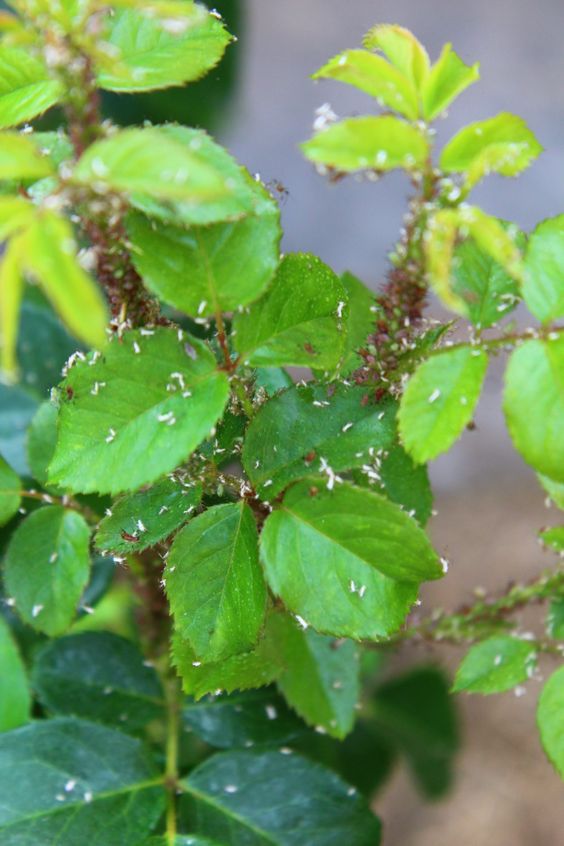
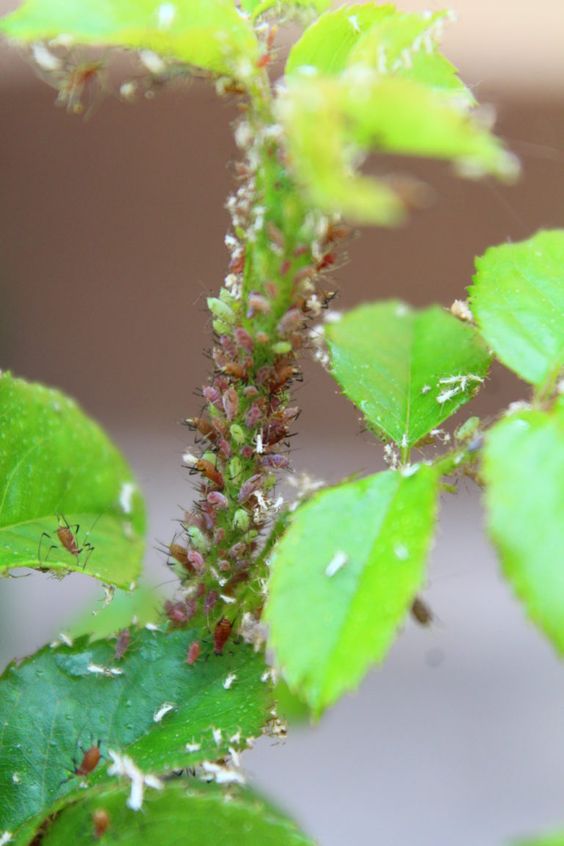
If you have a garden, balcony or terrace, you have probably come across small insects that damage it. Indoors you will most often get fruit flies, but outdoors you should be ready for other pests, such as aphids. They particularly love roses, vegetables and geraniums, but you can find them anywhere else too. They feed very quickly and, unfortunately, by the time you notice them it is often too late. So which aphid spray is the right one?
1. Soapy water
Think of this as first aid. Take a bucket and fill it with water and a few tablespoons of liquid soap. Pour the solution into a spray bottle, but do not spray it directly onto the plant. Instead, put a little of the water on a washing-up sponge and use it to wipe the aphids off each plant.
2. Neem oil
This is a completely pure, organic oil. It also works as a spray against aphids, worms, larvae and other pests, and even fungi. So how do you make it? Mix a teaspoon of neem oil with 1/3 tablespoon of soapy water and five cups of clean water. Once the spray is ready, leave it to stand until the morning. It should only be applied in the morning, while it is still cool. The advantage is that it has no side effects, so it will not harm other insects.
3. Vinegar
Castile soap is a versatile and excellent liquid soap. It must be purely natural and plant-based, made with olive and mineral oils. Combined with vinegar and water, it makes an incredibly effective weapon against aphids. All you need is a tablespoon each of white vinegar and olive oil and 3.8 litres of water. Again, use a spray bottle to apply it.
4. Garlic oil
Garlic is toxic to most insects because of the sulphur it contains. Unfortunately, that includes ladybirds. So only use garlic oil as an aphid spray if there are no other insects in your garden or on your terrace. To make it, you need a few cloves of garlic, a teaspoon of olive oil, half a litre of water and a teaspoon of Jar or another washing-up liquid. Leave it to stand for 24 hours. Then you can start getting rid of the pests again
5. Milk
It may seem an unusual and also the most expensive aphid spray, but you may well be pleased with milk. Try spraying your plants with semi-skimmed milk mixed with water in a 1:1 ratio. Check the result the next day (which also applies to the other sprays), then rinse the plant with clean water and you will see for yourself what state it is in after that particular spray.
6. Coffee
There are plenty of plants that could help you. Let us start with coffee grounds. Simply sprinkle them into the plant’s pot and you should get rid of the unwelcome critters. If you grow rhubarb, use a decoction of it, as this is also effective at getting rid of them. Strain the solution and pour it into a sprayer without diluting it. With tomatoes, use the leaves instead: soak them overnight in cold water and the next day apply the liquid with a little grated soap. Coffee grounds are also useful as a fertiliser; thujas, for example, appreciate them.
7. Coca-Cola
It is junk, but who does not like it? As an aphid spray, though, it is amazing. Mix it with water in a 1:1 ratio and spray your plants. Before you know it, you will easily be rid of the aphids.
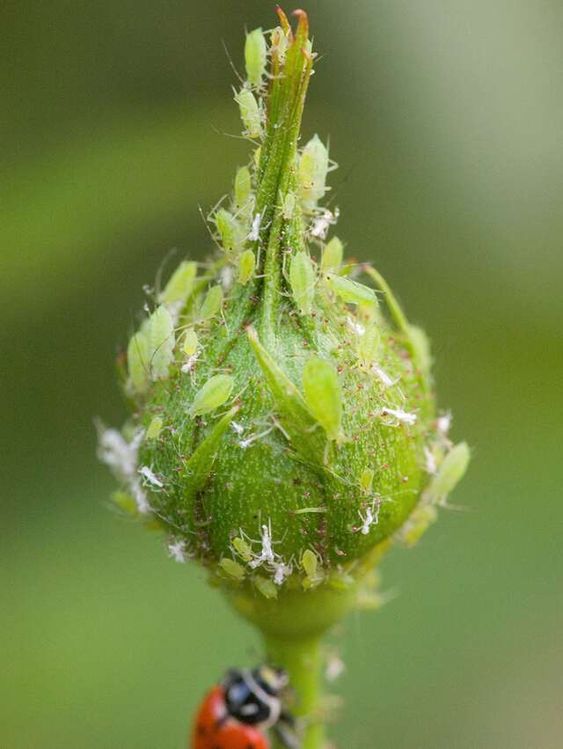
This is a small bonus, but try to get hold of seven-spot ladybird larvae somewhere. Ladybirds come in several species and have different colourings. Most of them are highly predatory and hunt aphids, among other insects. They also feed on rusts and powdery mildew. You can get rid of aphids without stress, it just takes patience.
Leave a Reply