
Lavender, how and where to grow it best
Lavender is one of the most aromatic ornamental perennials . It is added to essential oils, used in cooking and made into decorations. You will especially appreciate it if you are fond of a French or Provençal style of home décor. It also repels insects and various pests. The advantage is that you can grow it in the garden, but also on a balcony or terrace. Even so, it has its pitfalls.
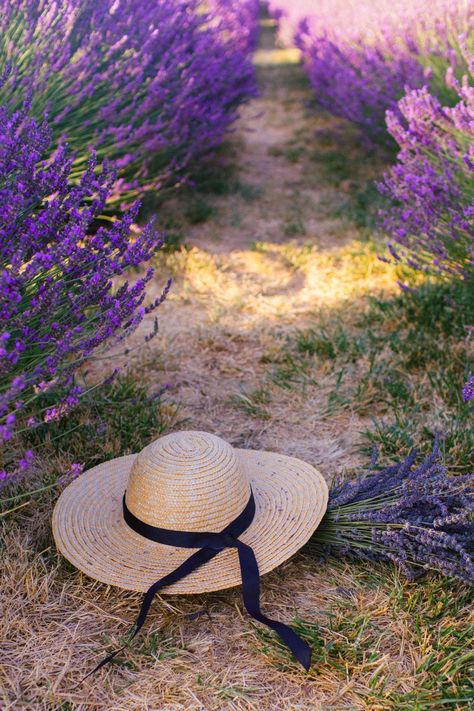
Growing lavender
This plant with blue or purple flowers is undemanding, but you need to take a few things into account.
- Watering: do not overdo it. Remember that it grows in Mediterranean countries. However, if you keep it in a window box, it deserves regular watering.
- Pruning: prune it right from planting so that it grows nice and bushy.
- Soil: you can plant it in drier, rather acidic soil. It also does not need much fertilising.
Lavender is an outdoor flower, so if you put it in the sun, it will reward you with an unforgettable scent. Just make sure you choose the right variety so that it does not freeze in winter. In the Czech Republic, the most commonly grown types are English lavender (Lavandula angustifolia) and lavandin. Both are fairly frost-hardy and resilient.

Growing in a pot
If you do not have a garden, you can also plant it in a pot. Put a layer of gravel or small stones at the bottom of the pot. Lavender must not stand in water, so water it regularly but not too much.
Pruning lavender
Spring pruning will then give you beautifully dense, richly branched shrubs covered in flowers. Regularly rejuvenated plants also keep a large number of reserve buds in their lower part. So if the upper parts of the plants are badly damaged by frost, they have something to regenerate from. You can cut young branched shrubs back to a height of 5 to 8 centimetres, while older shrubs that have never been pruned before should only be cut back partially. Do your spring pruning at the turn of March and April, when the plants start to sprout and the buds are clearly visible and open. At this time the pruning cuts heal very well and the plants regenerate faster. Only start the main spring pruning after you have removed all the frozen parts of the plants. When pruning, try to keep the shrubs rounded, and do not be afraid to shorten the stems by as much as a third. However, it is important that at least 2 visible young buds remain on each stem.
Final tips
Lavender copes very well with direct sun, but it will not thrive in a windy, cold spot.
- It likes permeable soil and good drainage. It does well on gently sloping sites or on specially built mounds.
- It is best of all planted with roses, because it repels aphids and whitefly and protects its surroundings with its fragrant substances.
- Water young lavender regularly; older plants benefit from moderate watering, but they can manage quite well without it.
- If you want to give lavender a little extra, feed it with calcium-based fertilisers. If you skip fertilising, nothing bad will happen, the plant will cope on its own.
- Lavender needs regular pruning, and this applies to young plants too. Cut the plants back for the first time in spring in warm weather so that each stem keeps three healthy pairs of leaves with buds; never cut into the old wood!
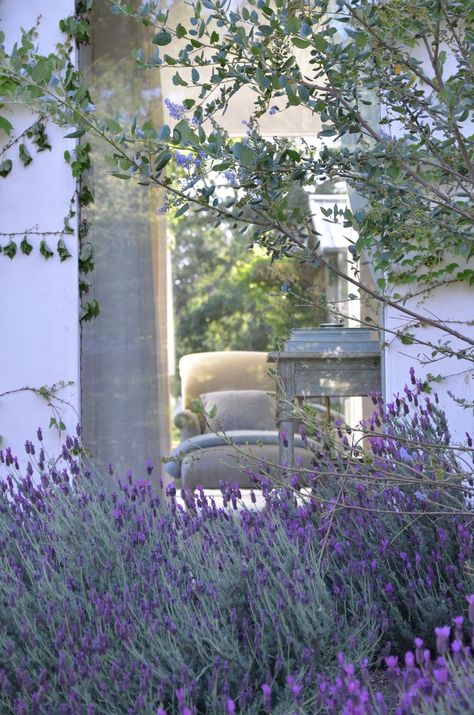
You can also make tea from lavender and use it to beat anxiety.
Leave a Reply