
How to grow blue hydrangeas
White, pink or blue hydrangeas brighten shady corners of the garden from spring to autumn. They are easy to grow, but to get blue flowers, they need special care and feeding. You can also read about growing hydrangeas in our article.
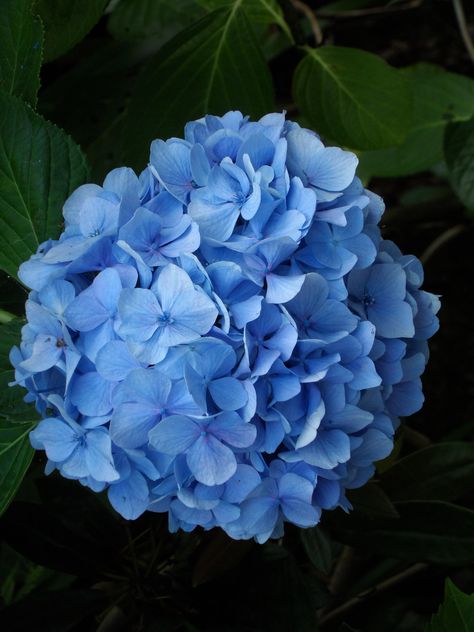
How to make a hydrangea blue
Anthocyanins are the plant pigments responsible for whether your hydrangea is blue, purple or pink.
They are found in the cell vacuole and change shade depending on how acidic the cell sap is. The more acidic the environment in this cell reservoir, the bluer the pigment dissolved in it becomes. As alkalinity rises, the shade turns pink. And that is the secret behind blue hydrangeas. They will only flower deep blue in acidic soil. However, some varieties also change colour as the flowers fade, and the mix of blue tones with purple and pink is very attractive.
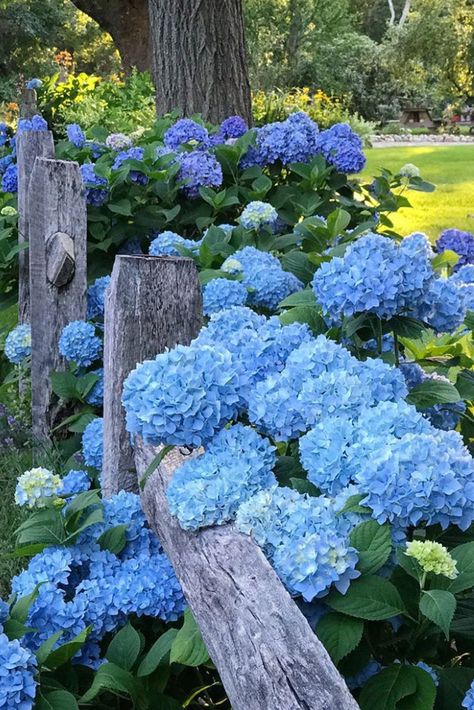
Compost and watering
The ideal value for keeping the flowers a deep blue is a soil pH of 3.5 to 4.2. This is a low value, and it is easier to achieve with hydrangeas grown in containers. More acidic soil turns the flowers blue, whereas neutral soil turns them pink. Once your plant has grown and you want to feed it, never use products that bind iron, otherwise the blue colour will not appear.
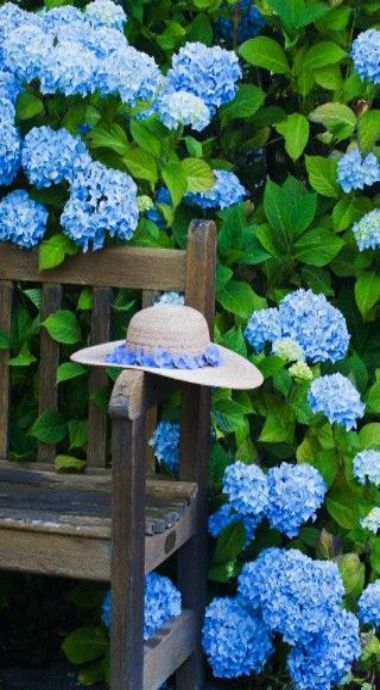
For hydrangeas, it makes sense to use acidic peat, which is unnecessary for most other garden plants. If you prefer not to use peat for environmental reasons, try making your own from composted pine needles or pine bark. Mulching with spruce or pine needles is also beneficial.
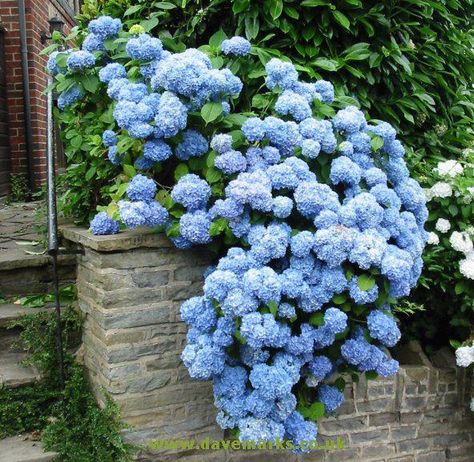
Watering with rainwater
Rainwater contains no calcium. Feed with fertilisers designed for hydrangeas. The presence of aluminium ions also boosts the intensity of the colour, which is why hydrangea fertilisers contain a source of them, such as ammonium aluminium alum or aluminium sulphate.
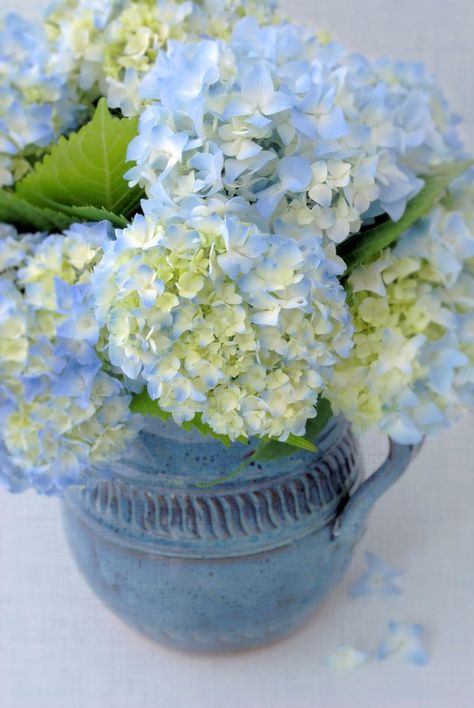
An old wives’ tip for blue hydrangeas
When planting, put a piece of aluminium foil under the plant, or push an aluminium spoon, for example, into the soil next to an established hydrangea. This works because the change of colour from pink to blue is caused by free aluminium ions acting on delphinidin (the pigment found in the flowers). Some varieties turn blue readily, others less so, but it is certainly worth a try. One of the more willing ones is the bigleaf hydrangea (Hydrangea macrophylla). It is grown in shades ranging from white through pink, red, crimson and blue to purple.
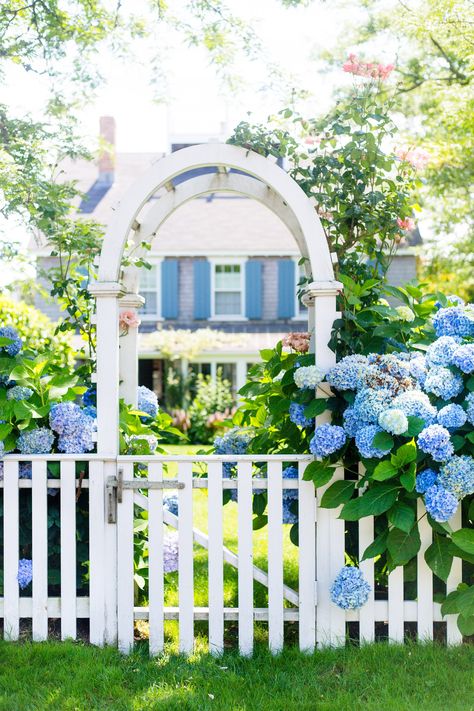
Hydrangeas create a beautiful contrast against a green lawn, and the shrubs stand out in small groups. You can also plant them as underplanting beneath taller trees and shrubs, or wherever you need to hide an unsightly corner.
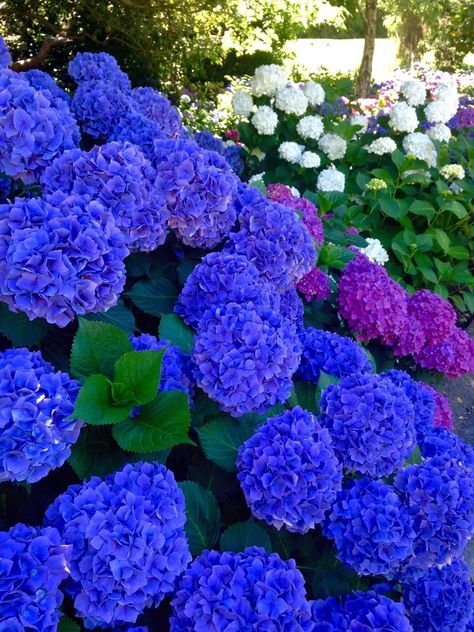
Once you have finished reading, get inspired by 10 tips for wooden decorations, what to put around a pool, or how to make homemade hummus.
Leave a Reply