
Hydrangeas, how to grow and prune them
The hydrangea is one of the most popular flowers in our gardens. It is known for its large, beautiful flowers in all kinds of colours and types. If you know how to look after it properly, it will bring you nothing but joy. Can you handle it?
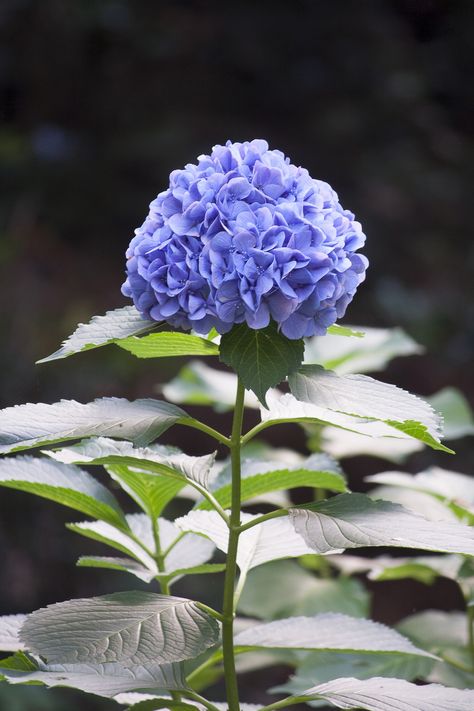
Hydrangeas in the garden
It does well in a partly sunny spot with slightly acidic soil. Over the summer, normal moisture is enough, but when it is very hot, do not forget to water it in the evening. While they are growing and flowering, they need a lot of water, so if you do not water them generously, they will wilt easily. Be careful, though. They do not like hard water. From August onwards, water it a little less.
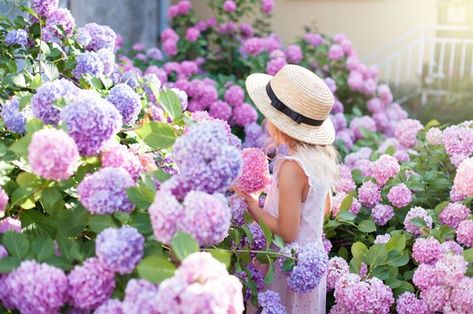
Feed it twice a month with both liquid mineral fertilisers and organic ones. Never use calcium, as they cannot tolerate it at all. Leave the spent flowers on the plants over winter and only cut them off in spring. If you have older plants with a good root system, they are less vulnerable over winter.
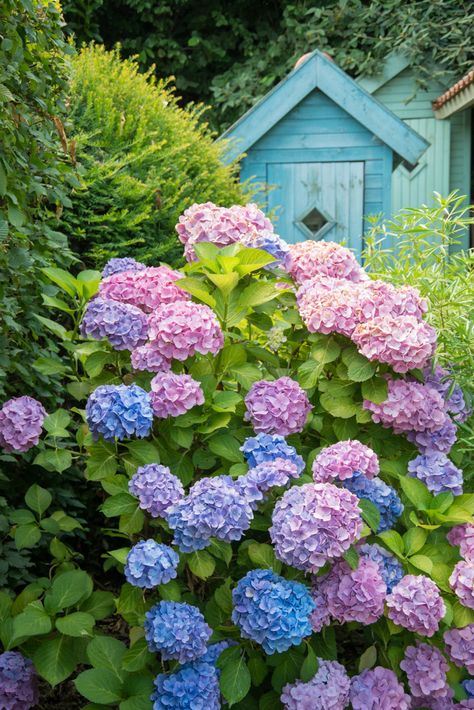
Hydrangeas in pots
Do not be afraid to grow it in a pot on a balcony or terrace too. Remember that if you want the large, firm flower heads to last as long as possible, you need to give it the right conditions. Place the pot where there is plenty of light but also some shade.
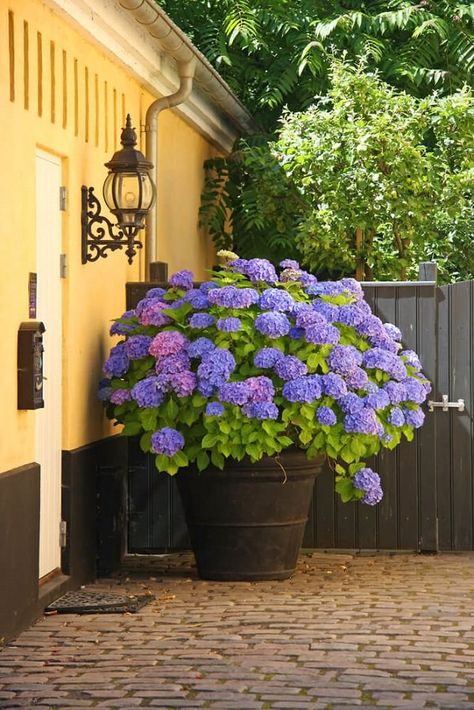
As we have already mentioned, it likes partial shade, so do not skimp on it. Before the first frosts arrive, move potted plants into a bright, frost-free room with a temperature of six to eight degrees Celsius. Water them only very sparingly, just enough to keep the root ball from drying out.
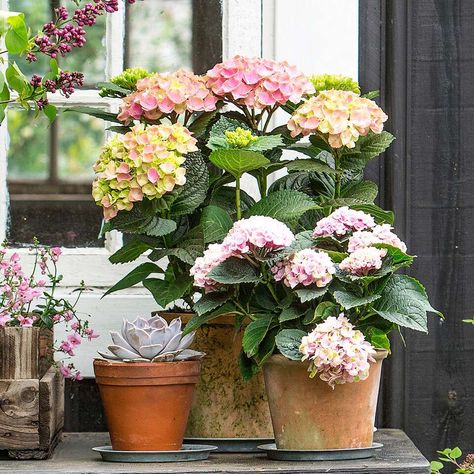
When do hydrangeas flower and how should you repot them?
They flower from March to July, but this depends on how early the variety is. Some flower as late as September. You can repot young hydrangeas as often as twice a year into medium-sized containers filled with a mix of soil, peat, leaf mould and sand. Once they grow bigger, move them into larger pots. Older plants are a little different. Repot them every year after flowering and cut them back hard before repotting. If you have very old plants at home, at least replace the top layer of soil.
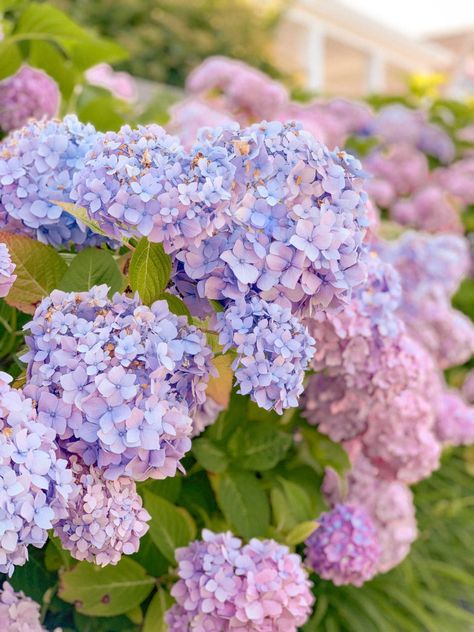
What about pests?
Light green or rust-coloured rings on the leaves, stems or flowers are a sign of tobacco ringspot virus. If your hydrangea has a greyish coating on its leaves, stems or flowers, it is caused by powdery mildew. If it turns yellowish, it is lacking iron. Stem nematode deforms the stems and leaves, and the flowers become stunted.
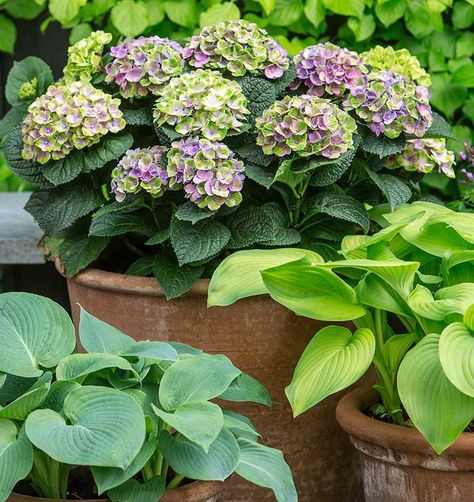
How to prune hydrangeas
Because these hydrangeas produce buds right after flowering, you should remove unsightly flowers as soon as they start to wilt. This ensures the plant produces buds on clean shoots. Make the cut just below the flower. At the same time, remove any dead or weak shoots as well. Cut these at the base. You can also remove old branches that you have noticed hardly flower at all. You can thin out up to a third of them. Again, cut low down near the ground.
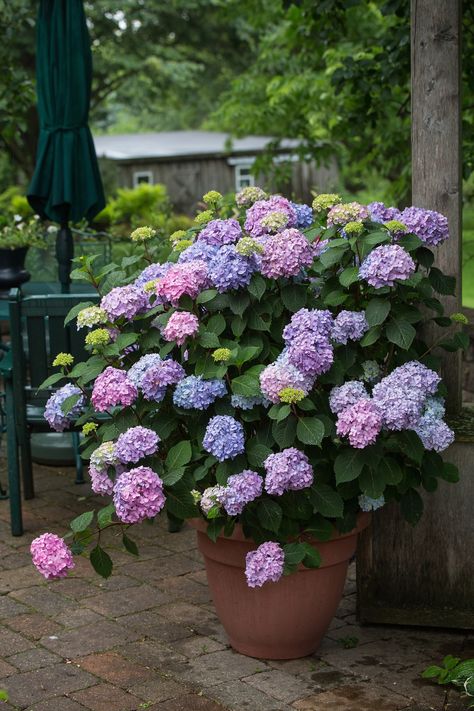
Hydrangeas for the faint-hearted
If you are worried that you will prune your hydrangea wrongly and it will not flower, get a special variety of hydrangea, the bigleaf type called Endless Summer and Forever and Ever. Unfortunately, their price starts at 500 CZK (about 23 USD).
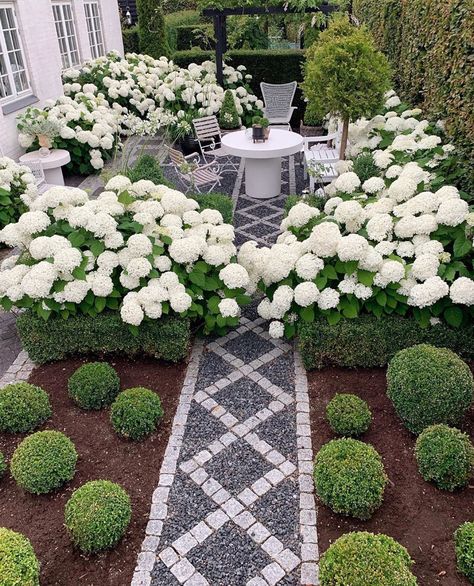
One last advantage of the hydrangea is that you can dry its flowers and then put them in a vase. Its dried flowers will then bring you joy even through the winter.
Once you have read our article, take a look at, for example, how to grow rhododendrons, which annuals suit sunny spots, or what CFD trading is.
USD amounts are approximate, converted at the Czech National Bank rate of 21.75 CZK per USD on 9 October 2026.
Leave a Reply