
How often and how long should you filter a pool?
A pool in your own garden filled with crystal-clear water is almost everyone’s dream. The reality, however, is often different. All it takes is bad weather, high temperatures or wind blowing dirt into the pool, and the water starts to go off. What can you do about it? Get a filtration system. And how long should you filter your pool?
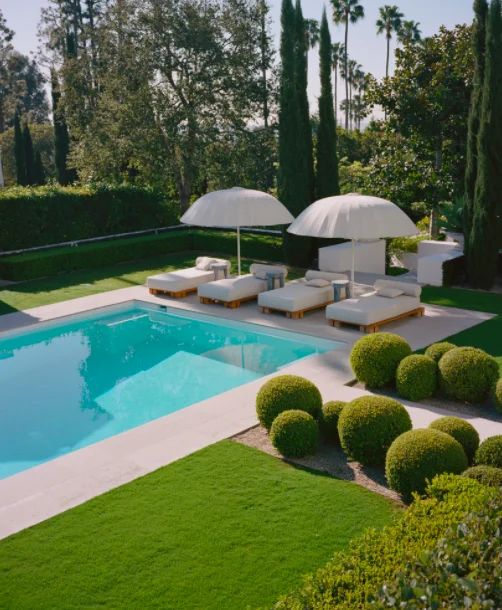
Filtering your pool, what should guide you?
When choosing, focus on the filtration capacity. Pools come in different sizes, and the filtration capacity you need changes with the size. How do you work it out? Divide the volume of the pool by four. The result is the pump’s required flow rate in cubic metres. The filtration capacity should never be lower than this pump flow rate. Higher is ideal, especially when the filtration unit is a long way from the pool, the ground is uneven, or you also use solar heating, a heat pump or a pool vacuum.
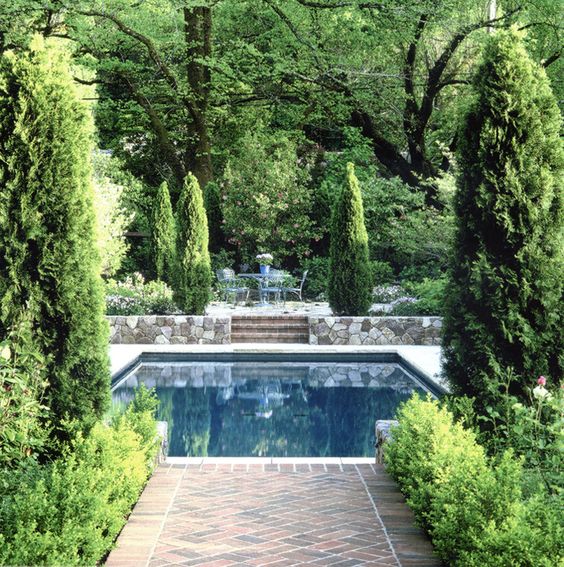
You can also try cartridge or sand filtration! Cartridge filtration is used for smaller pools with a volume of up to 8 m3, while sand filtration suits pools with a larger volume.
How often should you filter your pool?
The pool water should pass through the filter at least twice a day, or even more often if you use the pool a lot. It is a good idea to split the filtration time into several periods, for example switching it on for about an hour at a time. Never filter the water while you are swimming. Nobody may be in the pool while the filtration is running. The filtration system filters the pool water in about 4 to 5 hours
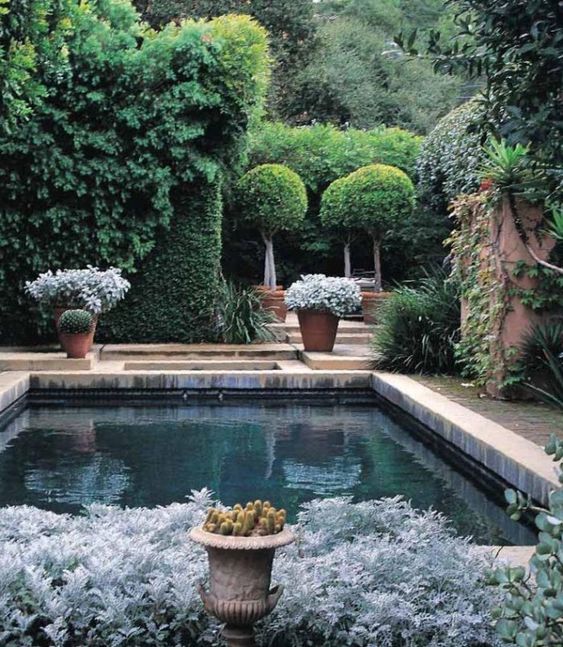
Maintaining the filtration system also matters
For the filtration system to work exactly as it should, it needs looking after. Check the filter at least once a week and rinse the dirt out of it.
- Do you have cartridge filtration? Then rinse the foam filter every week. Replace the paper one regularly.
- Do you use sand filtration? Clean the sand every week by backwashing.
As well as regular filtration, the water also needs treating. To keep the pool water crystal clear, it is not enough just to run the filter twice a day. You also need to monitor values such as pH, water hardness, alkalinity and the free chlorine content of the water.
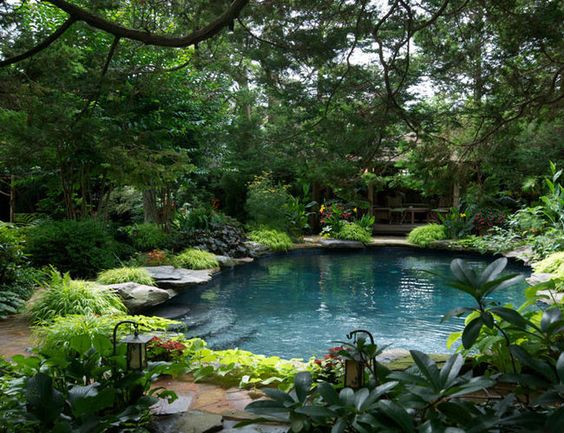
Which values need to be maintained?
- Water hardness up to 18 °dH
- Free chlorine content between 0.3 and 0.6 mg/l
- Alkalinity between 80 and 120 ppm
- pH between 7 and 7.4
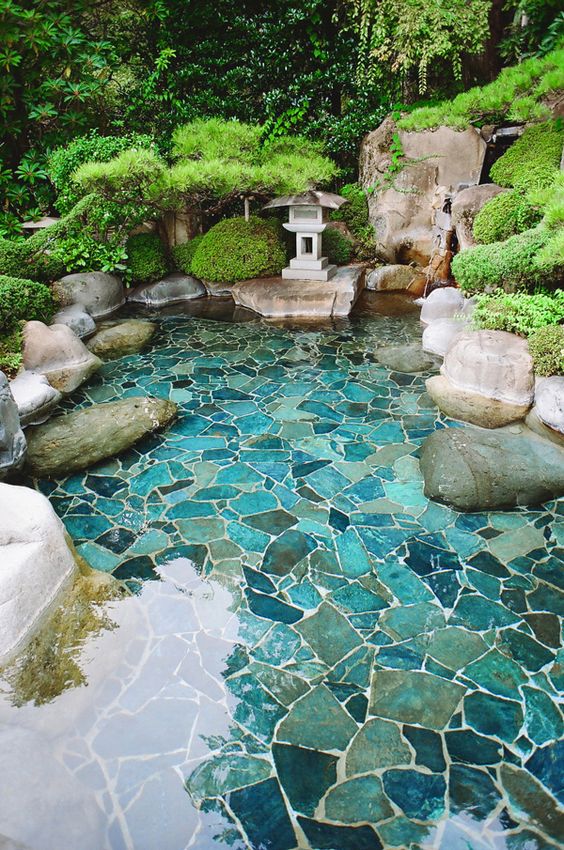
Daily care for a beautiful pool
Removing dirt: Sweep up and vacuum dirt that has sunk to the bottom. Remove anything floating on the surface straight away with a net, which saves extra work for the filter. Covering the pool with a sheet makes the job easier.
Cleaning the pool walls: Limescale, dust, grease and other dirt tend to form the typical black ring on the pool walls at water level, which is not just an aesthetic problem but also a breeding ground for algae and cloudiness. You can remove the grime with automatic robots or vacuums, or by hand with a brush and a special cleaning product (not soap or detergents!).
Sufficient filtration according to the size of the pool, the air temperature and the condition of the water. Filtration time ranges from 4 to 8 hours a day, ideally split into two-hour periods. Rinse the filter insert at least once a week.
Regular checks of the pH value and the free chlorine concentration.
To stop dirt getting into the water, it is a good idea to place a tub of water near the pool so everyone can rinse their feet before getting in.
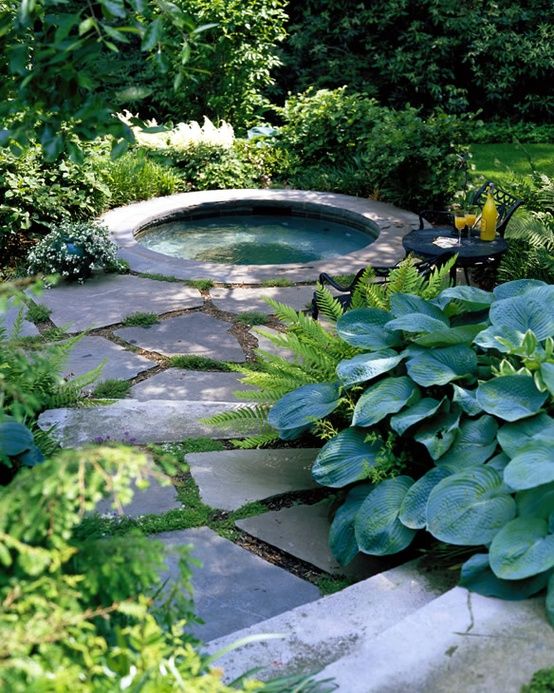
Stick to the recommended dosages
Using too much disinfectant wastes money and also risks irritating your skin. If you overdo the flocculant, an opalescent cloudiness can form that does not settle on the bottom and cannot be vacuumed up. Too much pH minus means swimming in acid, while too much pH plus makes the disinfection ineffective.
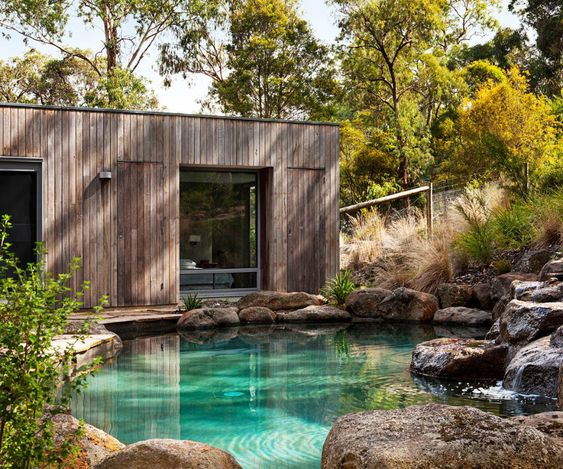
The hit of recent years, salt water
In recent years, people have been switching to salt water. It has many advantages: for example, it does not cause allergic reactions, does not smell, keeps the water beautifully clean and does not irritate the eyes. People are very happy with this technology! I can warmly recommend it myself.
A pool cover after the swimming season also helps with good maintenance, and there are plenty to choose from. They range from cheaper options, such as an inflatable pool dome by a Czech inventor, to very expensive enclosures like the ones we see in American films.
Sometimes you will have no choice but to reach for the chemicals. You want to swim in your pool, that is what you have it for, and you do not want to waste the whole summer trying to treat the water “chemical-free”.
For more pool inspiration, take a look at our other articles, for example how to clean a green pool, 8 tips for the best pools or how to work with the vagus nerve.
Leave a Reply