
Cleaning a green pool of algae and other dirt
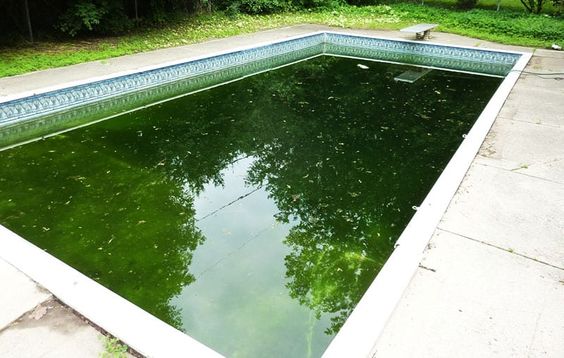
Having “froggy” water in your pool is no fun, and it certainly won’t lift your mood. In the hot summer months, a pool is a real sanctuary where you long to cool off. So if you have a problem and want to get rid of a pool turned green by algae and other dirt, read the following lines carefully.
Cloudy pool water definitely needs to be dealt with. However, remember that this problem can be prevented with proper care and the right chemicals in the right amounts. You can also read about proper filtration in another of our articles.
How does pool water turn green?
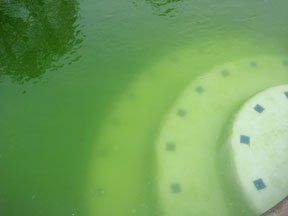
Algae in the pool? How do you get rid of green water? Which pool chemicals should you use? Does Savo work in a pool? These are the questions that come to mind when disaster strikes. The pool water is simply dirty because of insufficient care, and there is no point pretending otherwise. Putting in a chlorine tablet once a week does not automatically mean your water is “safe”. Most often, the problem is caused by not treating the pool water properly or by using too low a dose.
To understand the terms related to algae growth and cloudy or slimy water, here are the basics you need to know to work out why your pool water has turned green.
Water hardness
If you fill your pool with well water, you may be surprised to learn that this water tends to be moderately to very hard. Logically, the harder the water, the more calcium, magnesium and other minerals settle out of it over time. Water hardness can be measured with a water analysis. The ideal water hardness in a pool is 180 to 250 mg/l (minerals per litre).
Acidity or alkalinity of the water
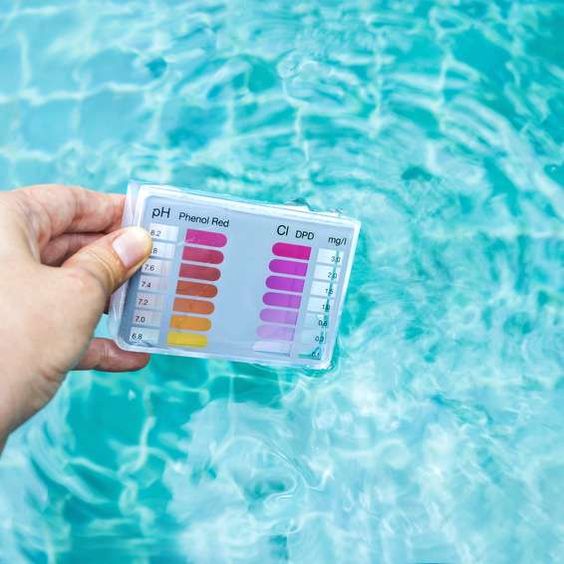
The pH scale runs from 1 to 14, with 7 indicating neutral. Above 7 the water becomes alkaline, while below 7 it becomes more acidic. If your pH is too high, deposits or slimy water are typical signs. If the pH of the water is too low, it usually causes stinging or itching after swimming. The correct value should be between 6.8 and 7.4.
Lowering or raising pH
Lowering the pH is needed when the water is cloudy, slimy or has a green tinge, or when algae are forming in the pool. Raising the pH is usually necessary if swimming feels uncomfortable. You can also tell because your skin starts to itch.
Disinfection, disinfection and more disinfection
Chemical treatment of pool water comes in many forms today. You can choose from chlorine and chlorine-free options, although it must be said that chlorine is somewhat more effective, especially if the pool is used regularly. If you opt for a liquid product, pour the required amount near the filtration system. Pool chemicals in tablet form are best placed directly in the dispenser where water flows through the filter into the pool. You can check the chlorine level in your pool with a drop tester. The ideal value is 0.3 to 0.5.
Get rid of algae and cloudy water
If algae are forming in your pool and you have already adjusted the pH or water hardness, try Savo as well. If you want to clear cloudy water and algae from your pool, the recommended dose is 240 ml/m3. Always keep the filtration running. The normal dose of Savo for routine pool use is about 80 ml/m3. The advantage is that you can swim just 30 minutes after applying the disinfectant.
Apart from algae, you also need to get rid of sediment and dirt. For this, a chemical called a flocculant is recommended, which makes the dirt clump together and settle. You can then collect it with an ordinary net.
Filtration
For chemical dosing to make sense, you need good filtration. Cheap pools (inflatable ones), which are usually smaller, use cartridge filters, which do not clear much of the water. The fineness (grain size) of the filter plays the main role. Sand filtration can capture even smaller particles of dirt. Filter bags are even more sensitive and catch almost everything that appears in the water.
Mechanical cleaning
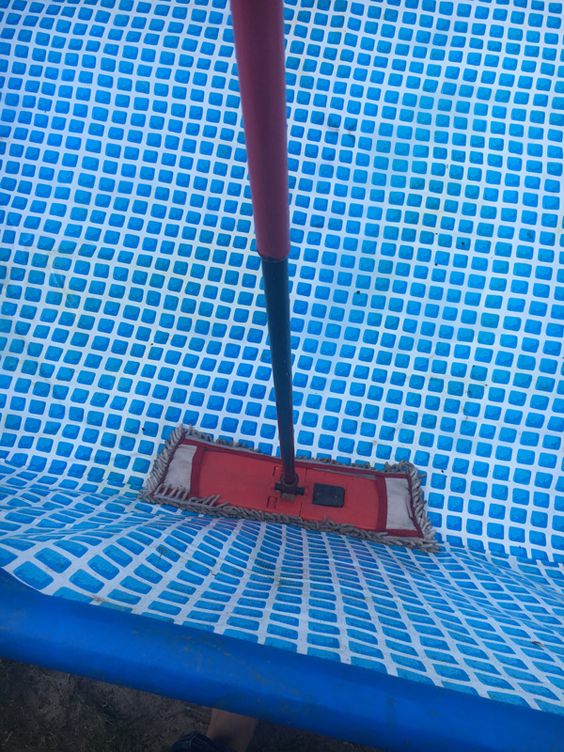
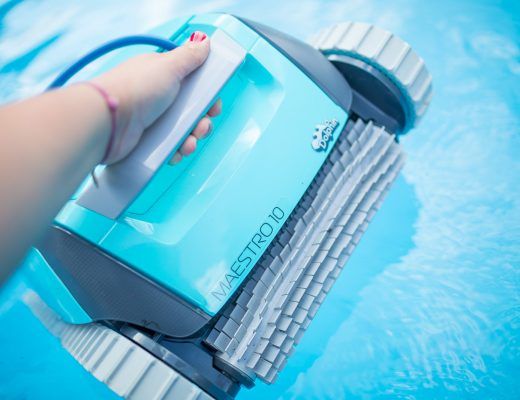
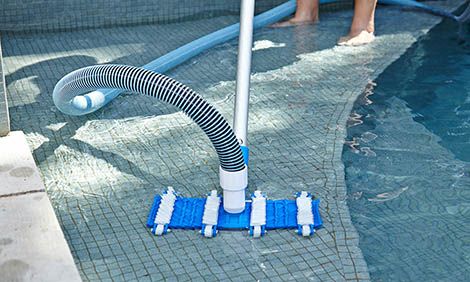
If algae growth is out of control and the algae have reached the bottom of the pool, nothing but mechanical cleaning will help. Algae settle on the bottom or walls of the pool. Apart from a net, which we should use regularly to remove visible dirt from the surface, we can also choose pool vacuums. You can choose semi-automatic vacuums, which you connect to the filtration system and start vacuuming.
If even that is not enough for you, an automatic vacuum will do everything for you. Just set it up and set the timer. It will take care of the rest by itself.
After reading, have a look at our other articles, such as 8 Tips for the Best Pools, or get inspired by the paleo diet.
Leave a Reply