
Functionalism and how to put together an interior and furniture
Modern architecture definitely includes functionalism, which arrived in the 1930s. Incidentally, this remarkable style is making a comeback today. As with other styles, you will find simplicity, geometry and clean lines in it.
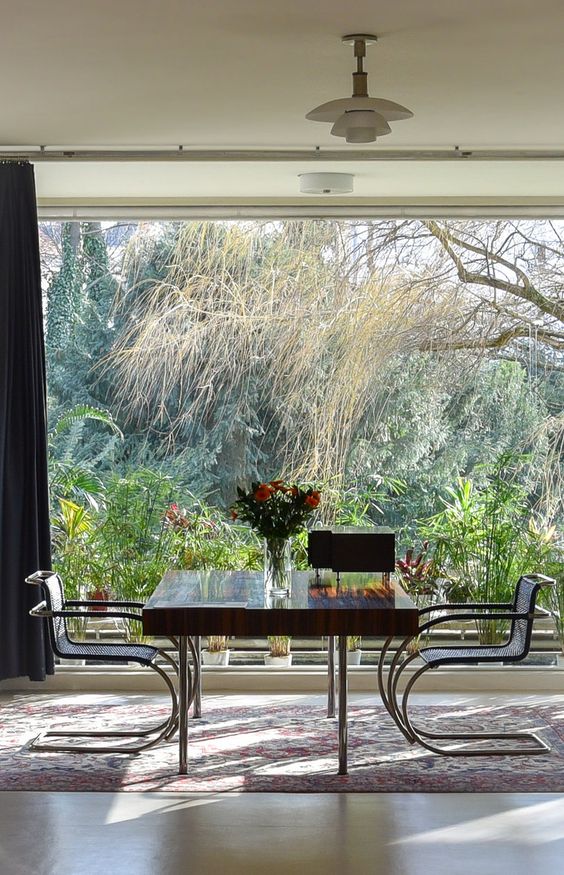
The main features of timeless functionalism
- Austerity
- Simplicity
- Geometric shapes
- Details
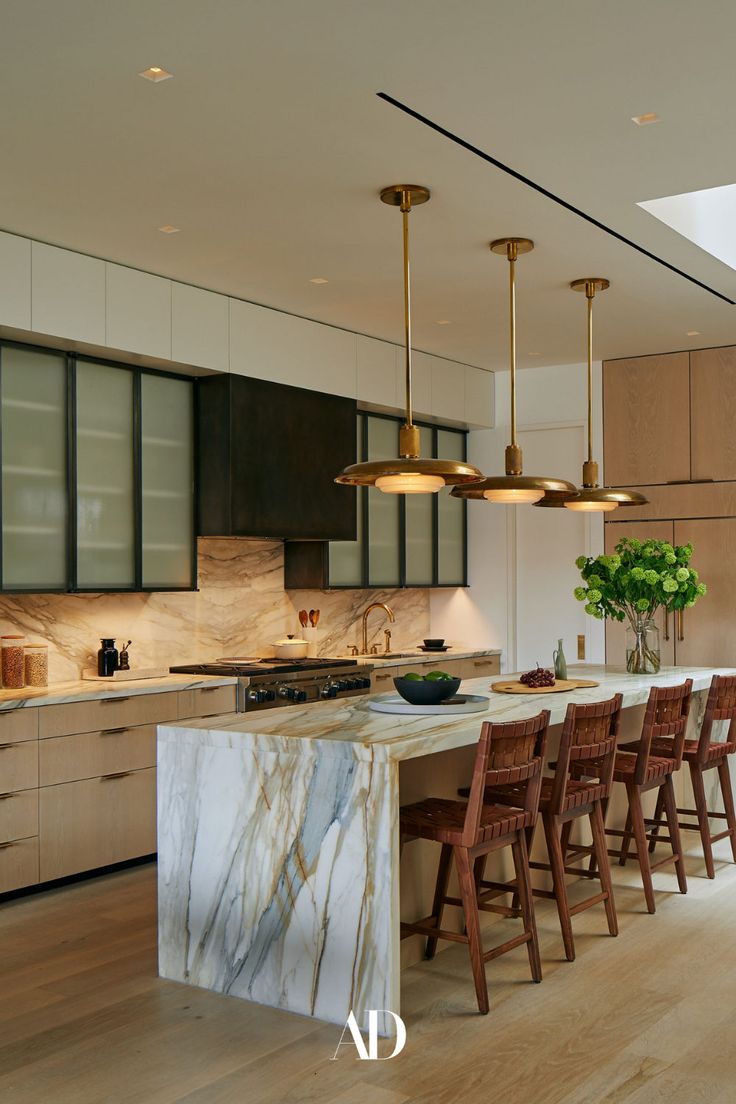
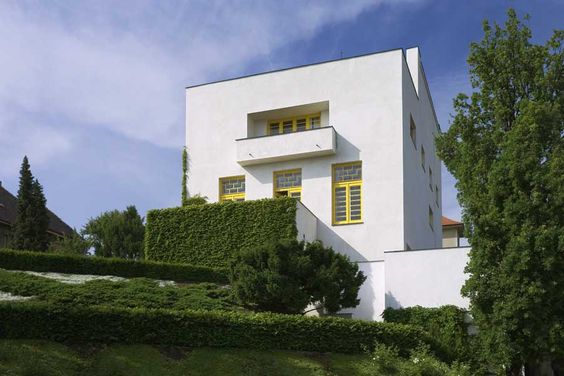
Functionalism has no time for ornament, unlike Art Nouveau, for example. You can recognise such a building by its rounded window profiles, which usually wrap around the corner, and by the boxy shape of the building with a flat roof.
What about the interior?
As we have already mentioned, it is about cleanness and sharp lines, which alternate with rounded shapes. The most common materials are clear or frosted glass and metal. For furniture, chrome is the most common material. Other typical accessories are vases, sculptures, artworks and splashes of colour. Do not be afraid to combine old and new pieces, as long as they create a harmonious whole that matches in style and type.
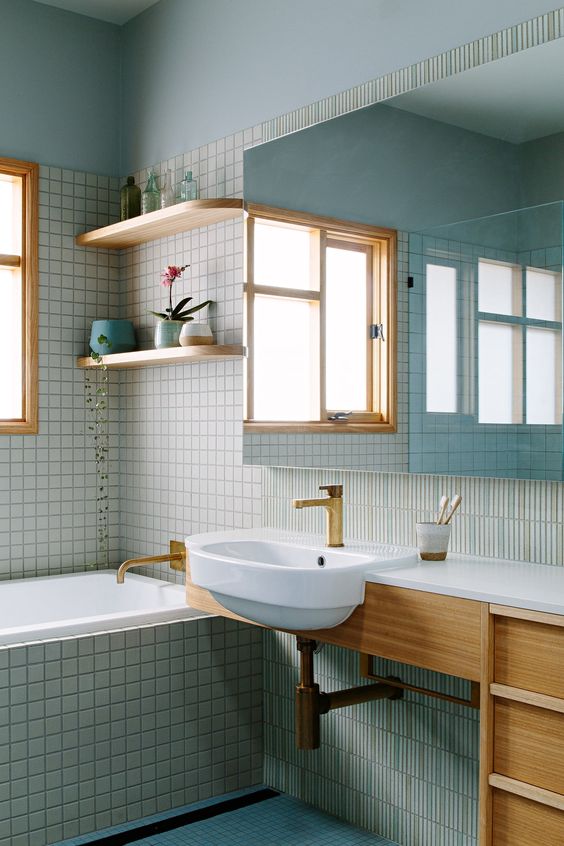
In a flat furnished in the functionalist style, for example, restored period pieces and their replicas look superb. Try hunting around second-hand shops or attics for cast-iron radiators, upholstered and leather armchairs, or a large bookcase. In galleries, look out for abstract paintings by national artists or design pieces.
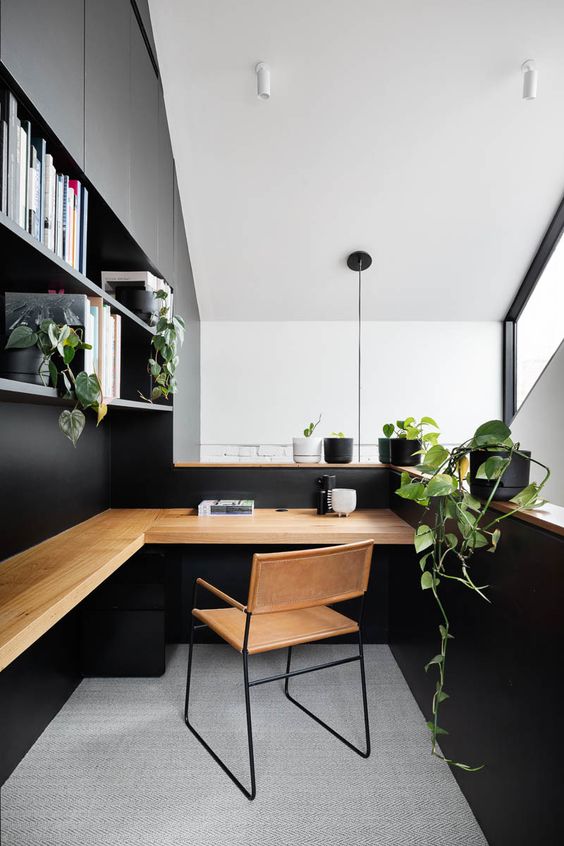
What flooring suits a functionalist flat?
In the functionalist style, the walls definitely deserve attention. Think about paint, tiles or wallpaper. For example, try decorative plaster, marble or stone veneer cladding.
Functionalist-style wallpaper
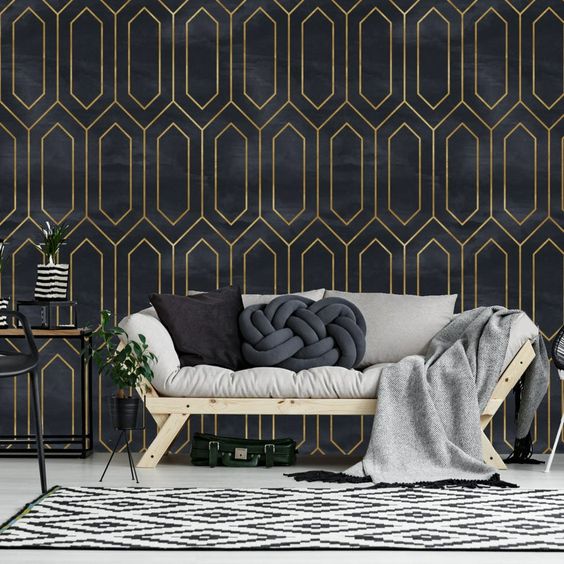
Functionalism is also represented in the home through wallpaper. It is true that traditional paper wallpaper has had its day, so try non-woven or vinyl wallpaper instead. The most suitable patterns are retro motifs, geometric shapes or mosaic designs
Choosing furniture
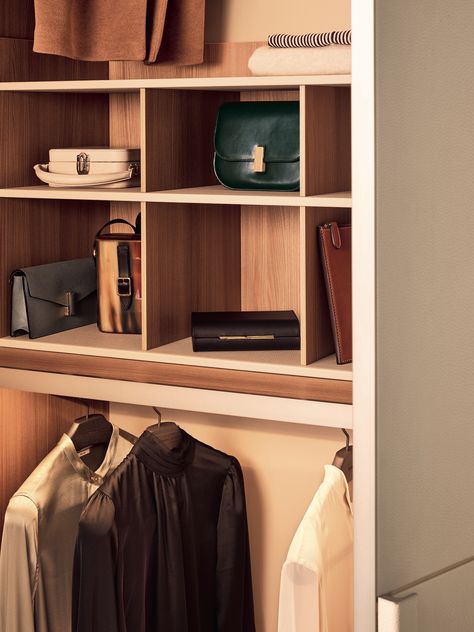
Simplicity. That was the hallmark of furniture from the First Republic. So let your interior be dominated by pieces made of high-quality polished and bentwood, metal or chrome. If you own any bulky cupboards, you are better off getting rid of them. In functionalism, built-in wardrobes are the main feature. You can also try fold-down beds, folding tables and seats, or storage walls with hooks.
And what about decoration?
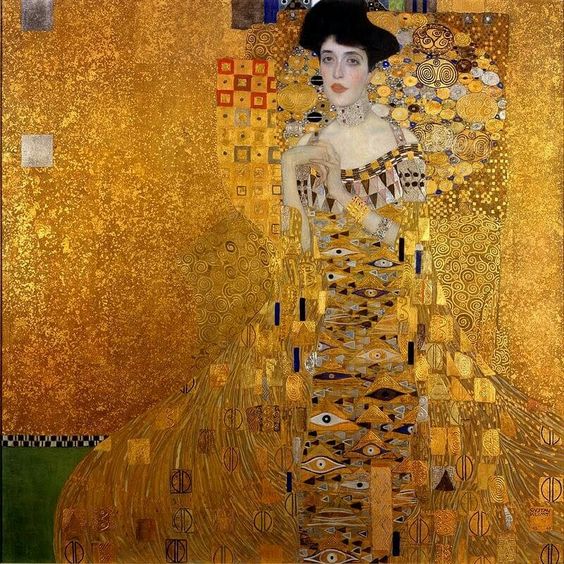
As we have already mentioned, decorations are not the order of the day. According to the principles of functionalism, decorations should above all serve a purpose. So get yourself original flower vases or a glass clock. Do not be afraid to refine and mix things up. Display black-and-white photographs, hang a still life on the wall, or get a copy of a painting by a major master of the period. Cover the windows with heavy curtains and do not forget to lay a rug on the floor, ideally with a geometric pattern.
As for the garden, try incorporating a swimming pool. Pools were also part of villas built in the functionalist style. We must not forget a natural hedge either, which gives any garden just the right dimension.
Where to go for inspiration?
You do not have to travel far to see the functionalist style. Examples include the luxurious Müller Villa (Müllerova vila) in Prague’s Ořechovka district, the Trade Fair Palace (Veletržní palác), the Barrandov Terraces (Barrandovské terasy) and the popular Villa Tugendhat (vila Tugendhat).
Functionalism is an interesting style that you can use to furnish your home even today. So do not hesitate to visit a second-hand shop or an antiques shop.
Leave a Reply