
Earth-sheltered houses and their advantages and disadvantages
Sustainability has been the main topic of recent years. It affects many areas of our lives and is bringing about necessary change. For example, buildings and family houses should be more energy-efficient and, above all, made from natural materials such as wood, bamboo, natural stone or hemp. A house built into the ground could meet all the requirements of today’s challenging times.
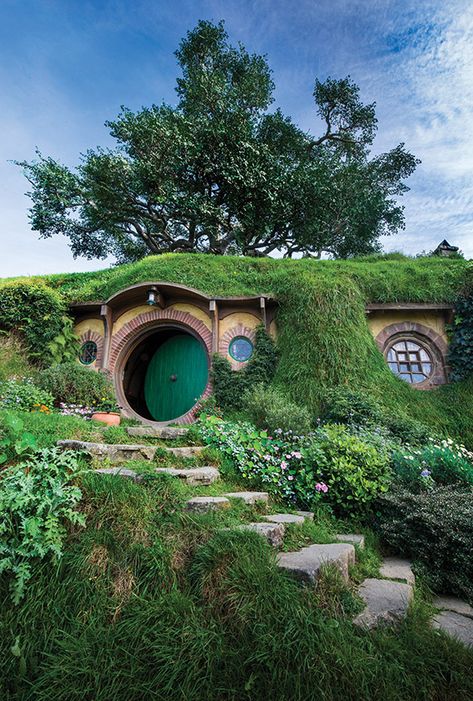
Living and nature
A house in the ground is nothing unusual. We don’t mean the famous Hobbiton, where they also created some very pleasant front gardens. The real inventors were the Native Americans of North America. With characteristic regularity, every autumn they dug their dwellings into the ground. They covered the opening with tree trunks, grass or soil. The opening also provided the necessary light and ventilation. But let’s move closer to the present.
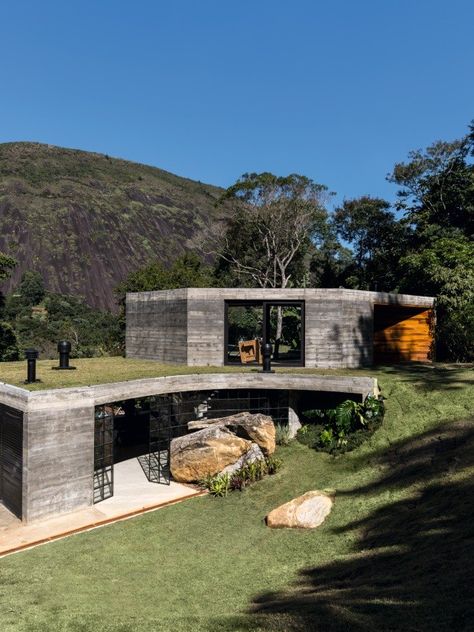
In 1974, the Swiss architect Peter Vetsch created his first earth house. His home was dome-shaped and consisted of a finely expanded metal mesh, concrete, rigid polyurethane foam insulation, a non-woven mat and a layer of soil. The building is therefore part of the landscape and, believe it or not, it is very pleasant to live in. Why not try a Scandinavian or nautical style in such an interior?
So what are the benefits, and why live in such a house?
Advantages
- significant energy savings
- no need to worry about roofing
- can be built in places where other buildings would not be allowed
- resistant to the elements, such as storms or hail
- good sound insulation
Disadvantages
- higher construction costs
- limited options for the exterior design
- no later alterations possible
The problem is legislation
We have already touched on this, but legislation can be a problem. Ask the relevant building authority about the permit procedure for an underground house. As this is an unusual building, the authority is likely to be more cautious. The building authority checks the current legislation as well as the zoning plan, if the municipality has one. That is why it is always better to contact an expert before building, who will handle everything for you or at least arrange it.
What about the interior?
The interior structure is strongly influenced by the technology used. The ceilings are vaults decorated with the imprints of formwork boards. This is why a Provençal style could also work well. Most such houses have large glass windows that let in plenty of light. Otherwise, your dream house need not lack anything at all. Don’t be afraid to experiment. It just takes a little thought, and you are sure to achieve the result you want.
As this is low-energy housing, you don’t need to worry much about demanding heating either. It is generally known that at a depth of more than 2 metres the temperature is 10 °C, regardless of whether it is freezing or hot outside.
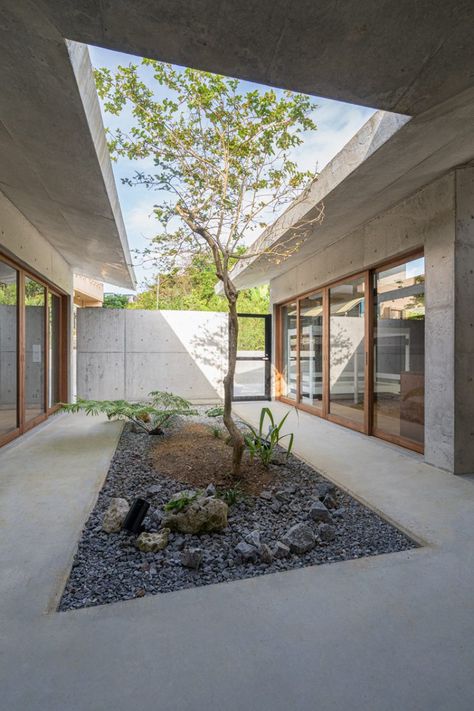
Living in an underground house can be wonderful. After all, it could be the basis of your investment. Energy efficiency is, and will remain, a big trend. And once you have built your earth house, you can move on to building a bumblebee house, because who wouldn’t want to watch happy insects flying about, which can also be beneficial?
Leave a Reply