
How and when does a plug-in heater make sense?
Are you thinking about getting a plug-in heater, also known as an electric direct heater? Are you wondering how and when a plug-in heater is a good choice? We have prepared this article so we can clear it all up together. A plug-in heater produces heat and is highly efficient. It turns the electricity it uses into heat. You are probably already asking whether it would make sense to heat your whole flat or house with one. The answer is simple: heating your entire home with a plug-in heater is definitely not worth it. It uses a lot of energy and, given today’s energy prices, we do not recommend this method.

How does it work?
A plug-in heater is a device designed to heat a room quickly. It gives off heat straight away and can be used anywhere in your home. Installation is very easy and the purchase cost is low. Once switched on, these heaters warm the air immediately and are very powerful. They are usually used as supplementary heating.
When is it a good idea to use one?
As we have already mentioned, a plug-in heater serves as supplementary heating, and if you decided to heat your whole home with it, you would only add to your bills rather than save money. So when is it a good idea to use one? Use it, for example, when it is freezing outside, you arrive home and want to warm up quickly. It is also useful for extra heat before the heating season starts or before you light the stove. It works well in rooms you do not use much, such as a hallway or a guest room. You can also use it to heat the bathroom. We do not recommend this type of heating in houses with high heat loss.
What types are there?
There are many types of plug-in heater. Which are the best known?
- Convection heater
- Oil-filled radiator
- Infrared heater
Convection heater
The most popular type of plug-in heater is the convection heater. It is affordable, costing a few hundred CZK. It is very easy to use: you plug it in and the convection heater immediately starts producing heat. It needs little maintenance and is suitable for occasional extra heating. However, this type of heater also has downsides: it stirs up dust, so it is not suitable for homes with allergy sufferers.

Oil-filled radiator
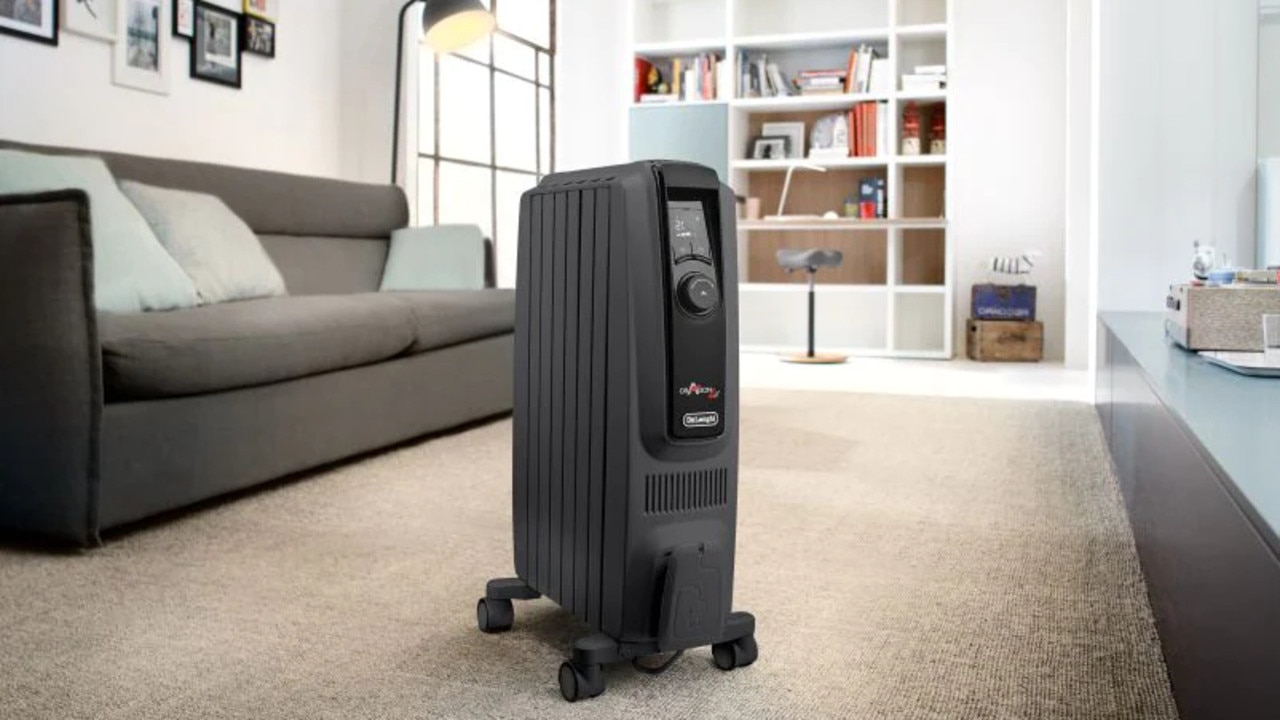
There are also oil-filled radiators on the market, which are also easy to operate but slightly more expensive than convection heaters. You do not need to change or clean the oil in the radiator. Another advantage is that it has wheels, so you can easily move it around the room, and it keeps giving off heat for a long time after it is switched off. Unlike convection heaters, it does not stir up dust. Its drawback is that you have to wait for it to warm up after switching it on. Oil-filled radiators are mainly suitable for smaller rooms. Using one in larger spaces would not be cost-effective or energy-efficient.
Infrared heater
Infrared heaters emit infrared radiation , which falls on the room and turns into heat. At first, they warm the walls, objects and people in the room without heating the surrounding air. They are most often used for outdoor work, for example by stallholders at a market when the weather is cold and they need to warm up. They work brilliantly on a terrace or balcony. They also have a positive effect on your health: they increase blood flow and circulation in the skin, speed up the body’s recovery, relieve stress and help treat inflammation. Like oil-filled radiators, they do not stir up dust. If you want to buy one, we recommend watching out for poor-quality infrared heaters. Make sure you choose a good-quality appliance.

We have now cleared up how and when a plug-in heater is a good choice. If you enjoyed our article, you can also read about how to choose the best external and internal thermal insulation or about when the heating season starts and ends.
Leave a Reply