
8 tips for organising a home greenhouse
Nothing beats a home greenhouse. When it is well built, it keeps a higher and more stable temperature and humidity, and it also protects your crops from harsh weather such as gales or hailstorms. On the other hand, the drawbacks are the lack of rain (which tomatoes actually appreciate) and fairly rapid soil depletion. You can deal with all of this, though, and the little extra work pays off in bigger harvests, sometimes several times a year.
1. Make the most of the greenhouse effect
A home greenhouse is ideal for growing fruiting vegetables, which grow and ripen faster inside. Don’t hesitate to use it in spring for raising vegetable and flower seedlings too. Nothing beats early radishes, lettuces and herbs. Short-wave radiation passes through the glass and creates heat, which stays inside and escapes only slowly. The air keeps warming up, so conditions for growth are much better than outdoors, and in this case the greenhouse effect is beneficial. In spring, ventilate the space during the day when temperatures are highest, and close it carefully at night.
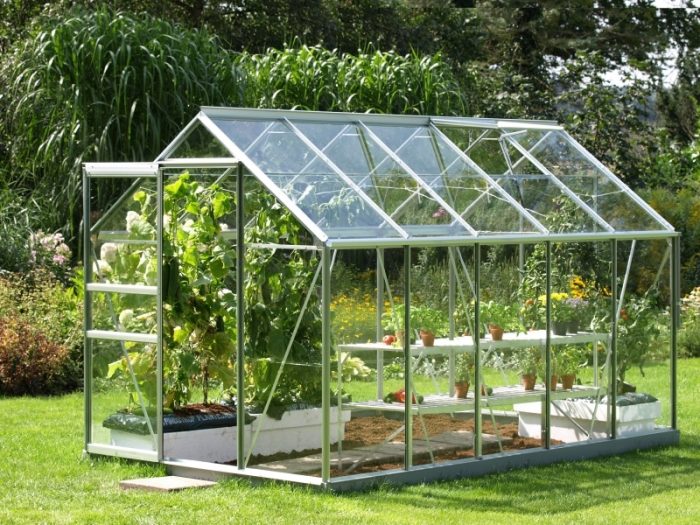
2. Clean glass is essential
Keep the glass perfectly clean. Even a thin layer of dust reduces the amount of light. So that birds do not pay with their lives for the gleaming glass, put UV stickers on the greenhouse. The human eye barely notices them, but birds see them as bright blue. Or decorate the windows with translucent paints made for the purpose, and a few strokes are enough to show that there is no way to fly through.
3. Refresh the soil
Did you have a good harvest last year? Then the greenhouse soil needs a thorough feed to replenish the nutrients it needs. It is best to add organic fertiliser or compost in autumn so that the nutrients are gradually released into the soil. If you fertilise with animal manure, use well-rotted material from last year or work it into the soil well in advance so that it does not burn the seedlings. A month or two should be enough, but you need to water the soil a few times with a probiotic compost solution so that the microorganisms have time to do their job, release nutrients, suppress pathogens and speed up the breakdown of organic matter.
After a few years, it is a good idea to replace the greenhouse soil with fresh outdoor soil from the beds. Dig out the top layer of the greenhouse soil and share it fairly among the beds you took soil from.
4. Growing in containers
Pots will be a great help if your greenhouse stands on ground that is unsuitable for making beds. An alternative is growing in bags, either laid flat with holes cut in them or standing upright. But be careful, soil in such containers dries out more easily, so you need to keep on top of watering.
5. Use every metre
Greenhouse shelves or benches are handy for raising seedlings. If the design allows, you can also fold them down easily so they do not get in the way of taller plants. Or you can grow lower plants underneath them and let troughs of basil and other warmth-loving herbs flourish on top. Solid benches with raised edges can be filled with gravel or sand and moistened as needed.
Plants in growing containers set into the sand will draw moisture as they need it. Use hanging baskets too, for example for strawberry plants.
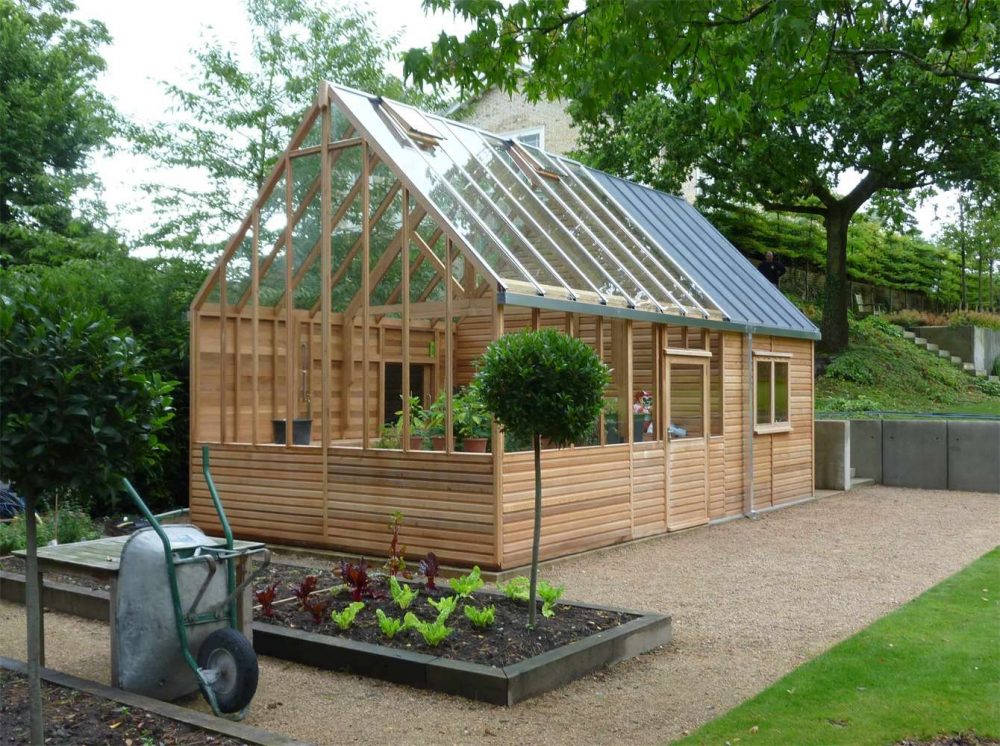
6. To heat or not to heat
Heating allows even delicate plants to grow all year round, but it is very expensive. Background heating is a different matter, as it only provides conditions for overwintering frost-tender plants. It costs less and can be very useful for anyone who grows a lot of plants in movable containers. A less common option so far is heating cables buried in sand. Seedlings benefit from warmth at the roots.
7. What about ventilation?
Greenhouses are not immune to disease, so ventilate as often as possible, especially when it is fine and sunny outside. The most convenient option is automatic window openers, which respond to the outdoor temperature. A simple automatic opener costs from 500 CZK (about 23 USD), and a better-quality one about 1,000 CZK (about 46 USD). There should be at least two windows so that air can flow through. Once it warms up, leave the door open as well. Not only for ventilation, but also because pollinators need to reach the tomatoes and peppers.
8. Time your planting
Try to choose the right time for planting. Some vegetables (such as radishes, early carrots, lettuce, rocket, peas, brassicas and leeks) thrive in daytime warmth and are not harmed by cold nights, so they can be sown fairly early even in an unheated greenhouse. By contrast, a frosty night can destroy tender tomatoes, aubergines, peppers, pumpkins, cucumbers, melons and courgettes, so do not put them in the greenhouse too early either. Admittedly, a light frost may not get into a warm greenhouse.
A home greenhouse is truly priceless. Once you have everything set up, you will simply enjoy gathering your harvest and look forward to the next one.
After reading our article, take a look at others, for example on healthier eating or the best herbs for your garden.
USD amounts are approximate, converted at the Czech National Bank rate of 21.75 CZK per USD on 9 October 2026.
Leave a Reply