
How to get rid of fruit flies in your home for good
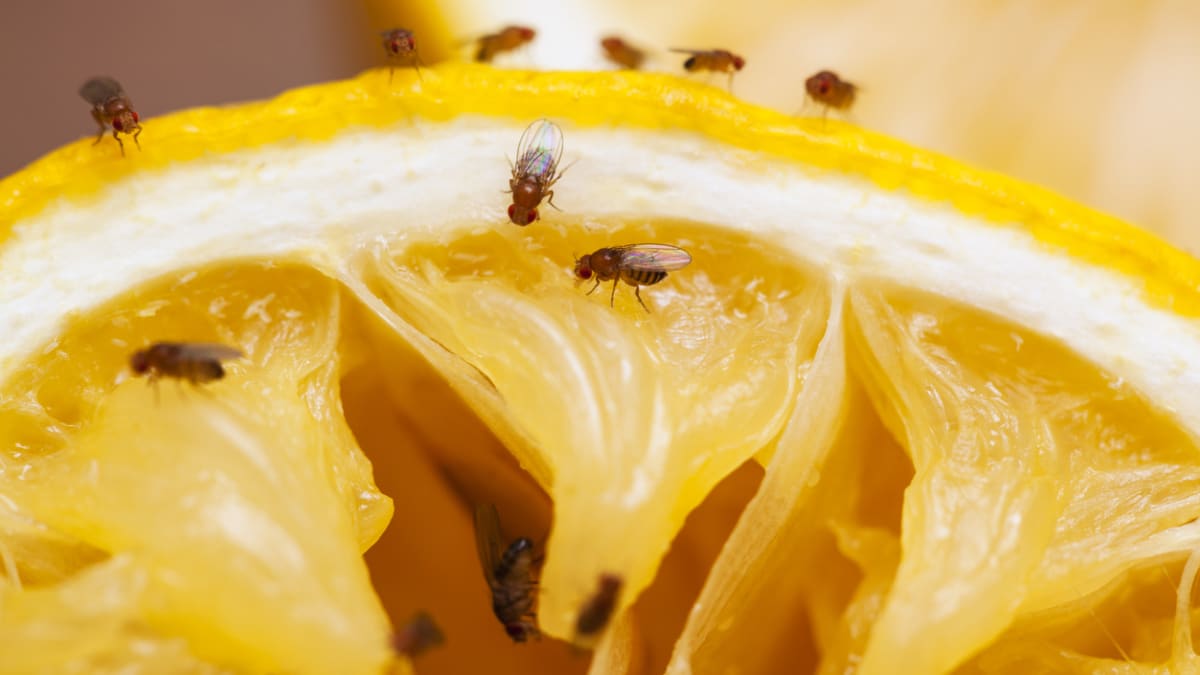
Fruit flies are tiny, fast and hard to kill. The only good news is that they don’t bite or suck blood. Most of us have certainly come across them at home, because these pesky little flies seem to like almost everything. In today’s article, you will find out how to get rid of fruit flies for good.
(Un)useful insects
There is a whole range of fruit fly species. It is generally estimated that there are around 5,000, and the most common one in the Czech Republic is the common fruit fly. If another species turns up now and then, it has usually arrived from abroad together with tropical fruit. They are also often called banana flies, vinegar flies or fruit flies
Fruit flies have also done something good for humanity. In 1933, they helped the physician Thomas Hunt Morgan win the Nobel Prize in Physiology or Medicine. Thanks to fruit flies, he identified chromosomes as the carriers of hereditary genes.
Tackle fruit flies by cleaning
How do you deal with fruit flies at home? Fruit flies are attracted by leftovers they find in your kitchen. First of all, put away fruit, vegetables, drinks and food scraps. Try to remove anything that could attract them. Store all food in the fridge. Don’t leave drinks uncovered for long, and don’t leave sticky bottle necks.
The rubbish bin can also be a problem, so empty it every day and wash it regularly. Do the same with the kitchen sink drain, which needs constant cleaning because fruit flies like to hide there too. You can also use a drain cleaner to remove food residue from the waste pipe.
Perhaps fruit flies will become your main reason to renovate your kitchen? Or will you finally try to balance your diet?

The best ways to get rid of fruit flies
We have picked a few tips on how best to get rid of fruit flies, using both chemical and natural methods:
Try a bowl of vinegar
An ordinary yoghurt pot will help you get rid of fruit flies. Fill the empty pot at least halfway with apple cider vinegar (you can use any kind, even balsamic). Cover the top with cling film and seal it carefully. Then use the tip of a pair of scissors to poke small holes in the film. They must be just big enough for the unwanted flies to get in.
The smell of vinegar reliably attracts fruit flies, and they will certainly drown in your trap. It is best to replace the liquid every 2 to 3 days until the flies have completely disappeared from your flat or house. The flies don’t like the cold much, but they can sometimes appear in the fridge. If they do, use our vinegar method. In the cold, the flies won’t breed as quickly, and they will be easier to get rid of. They also tend to appear at home mainly in the summer months, when you often open the windows.
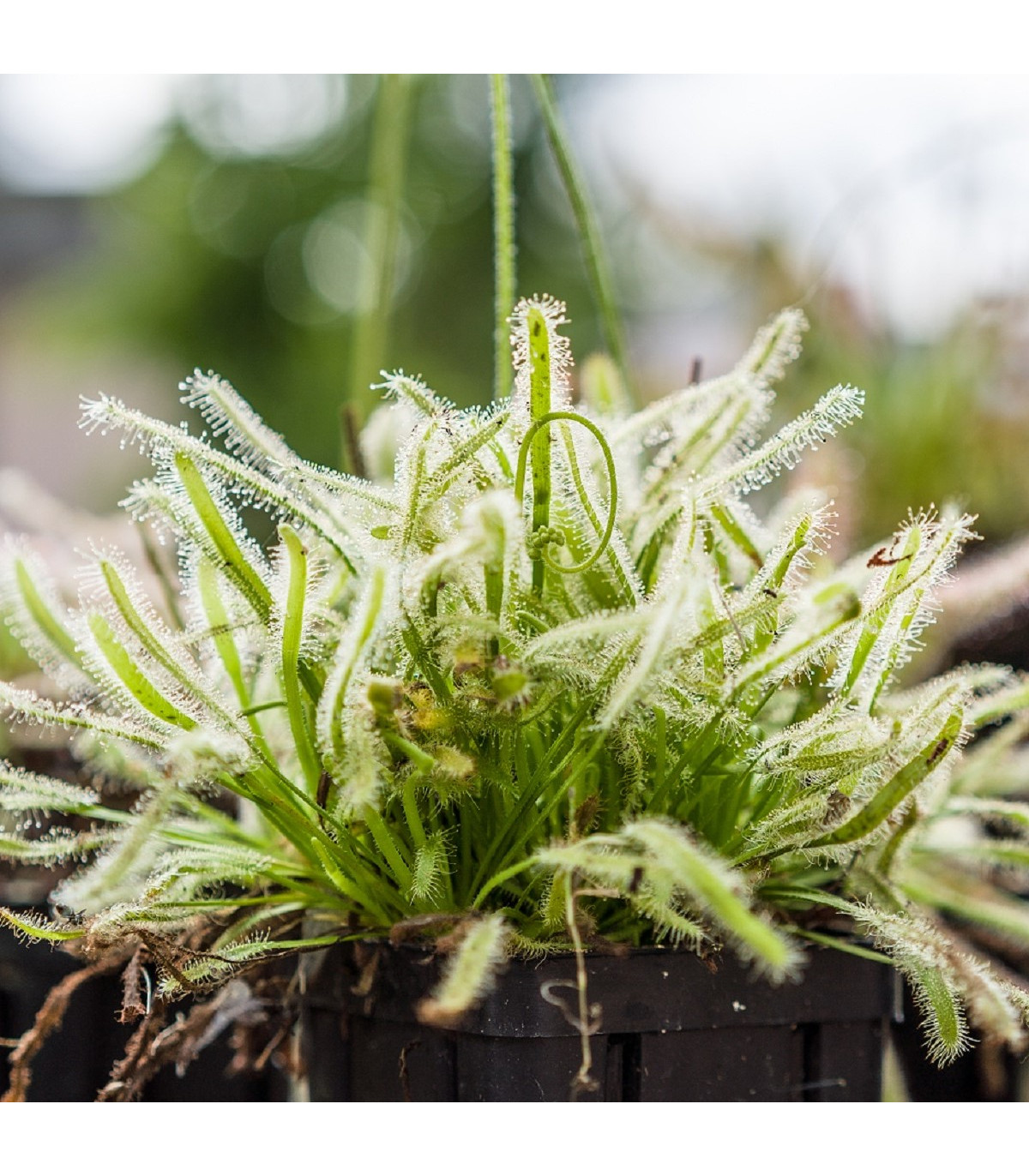
Carnivorous plants
Carnivorous plants are natural enemies of fruit flies and love to feast on them. Some carnivorous plants have sticky leaves, which makes it easier for them to catch small flies. We recommend, for example, the Cape sundew. It has long leaves and can even catch a flesh fly. It attracts insects with the sticky droplets on its leaves, which look like dew. A fly lands on them and gets stuck. Carnivorous plants work more as a preventive measure, but you can still give them a try.
“Trusty” chemicals
Another option is to buy an insect spray that will get rid of fruit flies. Although spray is the most reliable way to deal with fruit flies, it is not recommended for use near food. If you use a fruit fly spray in the kitchen, we recommend removing all food first. After “treatment”, carefully wipe down all surfaces and air the room.
Keep fruit flies away for good
To make sure fruit flies never come back to your home, you can fit insect screens on your windows or balcony. A fine fruit net can also be handy, for example for tomatoes or melon, if you don’t keep them in the fridge.
After that, just keep a careful eye out so that the little fruit flies don’t appear in your home again.
Take a look at our other articles too. We’ll show you how best to organise your desk. Or how to take a professional photo of your property.
Leave a Reply