
How to remove algae from a garden pond and its stones
It never pays to slack off in any garden. Whether it is clearing the gutters or raking the leaves, your garden will not forgive you anything. This also applies, for example, to a garden pond. Would you like a crystal-clear, inviting pond with various fish swimming in it, a beauty you can both show off and enjoy? It takes work, but a place like this can be not only created but also cleaned.
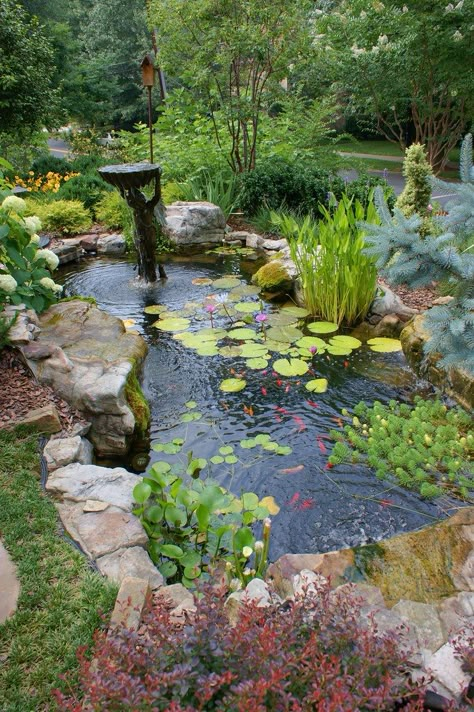
A properly installed pond
The most important thing is to install it properly. Believe us, it is not demanding work, you just need to know how to do it. Once it is in place, we will share a few methods for keeping it clean!
Place it in the shade
A pond does not belong in a spot where the sun beats down all day, because warm water is irresistible to algae. It is better to choose shade or at least partial shade. As for the water temperature in the pond, a sensible depth also matters, and it should not be less than one metre.
A good-quality filter
The right pond filter must contain both a mechanical and a biological component. The mechanical part traps debris, while the biological part serves to multiply starter bacteria, which need to be topped up regularly. The filter needs to be cleaned regularly.
Collect, collect, collect
Remove plant remains and other debris from the pond surface, ideally with a skimmer that can be connected to the filter pump. You can remove sediment, sludge and fish waste from the bottom of the pond with a pond vacuum. You can also drain and refill the whole pond, but this way you risk losing the hard-won biological balance.
Aquatic plants
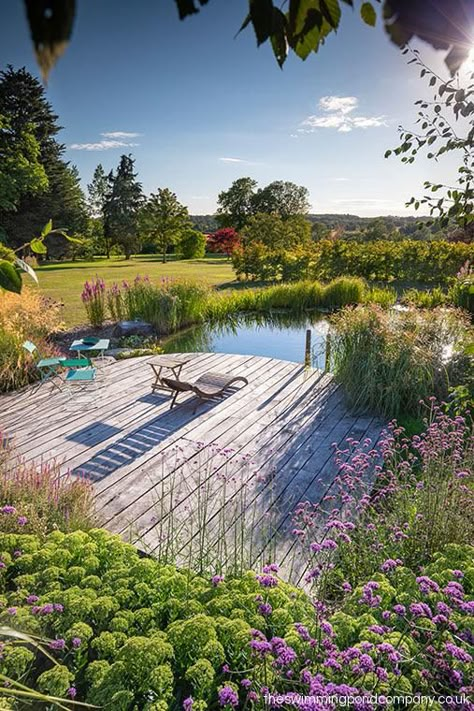
Plants around a pond are always useful. This applies, for example, to aquatic plants, which oxygenate the water and take nutrients and light from it, helping to keep the pond water clean. In small ponds they should cover up to 70% of the surface, in larger ones at least half. Iris, various types of reed and so on could work well for you.
Waterfall
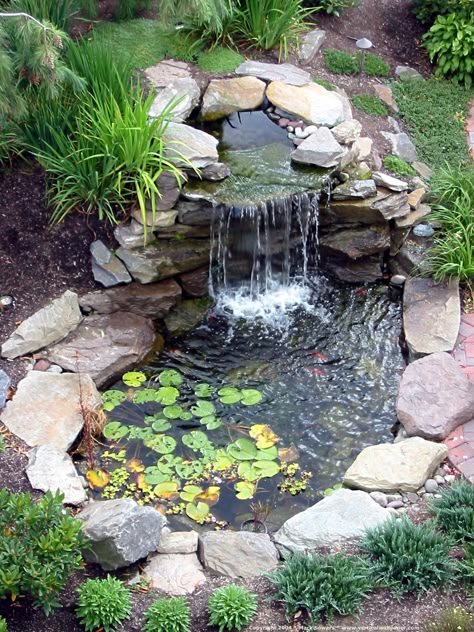
Algae hate circulating, well-oxygenated water. That is why a waterfall could also be useful. How you create it is entirely up to you, but this kind of aeration works wonders.
Do not overfeed the fish
Garden ponds with fish are more prone to algae problems than those without fish. As we have already said, algae love an excess of nutrients, and therefore also uneaten food and fish droppings. So let the fish find food for themselves and give them only minimal extra feeding. Too many fish can also be a problem. Pond filtration systems have a certain filtering capacity, and you must adjust the number of fish to it.
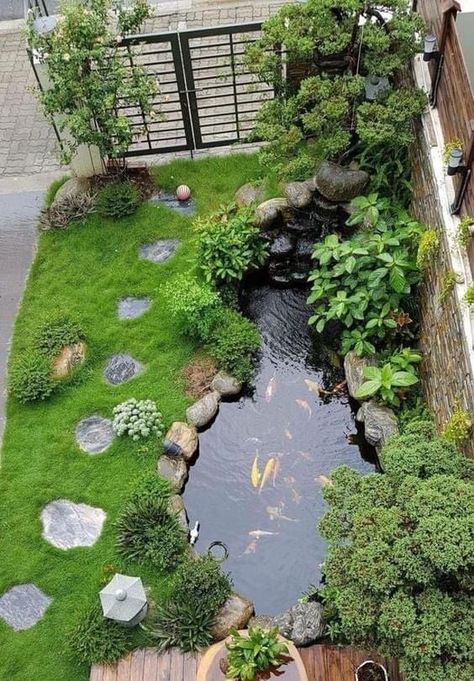
When you sit on your cosy terrace, you will see that you are completely satisfied with how clean your pond is.
Leave a Reply