
5 proven tips for getting rid of moths
A hole in your favourite jumper always spoils your mood. Especially when the culprit is a tiny creature that resembles the most beautiful of all insects, the butterfly. Getting rid of moths is a long-distance run. They like not only fabrics but also food, so it is always a good idea to search your pantry thoroughly. They can also cause you health problems.
Clothes moth
As we have already mentioned, it is a small moth that you may not even notice. They are most often found in damp places or in the wardrobe. Interestingly, it is mainly the offspring that are big eaters. As we have already mentioned, they like natural materials that contain keratin. So watch out for wool, hair, leather, feathers and cotton.
Pantry moth
The most unusual thing about them is that they are two-coloured. Their upper part is light, while the lower part is rather darker. And what do they like? Dry foods, meaning flour, rice and flakes, but they will not turn down tea either. You can also find them in chocolate.
Tips for getting rid of them
There are plenty of old wives’ tips on how to get rid of moths.
1. Hanging sachets
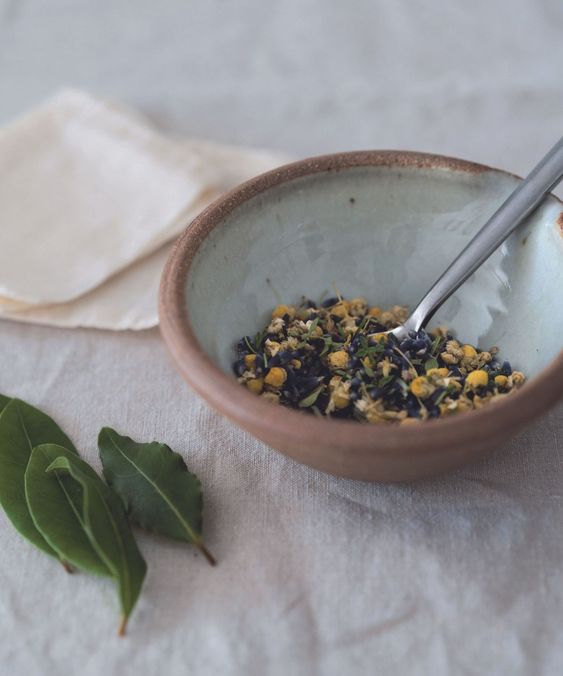
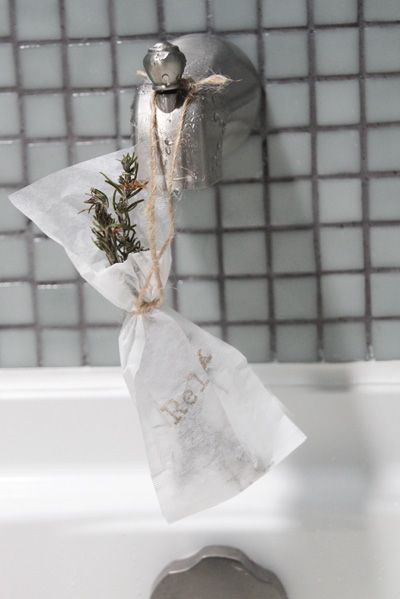
You can hang such a sachet practically anywhere. Above all, put it somewhere you keep clothes or food. Mix herbs such as lavender, bay leaf, cloves, rosemary or thyme, and you are protected against moths. The advantage is that you can grow most of these herbs in a beautiful designer flowerpot in the kitchen.
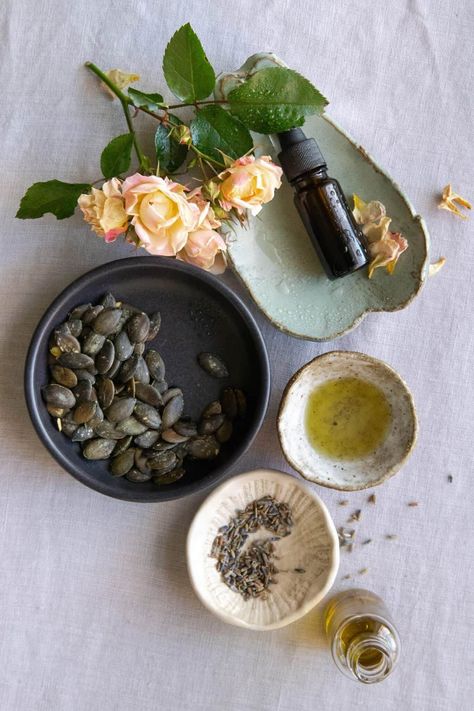
The main advantage of these herbs is their essential oils, which you can dilute and spray onto clothes and other items, or you can use a diffuser with one or more combinations of these oils. As a result, your things will smell lovely.
How do you use a diffuser?
Simply fill an aroma diffuser with water and add a few drops of essential oil. As soon as you switch it on, it starts releasing a pleasant scent. A very safe electric diffuser is often used, which switches off automatically once all the liquid has been used up.
2. Cedar wood
You may remember mothballs, which kept moths out of wardrobes. These small balls contained pesticides such as naphthalene or paradichlorobenzene, which experts now warn are harmful to health. Today, use cedar wood instead, because the fragrant oil in the wood repels moths. Hangers made from this wood will keep moths away from your clothes. But remember that you need to sand them lightly or treat them again with cedar oil every few months to restore their pesticidal properties.
Vinegar can work wonders!
3. White vinegar
White vinegar is a natural cleaning agent that changes the pH of the surfaces it touches. Moth eggs and larvae exposed to white vinegar cannot survive in the acidic environment. Be careful when using white vinegar around the home, as it can damage some surfaces, such as metals, stone worktops and hardwood floors.
4. Storing food correctly
It is better to store uninfested food in airtight containers (plastic food containers or glass jars such as preserving jars). This is an effective, long-term way to stop moths from getting to your food. Do this especially with cereals, grain, flour, dried fruit, nuts and rice, but you should consider it for all foods that are not already in sealed tins or containers.
Sometimes you simply cannot do without chemicals.
5. Traps, traps and more traps
Another way to get rid of moths is traps. They catch and kill adult moths, which also prevents further breeding. They are pieces of sticky flypaper coated with pheromones that attract adult moths. A moth that then lands on the paper can no longer free itself and, unfortunately, dies. Hang moth traps in places that tend to attract moths, such as wardrobes or kitchen storage areas.
Having a hugely successful band of moths at home is no fun. So do not give them the chance to settle in with you.
Leave a Reply