
How to grow and care for a peace lily
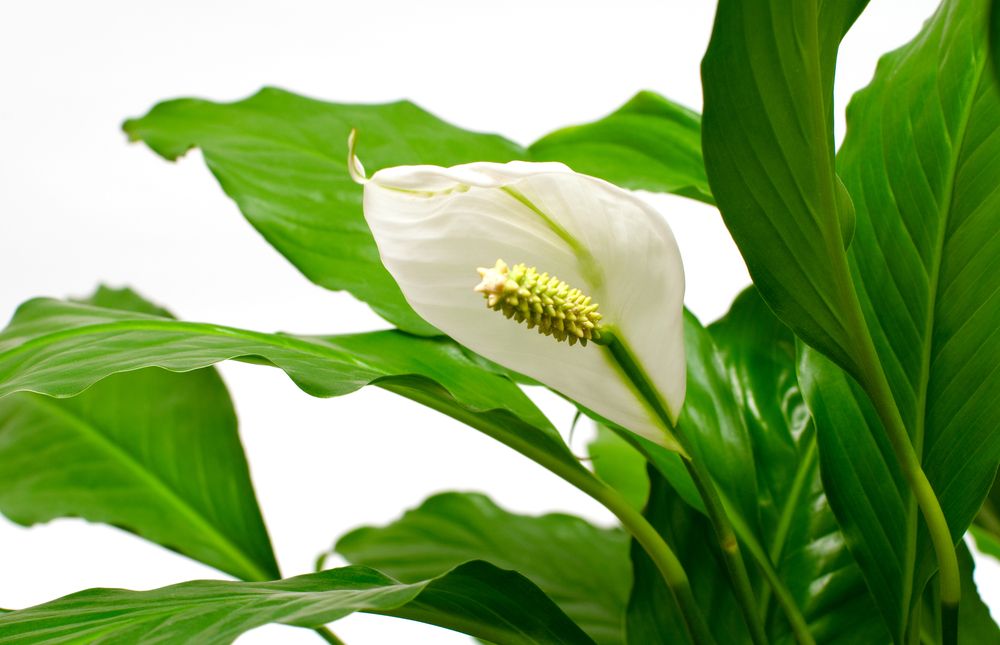
The peace lily is a popular, elegant houseplant with fresh green leaves and white flowers, and it is not difficult to grow. It needs warmth, higher air humidity, sufficient watering and diffused light. If we follow the basic rules for growing it, it will grow beautifully and flower too. We should not place it in direct sunlight, as this would scorch its leaves. Read on to find out how to care for a peace lily and grow it.
Origin of the peace lily
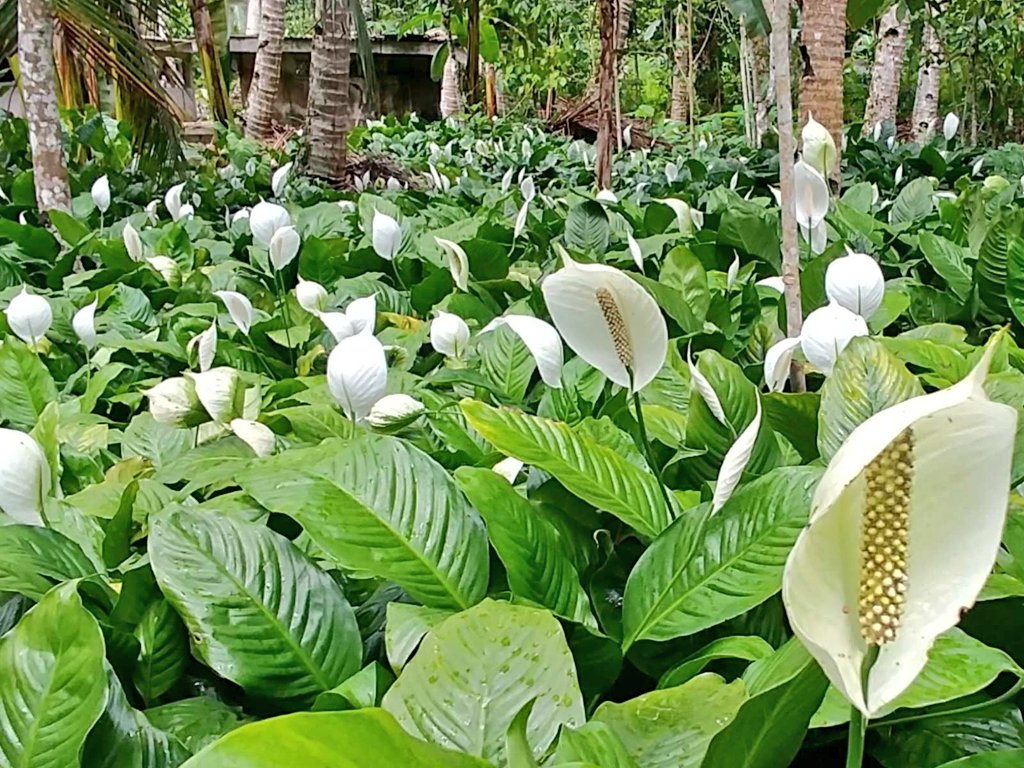
The peace lily (also known as spathe flower, Latin name Spathiphyllum) originally comes from Central and South America. Its ideal environment is in Colombia or Costa Rica. In South America it grows to more than one metre, but in your home it may reach a maximum height of roughly 30 centimetres.
Where to place a peace lily
What is the best place for a peace lily? It will do very well on a small table. Another suitable place for this plant is the bathroom, because the humidity there is sufficient. A great advantage of this plant is that it cleans the air in your home of pollutants. That is why we recommend placing it in the bedroom or the living room, for example. Protect it from low temperatures and draughts.
Do not forget that the peace lily is poisonous. Place it out of the reach of children and animals.

Brown leaves, what to do?
One reason a peace lily may have brown leaves is that the air humidity in the room where it stands is very low. Another reason may be that it is exposed to direct sunlight. Because of this, its leaves turn brown or black spots appear on them.

How to water it?
A peace lily needs sufficient watering. Keep the compost slightly moist at all times, as it must never dry out. It must not be waterlogged either. Do not let water stand in the pot, as the result may be that your plant soon wilts. For watering, use rainwater or tap water, for example. Make sure the water is at room temperature. Water the peace lily three times a week in summer; in winter, watering once a week is plenty. Before you start watering, check whether the compost is dry; if it is, water the plant more often. If, on the other hand, the compost is too moist, it will be better for the plant if you put off watering.
We have already mentioned that the peace lily’s home is Central and South America, where it grows in humid rainforests. We therefore also recommend misting the plant with water from a spray bottle, especially in summer. This will give it a pleasant refreshment during high temperatures.

Feeding
A peace lily does not need much feeding. It will appreciate a little fertiliser in summer or spring, but be careful not to overfeed the plant, as this can damage it. Overfeeding shows itself in the peace lily’s flowers turning green.
Repotting
How can you tell it is the right time to repot? The main sign is that the peace lily has grown so large that you have to water it very often. You can also tell because its leaves turn yellow and the roots grow out of the soil. Repot your peace lily into a larger pot once every two years.
A few final tips:
- Do not forget that peace lily leaves are toxic, so place it where your children or pets cannot reach it.
- If your peace lily is not flowering, the cause may be that the plant does not have suitable growing conditions.
- Treat the plant to regular cleaning of its leaves with a cloth or sponge.
You now know how to care for and grow a peace lily. If you liked our article, also read about how to reliably get rid of fruit flies in your flat or how to organise your desk when working from home on a PC.
Leave a Reply