
Main wall painting techniques for rooms and what they look like
If you want to start painting the walls of your rooms, it helps to know that there are many techniques for painting a wall. Take a look at our article on inspiration for painting rooms as well. Painting a room does not have to be a dull and tiring job. Painting lets you be creative and bring a unique change to your home. In this article, you will learn about the main techniques for painting room walls and what they look like.

Sponging
The first technique we will explain is sponging. Ideally, you need two colours, one lighter and one darker. You can do it with just one, of course, but we recommend choosing two to achieve the desired effect. You do not need any special tools, just a sponge or an old rag. If you like, you can buy special stippling brushes.
Apply a base coat to the wall and let it dry. Then rinse the sponge or rag in water and wring it out. Next, dip it in the paint and dab it onto the wall. Carry on like this until you are happy with the result.
Rag printing
For the rag printing technique, you need a coarse fabric with a textured surface. An old net curtain, lace or corduroy works well, for example. Above all, the fabric must be made of a natural material. Prepare the fabric, soak it in water, then dip it in the paint and press it against the wall. We recommend asking a few helpers to join you for this technique, as rag printing is quite difficult for one person.
Frottage
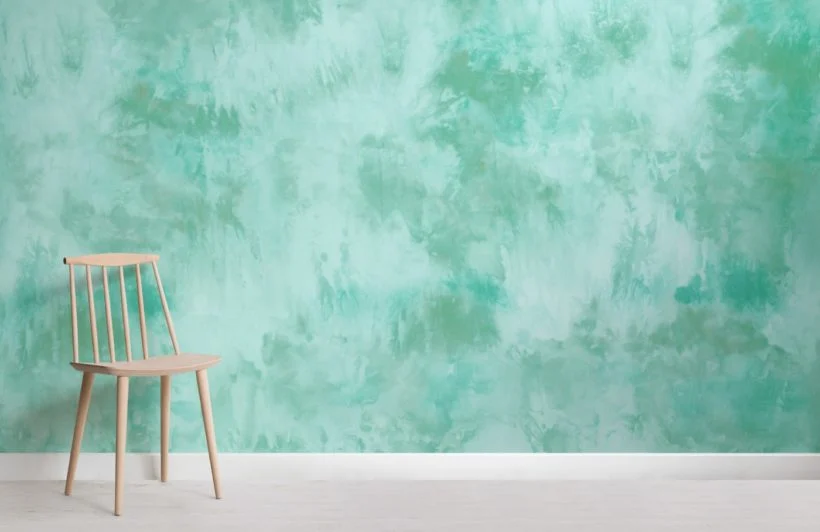
Another technique for painting room walls is frottage. Paint the wall with a base coat, then apply the second coat with a roller or a paintbrush. You can choose completely different colours, but the same colour in different shades will give you an attractive look. While the wall is still wet, press crumpled newspaper onto it and then carefully peel it off. This technique creates an interesting detail on the wall. Once you remove the newspaper, you will see how the coats blend into each other.
Combing
Some people call the graining method combing or scoring. This method involves scoring thin lines into wet paint using the stiff bristles of a paintbrush. Do it in one stroke without stopping. Graining will give you a one-of-a-kind wall.
Stencilling
As the name suggests, the stencilling technique involves using stencils or patterns. This means you transfer a pattern cut out of specially treated paper onto the wall. It can also be cut out of thin plastic or sheet metal. You can use various types of stencils, for example offset stencils or pull-off stencils.

Dry brushing
Dry brushing is a technique in which you dip the tips of a brush in paint and wipe them over the wall with light strokes. You need to prepare the wall surface well before you start. Use colours that contrast with the base. This method is mainly used for repairs or for blending indistinct images.
Spattering
The spattering technique can also easily transform your interior. This method is used mainly on larger areas and even on whole walls. You will need a brush or a mouth atomiser to spatter the paint onto the walls. Using a brush is the easier option. You can easily combine the spattering technique with other decorative techniques.
Venetian and Moroccan plaster
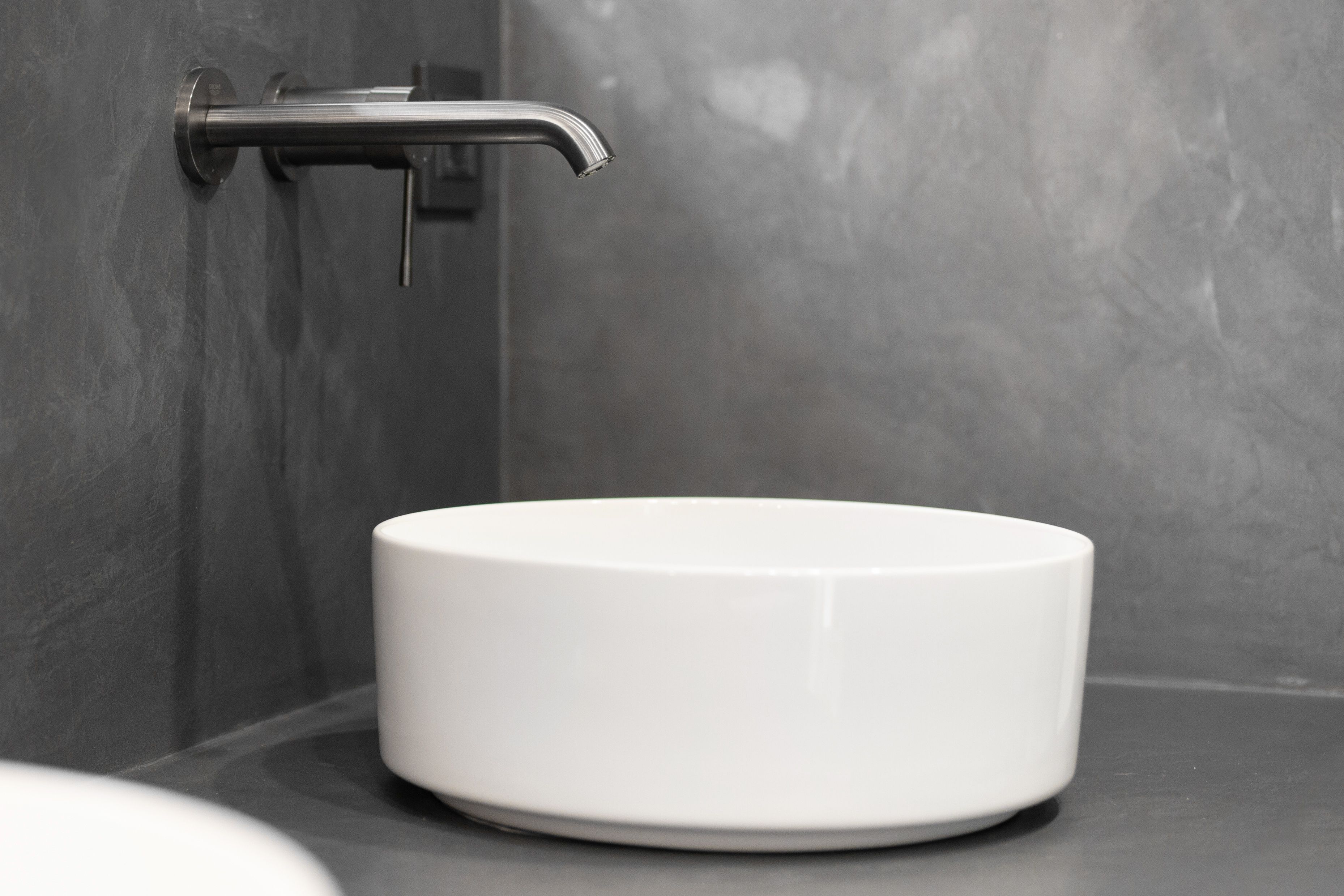
Other wall painting techniques include Venetian and Moroccan plaster. Venetian plaster resembles a high-gloss marble surface and gives the wall a luxurious look. It is easy to maintain and you can apply it to any surface. You can use it in rooms where humidity is high, such as the bathroom. Dust does not stick to it and it is easy to wipe clean. Creating Venetian plaster on a wall is a very complicated job, so we recommend leaving this method to professionals.
Moroccan plaster also looks like a very luxurious surface and is even more durable than Venetian plaster. It differs from it in that it is smoothed with a stone at the end. It contains Moroccan lime, pigments and crushed marble. In this case too, we recommend leaving the work to professionals.
You have learned about the main techniques for painting room walls and what they look like. If you found this article interesting, also read our article on the pros and cons of ceramic tiles or on how to get a building plot for a house.
Leave a Reply