
Zen, the Japanese style of living and how to achieve it
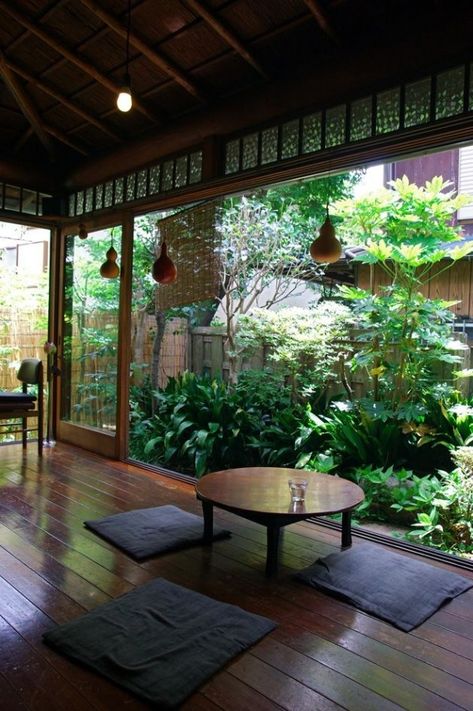
Do you long for a minimalist yet cosy home? The Japanese Zen style masters this demanding discipline brilliantly. Its advantage is that it is highly functional and clean, and it does not burden the mind with unnecessary details. Europe has always been completely smitten with Japan. Perhaps this is because Japanese houses boast ornate roofs on the outside, while inside they are very economical, elegant and simple. Or the reason may be the beautiful Japanese gardens. It is certainly not a lack of prestige. The Japanese simply see a simple life as a better one. They are positively allergic to worldly pleasures, fame and wealth. If you feel the same way, Zen is exactly the right approach to delight you.
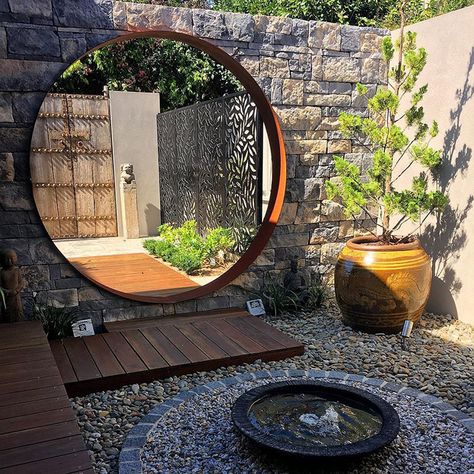
Wood and bamboo take the lead
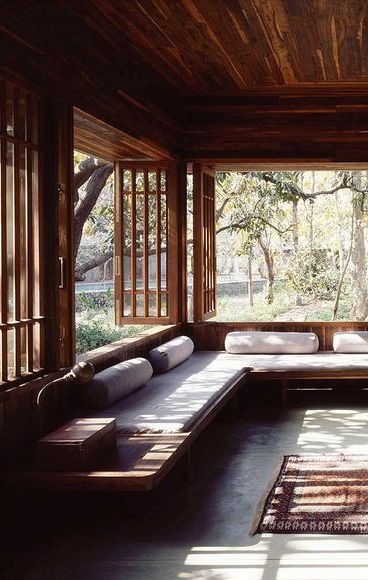
The Japanese not only love wood, they also value it in the interior. It is the basic material from which absolutely everything is made. The second option is bamboo. This is also used to make furniture, and it is a durable material too. So do not be afraid to bring both wood and bamboo into the bathroom, for example. Both materials also work well as accessories.
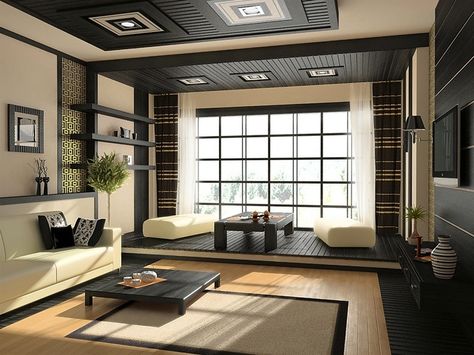
Do not forget about cleanliness
The Japanese Zen style is about cleanliness and calm. So focus on simple, unworked materials, empty space and the occasional natural detail. It is true that it may not appeal to everyone, but give it a try. You should also keep the practical, functional side of things in mind.
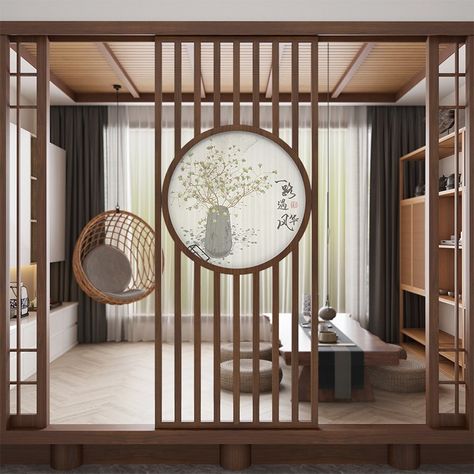
Japanese flats are very well thought out and lack nothing important. During the day, the rooms are used as living spaces, reception rooms or workspaces. But at night, thanks to lightweight furniture, they easily turn into bedrooms.
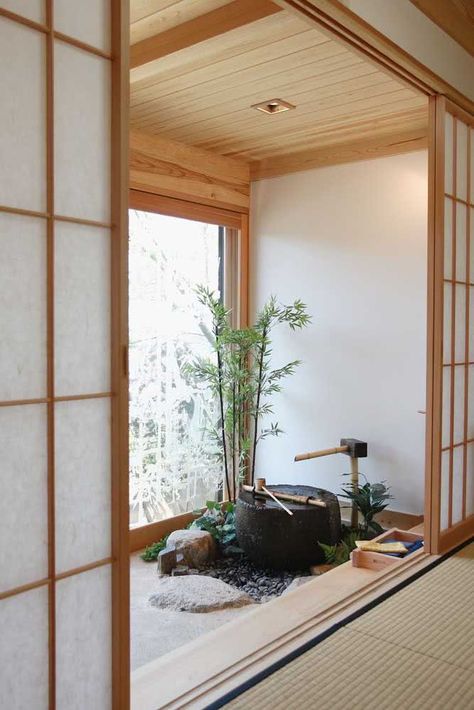
The symbol of mats
Tatami are Japanese mats that you can sleep, walk and work on. They have a wide range of uses. In the evening, for example, try laying your futon (a Japanese sleeping mattress) on the tatami. It is made from natural materials such as cotton or wool. Futons are made from plain cotton fabric without decoration or patterns. Their undeniable advantage is that they adapt fully to the human body and mould themselves exactly as needed.
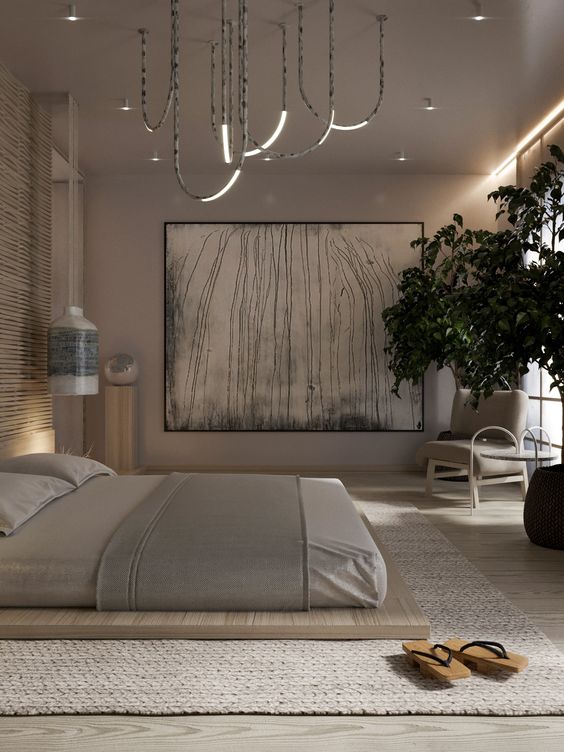
Interplay of colours
Be really sparing with decorations. Instead, try to focus on symbols of good fortune and beautiful reminders of nature. You cannot go wrong with an arranged branch or an interesting bonsai. In Japan, the kakemono is considered the most typical decoration.
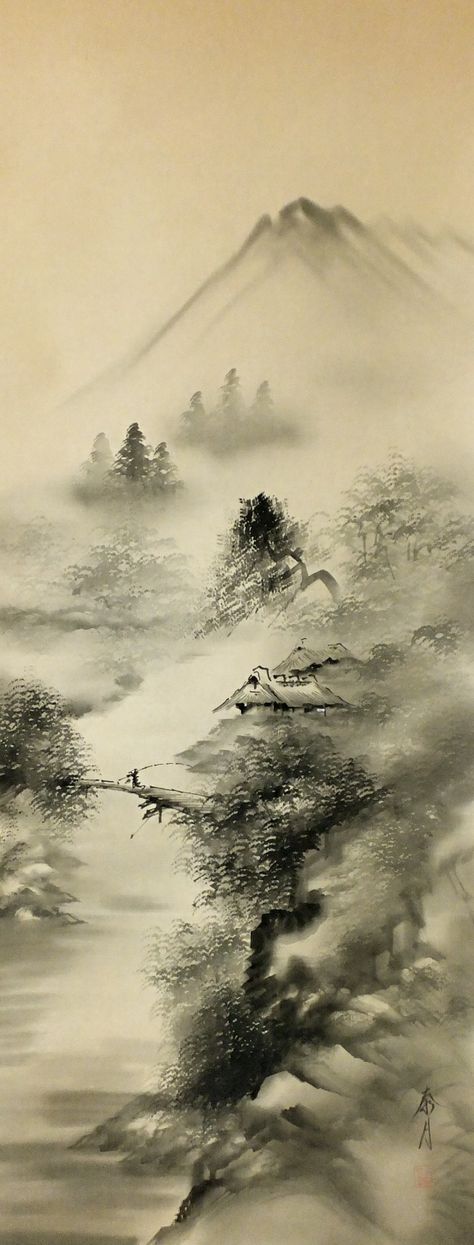
This is a long hanging calligraphy scroll with grey-black ink characters on a light background, which bring strength to your life. As for colours, choose natural tones, nothing artificial. Remember that rooms should feature a combination of white, red, black and gold.
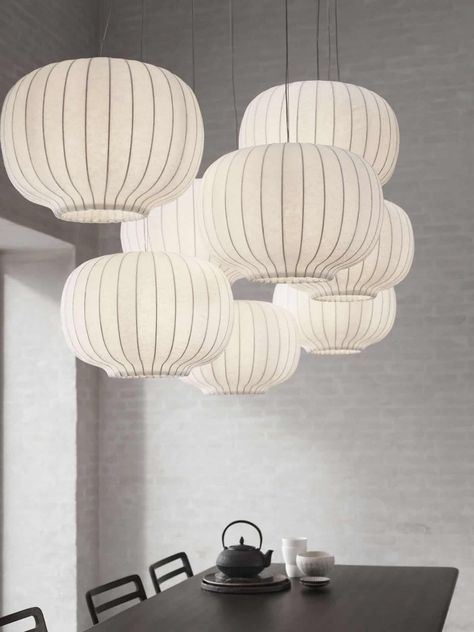
Soft lighting
Do not let overly harsh light unsettle you either. Paper light fittings and smaller lamps are essential for a Japanese home, as they give the interior a pleasant atmosphere. Above all, soft light will calm your mind too.
One rule matters most in the Japanese Zen style. Leave all work obligations at the door. They especially do not belong in the bedroom. Do not even take your phone or diary in there.
After reading our article, take a look at others too, such as 10 ideas for the garden, how to organise a home greenhouse, or what to pack for your holiday.
Leave a Reply