
Tea garden from planting to harvest
A hot cup of tea fixes most things. Even scientific studies confirm that a hot drink helps people feel better and makes them kinder to each other. A tea garden gives strength not only to the tea but to you as well. The herbs you plant here will both strengthen and calm you. It all depends on what you make your tea from. You can buy dried herbal tea almost anywhere these days, but there are still plenty of reasons to make tea from home-grown herbs.
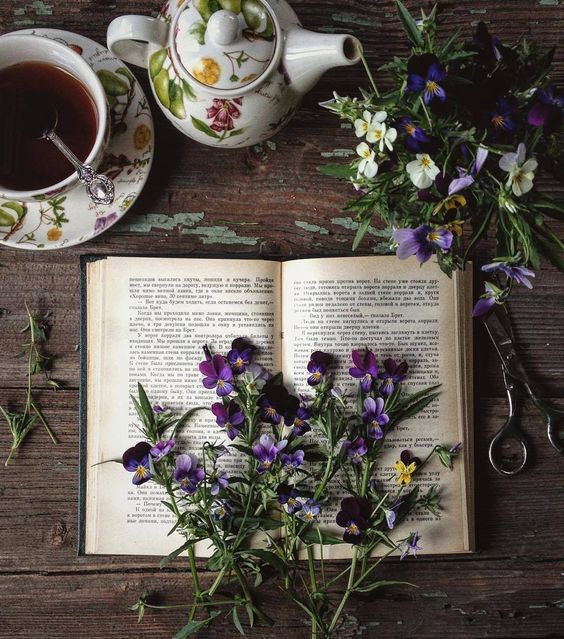
The tea garden and why you should grow one
Let’s face it, fresh herbs are the best. Use them from plants that give you strength, vitamins and nutrients. Commercially sold teas are dried so that they keep for a long time, but they lose important substances during the drying process.
And what are the other reasons to start a tea garden?
- You know exactly what your tea contains. Not long ago, quality tests found traces of pesticides and other banned substances in herbal teas (even organic ones).
- You can create your own blend to suit your taste. Perhaps you are not a big fan of chamomile tea, but if you add lemongrass or lemon balm, it gets just the right kick.
- Many herbs from the tea garden can also be used in the kitchen, so you no longer need to buy extra seasonings.
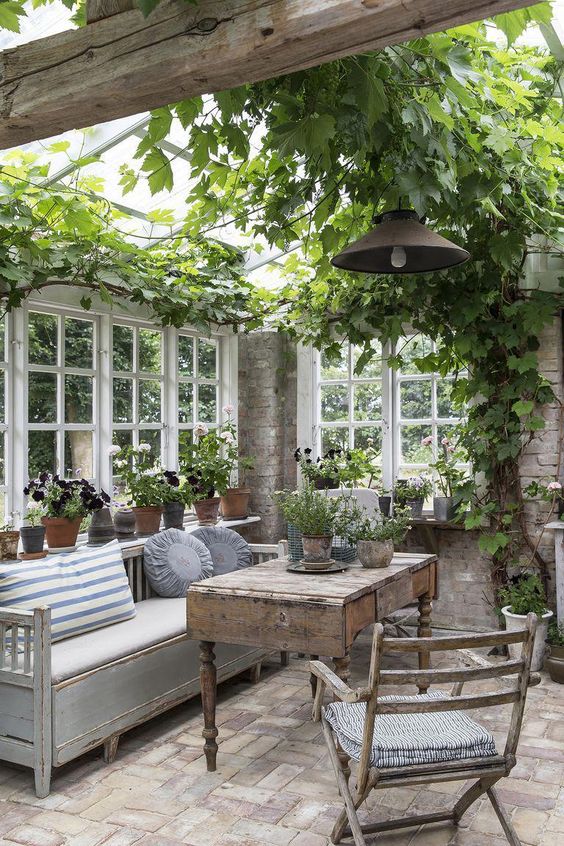
How to create a fragrant tea garden?
A tea garden creates a cosy, fragrant spot in any space. Remember that for the plants to thrive, you need to think about how best to arrange them. Many aromatic plants come from the Mediterranean, so they love the sun. The rule here is that the more sunshine a herb gets, the more fragrant it will be. That is why a tea garden should ideally face south. Some smaller herbs prefer partial shade, so they will be happy on the shadier side of a rock garden. Plants that need more moisture should definitely go on the lower levels.
Which herbs to grow?
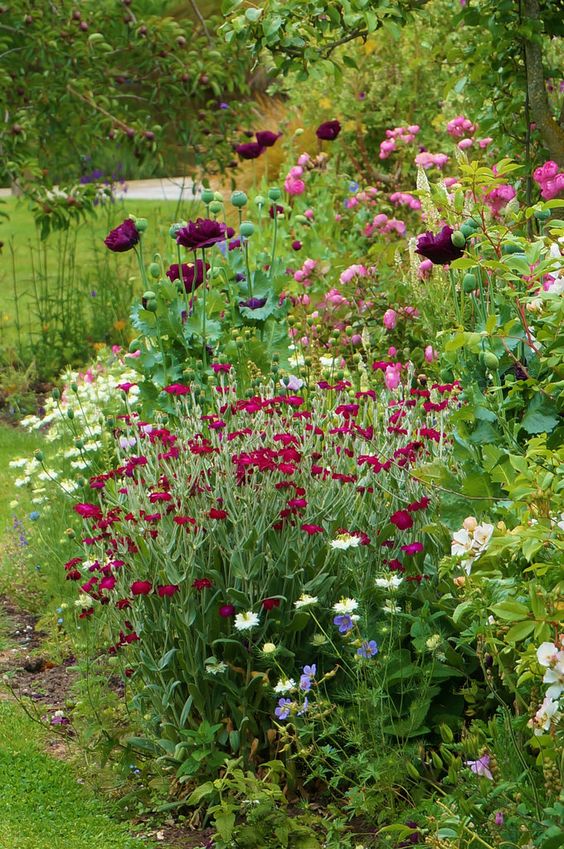
Which herbs you choose is entirely up to you. If you combine them sensibly, you can create your own tea blend. However, it is always better to read up on the individual plants first. Below you can read about the most common and most delicious herbs that should not be missing from your tea garden.
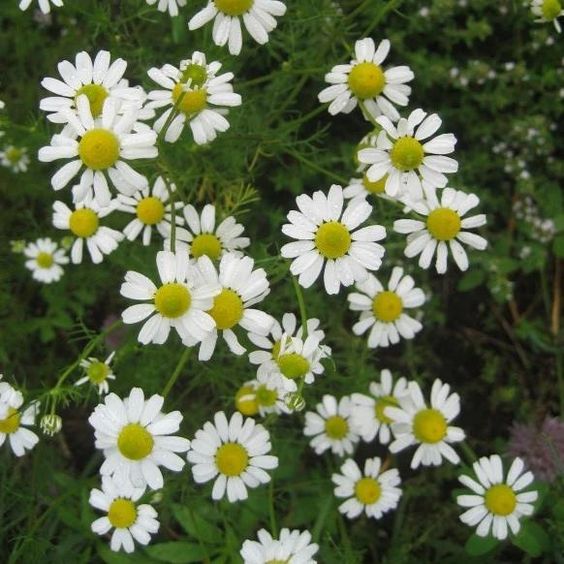
Chamomile
It is known for its calming effects. Just one cup of this tea will help if you have trouble falling asleep or sleep restlessly, and you will also appreciate it if you suffer from urinary tract infections.
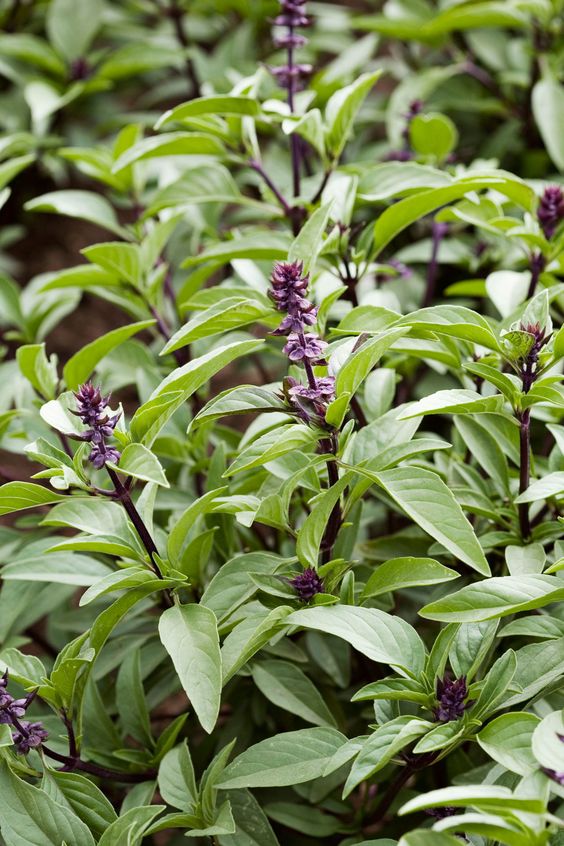
Mint
Its essential oils aid digestion and ease digestive problems. Like chamomile, it helps you calm down, and it clears the sinuses when you have a cold.
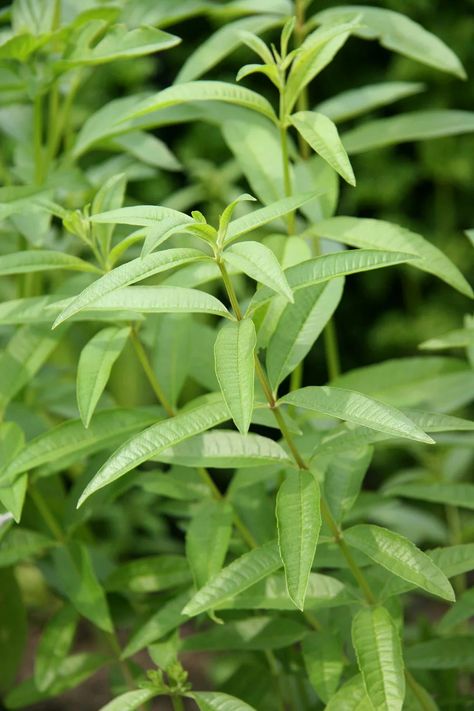
Lemon verbena
The leaves have a very refreshing effect. If you add them to tea, they will help with digestive problems. In summer, you can make it as an iced tea, which tastes great and is refreshing too.
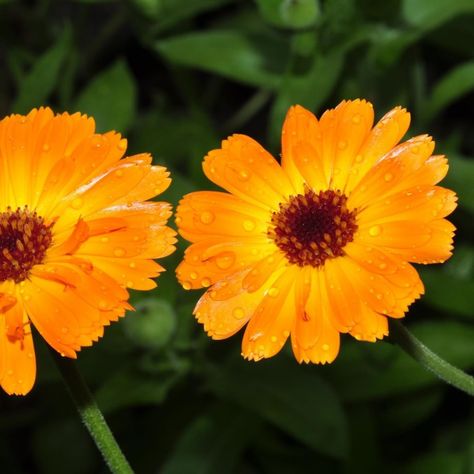
Marigold
It is ideal if you have stomach trouble or a bladder infection. It also helps remove toxins from the body and cleanses the liver and gallbladder.
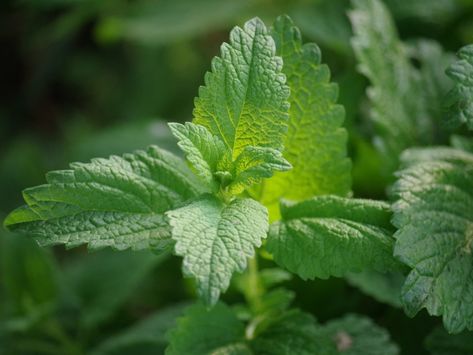
Lemon balm
Another herb that is ideal when you cannot sleep. It reduces stress, calms and relaxes. It also aids digestion and has antiviral properties.
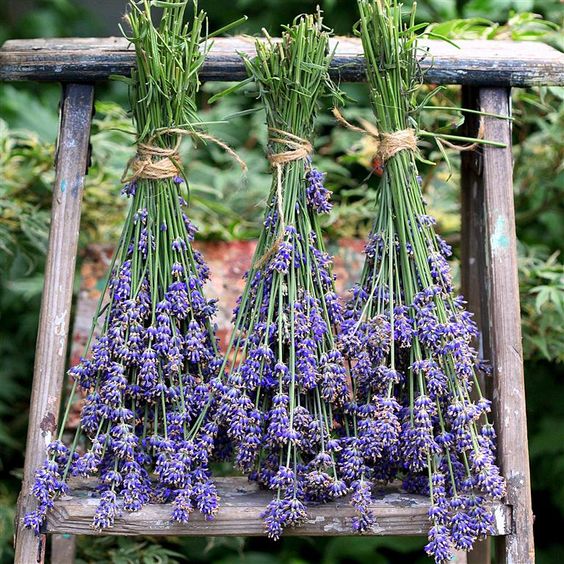
Lavender
It is used to soothe skin problems and in aromatherapy. It also helps with insomnia, hot flushes and headaches.
You can create a tea garden on a large or a tiny area, around pergolas, gazebos, in a corner of the garden and so on. They are especially striking in the evening, when Japanese lanterns and torches create a unique atmosphere.
When you have finished reading our article, take a look at more ideas: which herbs to grow on a balcony, tips on how to arrange a greenhouse, or what keto fruit is.
Leave a Reply