
Portuguese interior style and what makes it special
What comes to mind when you hear the word Portugal? Yellow trams and the fantastic world of sardines. Portugal may be small, but it has so much to offer. Describing the Portuguese style of home decor is not entirely simple. The Portuguese are a nation with a rich cultural heritage, and after all, we can see this in their decorations and their approach to life. If you have an attic home, this style might be just right for it.
Patterns take centre stage
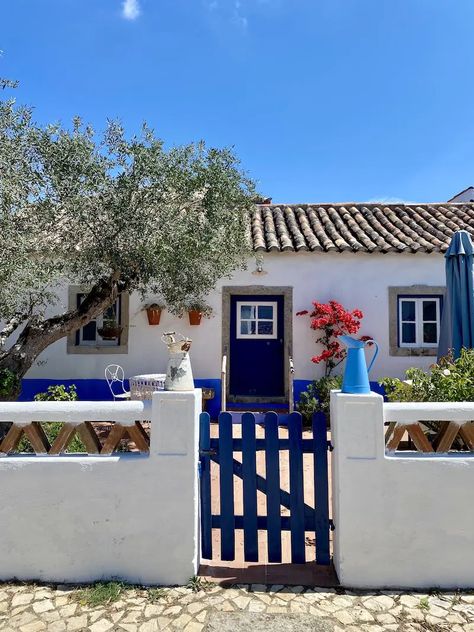
The Portuguese style of home decor is above all about decorative heritage, which includes creative patterns, materials and objects. We can see a certain similarity with the Spanish style. Interestingly, Portugal itself differs from region to region. In the south, you will find single-storey dwellings. They are usually whitewashed and decorated in blue, ochre or red tones. In the north, on the other hand, houses are more stony, built of granite or slate. You will always find common features in the kitchen. In such rooms, there is often a small statue of a saint who protects the household, and a nearby sideboard is painted with fruit from any season of the year.
Typical Portuguese decor is lively and cheerful. There are rugs and blankets with colourful embroidery. The most popular are textiles and porcelain. They are usually decorated with all kinds of rare birds, flowers, fruit, human figures or horns of plenty, along with wood and natural fibres, tiles and cork. It is a varied combination of colours, patterns and textures that reflects the country’s cultural heritage. Aesthetically, this translates into a pleasant setting that reflects a mix of Mediterranean, African and Arab influences. Portuguese style is simply full of inspiration.
Decorations that characterise Portugal
So which items should you buy most often if you want a Portuguese style home?
Azulejos
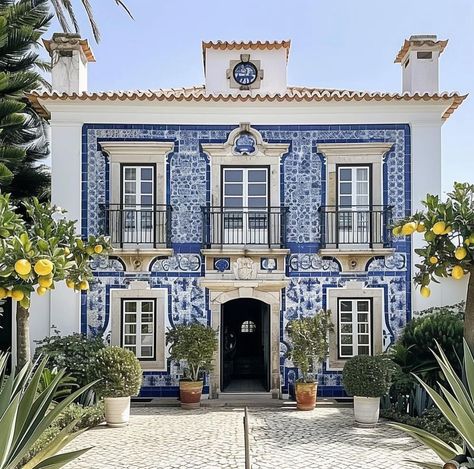
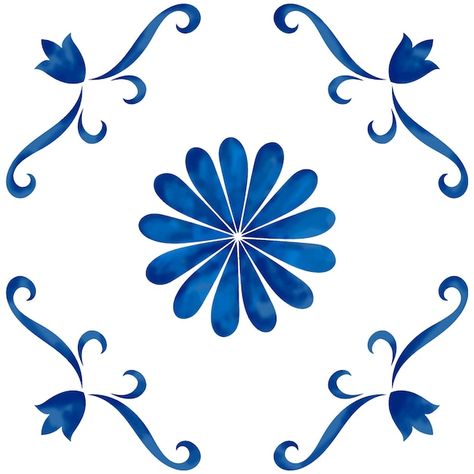
These are beautiful tiles, a true national treasure, which express artistic Portugal. That is also why Portugal is called the tile capital of the world. Believe us, in every corner of a home you will find a piece of some beautiful pattern that will also suit your own home. The most typical ones are blue and white. The name azulejos actually comes from the Portuguese word for blue, azul. In interiors, however, it is not only the tiles themselves that are used, but also their patterns, which find their way into all kinds of interior elements and decorations, whether in bathrooms, kitchens or living rooms.
Cork
Portugal is one of the largest cork exporters in the world, a product that in recent years has made its way into almost every room in Portuguese homes, whether as wall cladding, thermal insulation or as part of furniture pieces, crafts or decorative accessories.
Textiles
Portuguese textiles are known for their high quality, variety and richness. Through textiles alone, you can take a journey and discover the diversity of this country. Arraiolos rugs, Alentejo blankets, Serra da Estrela Burel, Alcobaça chita (a traditional Portuguese cotton fabric), crocheted doilies, Viana embroidery or bobbin lace are examples of the wealth of colours and patterns inspired by the country’s history. And these are exactly the kinds of fabrics you should have too.
Ceramics
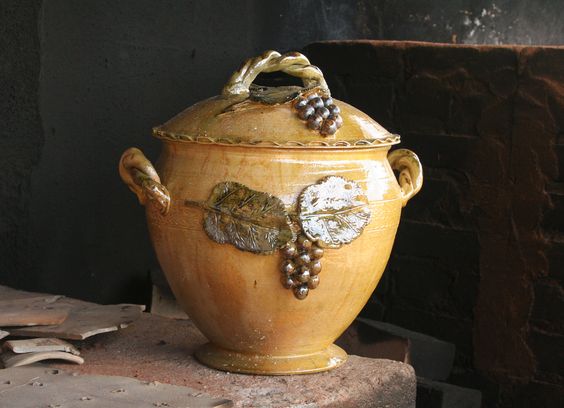
From Saramenha ceramics, which are clay pots and chorizo roasters, through the black clay of Bisalhães, to Alentejo and Algarve ceramics, which decorate the region’s typical chimneys.
Porcelain
Vista Alegre is one of Portugal’s ambassador brands. Portuguese porcelain is traditionally characterised by micro designs inspired by nature. Flowers, birds, branches and leaves are common themes and lend the setting elegance and classic romanticism.
Furniture
Pieces made of dark wood, such as mahogany, walnut and cherry, characterised by carvings and detailing. Well-known examples include Alentejo chairs, “heart” chairs, “rabo-de-bacalhau”, Gonçalo, or the “Caravela”, one of the pieces by the legendary Olaio brand.
Lighting
Light fittings are made of metal, such as brass or wrought iron; of wicker or straw; of ceramics or glass, such as that from Marinha Grande.
We have not forgotten the symbol of Portugal either, the Barcelos rooster. It represents Portuguese folklore at international tourism fairs. Have no doubt that wherever there is a Barcelos rooster, there is surely a Portuguese soul.
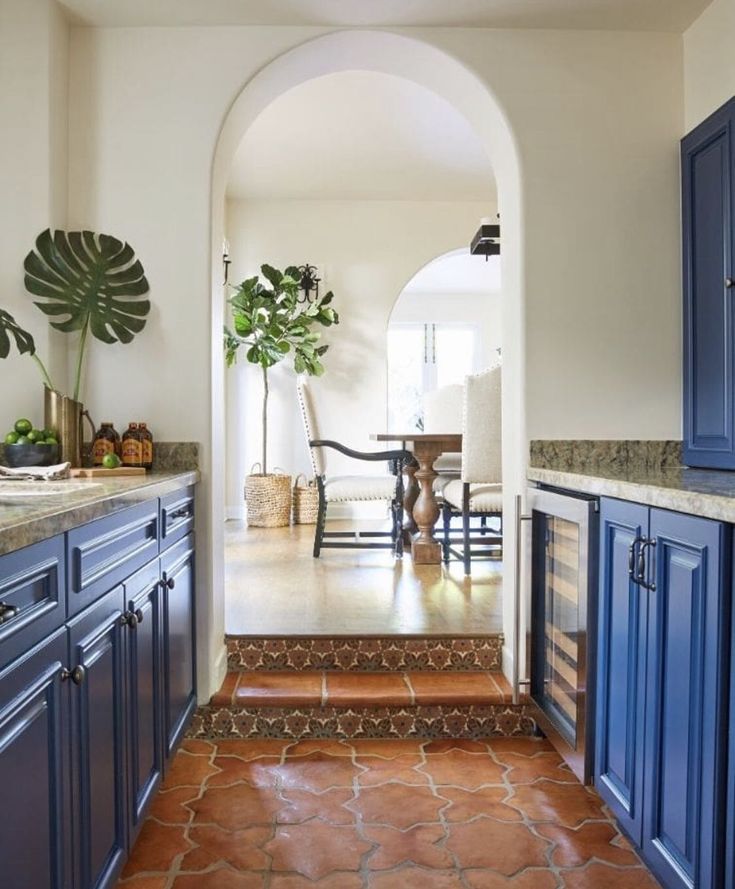
If you long for a truly unique look for your home, think about including these patterns in your interior. Not only are they a modern trend, but Portuguese patterns can make a home properly cosy and give it a certain rustic feel. They are not ordinary, unremarkable accessories but key elements of the interior. You can choose, for example, floor tiles in the form of azulejos or vinyl flooring with traditional Portuguese patterns. Choose, combine and don’t be afraid.
Source: idealista.pt
Leave a Reply