
How to make the most of a kitchen corner
Remodelling a kitchen involves plenty of important decisions, and how you use empty corners is no exception. If you want to save a considerable amount of money on standard cabinets, it is worth considering whether to invest in a corner kitchen instead and try to fill the empty spaces effectively. Discover with us effective ways to make the most of kitchen corners and gain not only extra storage space but also a cosy place to sit.
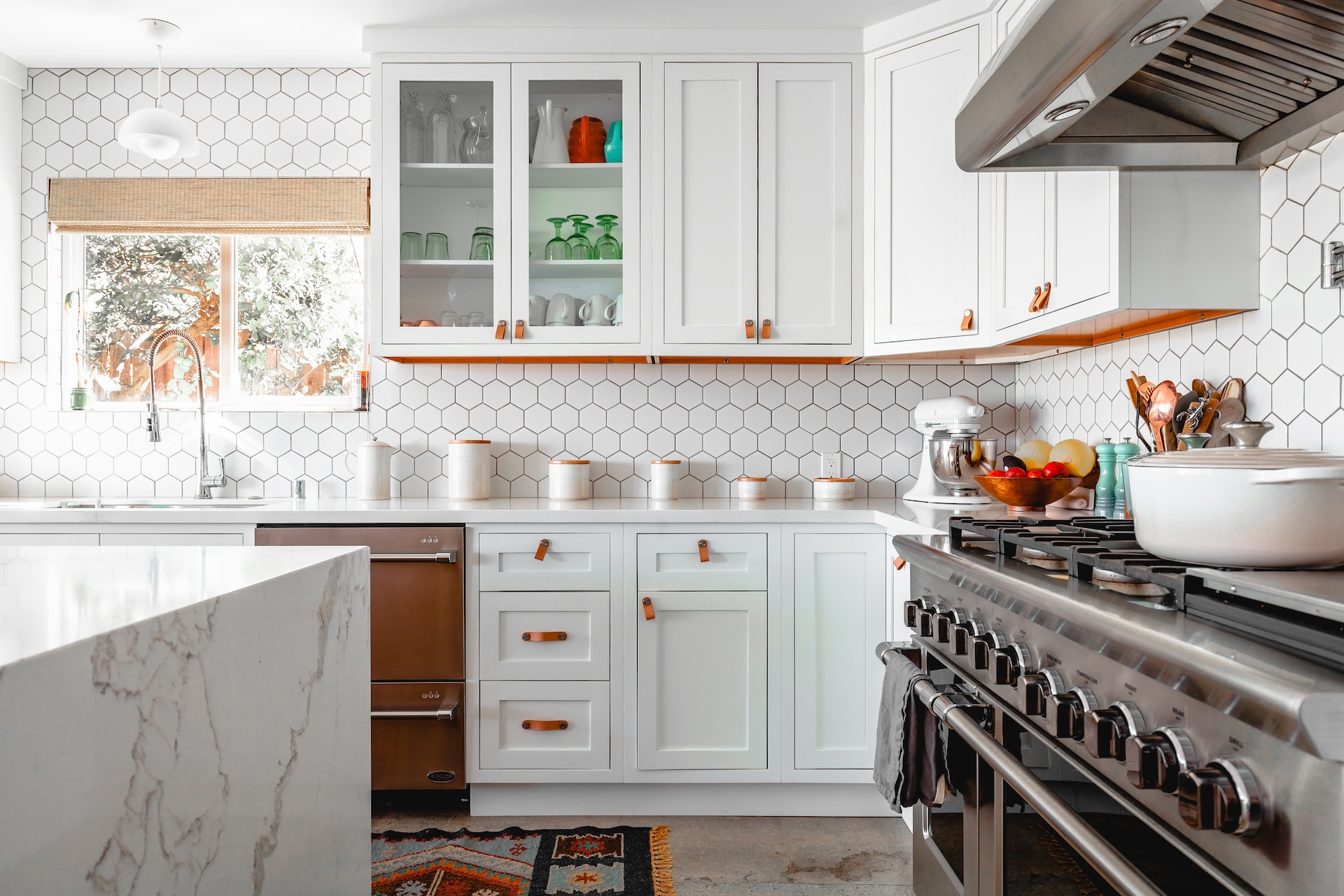
10 ideas for creative kitchen corner solutions
We present 10 tips to help you create a functional and modern kitchen where you will love spending time.
“Invisible” corners
The so-called blind corner solution for kitchen units is one of the most effective ways to deal with the empty space created where two standard cabinets meet. You can reach the empty space by opening both cabinets at once.
The obvious drawback is that although you gain extra storage space, the problem of access remains. When you want to use the dishes stored in the “invisible” corner, you have to kneel down or bend over quite far, which can cause difficulties, mainly for older people suffering from back pain or dizziness.
However, the space can be used not only for storing kitchen utensils but also for a rubbish bin, which you can neatly hide away while preventing unpleasant odours from spreading.
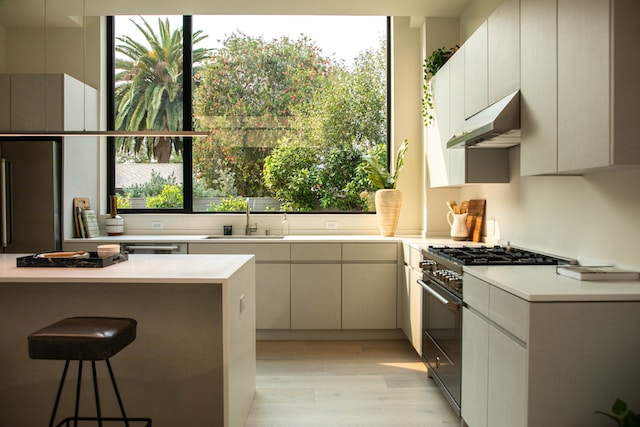
Modern pull-out corner shelves
Classic round carousel shelves let you store dishes, sieves, pots and pans neatly and in the order you usually use them. They are easy to reach: a gentle turn with your fingers brings round the item you need.
Of course, you cannot avoid bending altogether, but the space as a whole is more accessible than the first option mentioned and, in the end, slightly more practical. The biggest drawback is therefore not access as such but the tight fit, which means you need a system for stacking individual pieces of cookware.
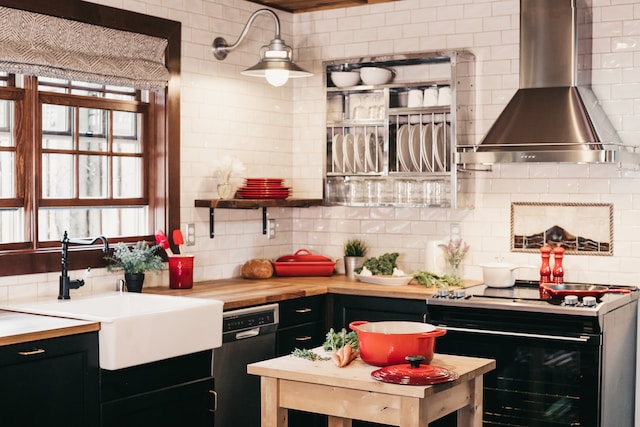
Pull-out drawers
If you want to gain as much storage space as possible and plan your kitchen so that it can cope with lots of dishes and other kitchen utensils, pull-out drawers are the right choice for you.
Corner cabinets with two, three or even four drawers give users quick access to stored dishes along with plenty of storage space. You can gain more room by buying deeper cabinets, which can hold less frequently used household appliances. Their overall look resembles the movement of an accordion, adding an interesting dynamic to the look of your kitchen units.
Internal swing-out shelves
Another way to store bulky pots and pans is so-called swing-out pull-out shelves, which are gradually catching up with classic carousel shelves. Their main advantage is that they bring kitchen utensils out of the cabinet and right in front of you, which greatly reduces the need to bend and stretch awkwardly. Although they do not offer as much storage space as “blind corners”, they are well worth it for the accessibility and comfort they provide. Bear in mind, however, that they are more expensive.
Diagonal cabinets
You are unlikely to come across diagonal cabinets on the market, but a skilled carpenter should have no trouble making them. They are an unconventional visual feature that lets you fill all the free space and gives your kitchen a modern touch. They can fill either the whole corner space or just part of it. Thanks to diagonal cabinets, you will save a lot of time in the kitchen, as the dishes you use most often will always be close at hand.
Choosing a suitable kitchen sink
A corner kitchen sink is a practical solution for smaller kitchen units. You can choose a sink with a draining area for dishes on both sides, one of which can be deeper for easily putting down cutlery and other utensils. If you also want to use the space behind the sink, you can choose a decorative raised shelf for a kettle or coffee maker.
Using so-called dead spaces
It is important not to confuse maximising free space with wasting it. In older kitchens that you do not plan to replace at the moment, it is better to leave hard-to-reach corners empty rather than trying to create space for dishes and kitchen utensils there. Instead, use the space for a broom or other tools, for example, which can be close at hand yet out of sight.
How to create seating areas?
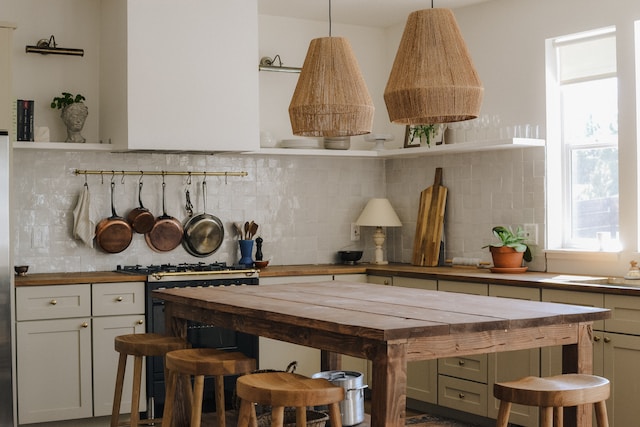
If you would rather give up storage space for comfortable seating for guests, a built-in banquette is a creative way to achieve this. Bear in mind, however, that you will not fit more than two bar stools at a corner island, so if you plan to entertain a larger group, it is better to invest in an island that serves not only as seating but also, thanks to the cabinets underneath, as hidden storage.
Incorporating a built-in pantry
If you want your most frequently used ingredients always within reach, you can replace corner cabinets with a neat built-in pantry. If you are designing completely new kitchen units and are thinking of incorporating a pantry into the corner, consider whether it would suit you to have the cooker on its left and the kitchen sink on its right. This layout could speed up meal preparation considerably. Bear in mind, however, that built-in pantries designed for corners are considerably more expensive.
Pull-out racks for household appliances
Keeping a hand or stand mixer, toaster or food processor on the kitchen worktop can greatly limit your room to handle individual utensils and to cook. These appliances are also heavy, so storing them in base cabinets may be no walk in the park for your back muscles either. The problem is solved by deep pull-out racks, where you can neatly store bulkier appliances and use them only when you really need them.
How to organise the inside of your kitchen?
Organising the inside of your kitchen units should always start with a thorough clean. First, take all household appliances and kitchen utensils out of the cabinets, racks and shelves, then clean the storage spaces thoroughly by wiping away dirt and dust and placing non-slip liners in the cleaned areas.
The next step should be sorting the individual kitchen items. It often happens that you stop using smaller household appliances in particular (a bread maker, ice cream maker or waffle maker) after a while. It is better to sell or give them away and gain more free space.
Finally, all that remains is to arrange all the items strategically so that everything is within reach when cooking and baking, while leaving you enough room for the preparation itself. Let us look at a few tips for neatly organising the inside of your kitchen:
- Place everyday items such as mugs, glasses and cutlery near the kitchen sink or dishwasher.
- Create so-called zones. One zone can be a coffee station that includes not only the coffee maker itself but also coffee beans, coffee filters and, last but not least, your favourite mugs.
- Always keep a cloth tea towel or its paper alternative close at hand. Place a practical kitchen roll holder near the kitchen sink. Arrange frequently used pots and pans in a similar way and place them near the hob.
- Fill the upper drawers and shelves with utensils you use less often. There is also room here for ornamental plants or decorations.
- Store seasonal kitchen equipment, such as biscuit cutters or an Easter lamb cake mould, together with festive decorations in the pantry or cellar.
Leave a Reply