
How to wire sockets in series
If you are planning electrical wiring in your home, whether old or new, think about how the sockets will be wired too. These days we have more and more electronic devices at home, so you may easily find that the standard number of sockets is not enough. Most people therefore try to solve this by putting more sockets on one circuit than is recommended (the recommendation is 10 sockets per circuit). Remember that every circuit must be protected by a circuit breaker of the correct rating.
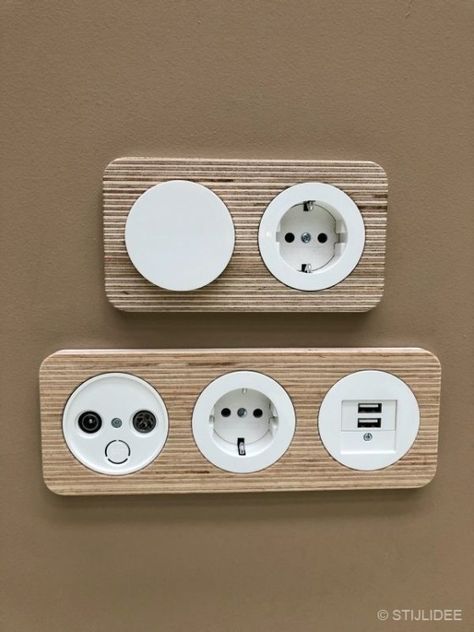
Looks matter too
You know best what you need, so choose an option that will also suit you in the future. You may think you are not considering appliances such as a tumble dryer or a dishwasher right now. But are you sure that will still be the case in a few years? A couple of extra sockets may well come in handy later.
When it comes to sockets, you can never have too many.
Outdoors, use sockets and switches with special protection against moisture, rated IP44 or higher. Just remember that sockets must not be installed in bathrooms in the area around washbasins and baths!
Drawer options
Stacked drawers
The most common use of this type of drawer is in a bathroom, for example in a vanity unit. The drawers are stacked one above the other, so all you need to do is choose the width of the unit, which also determines how much storage space you get. A bonus is how easy it makes organising things in the bathroom. As a rule, put small items such as toiletries and cosmetics in the top drawer. Use the bottom part for things you do not use as often or that are too big to fit in the top drawer.
Side-by-side drawers
An alternative and increasingly popular option, especially in larger bathrooms, is a vanity unit with drawers side by side. It is no wonder. They cope perfectly with the need for plenty of storage space. In a small household, for example, each person can have their own drawer. And if even that is not enough, you can combine this option with the previous one to get two rows of drawers.
Remember
- consider an automatic switch with a timer.
- Switches should be placed at a height of 120–140 cm so that even a three-year-old child can reach them.
- Do not be afraid to place sockets as low as possible near the floor or even in the skirting board.
- Choose sockets with child protection.
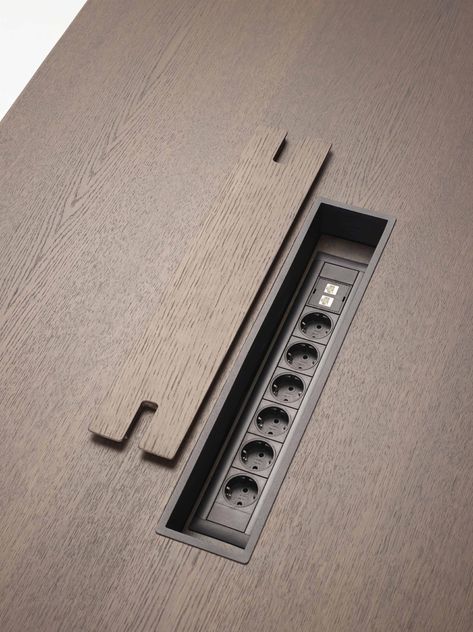
Whatever you decide, make sure they are wired correctly. If you do not feel up to doing it yourself, there is no need to be embarrassed. Quite the opposite. There are plenty of professionals who will be happy to help you wire them.
Leave a Reply