
How to use a smart rat trap
Many people go weak at the knees at the sight of them. They particularly like to hide behind kitchen units, where they find ideal shelter and an easy source of food. If you like rats and similar pets, you will not need to worry about catching them. But if you are one of those looking for any kind of rat trap, some of these tips will certainly come in handy. The brown rat is a very intelligent animal, and it is definitely not easy to get rid of.

What is the difference between a brown rat and a black rat?
Before you set any trap, let us look at how to recognise a brown rat. Both the brown rat and the black rat belong to the murid rodent family. However, they differ in appearance and behaviour. The brown rat is larger and stockier than the black rat. Its tail is shorter than its body, and it has a blunter snout. The black rat is slimmer and smaller. It has large ears and is darker. The black rat is a better climber than the brown rat. The black rat also prefers a more plant-based diet than the brown rat. Interestingly, both rodents resort to cannibalism within their own species.
How to choose a rat trap
Trap material
If you want your rat trap to last several years and to be reusable, it is best to buy one made of galvanised wire. The material will not rust or break down on contact with droppings.
Wire thickness
Next, check carefully what the wire of the rat trap is made of. It should be at least 1.5 mm thick so that the trap is sturdy and really lasts.
Size
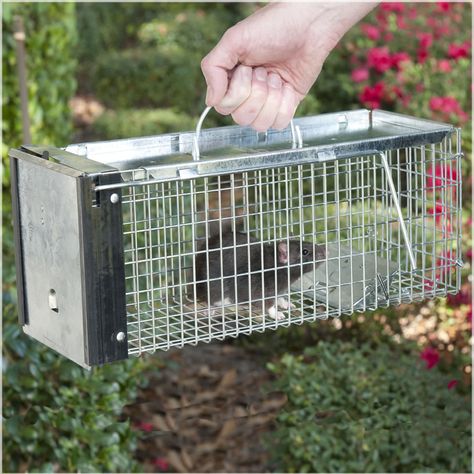
Bear in mind that the brown rat grows up to 27 cm long. So a single-entry trap should be at least 30 cm long. If your trap has two entrances, we recommend a length of at least 60 cm.
Entrances
As we have already mentioned, a rat trap can be single-entry or double-entry. Each type has its advantages and disadvantages. A single-entry trap can be used anywhere, especially where space is limited. However, if you have a room where rats like to roam, definitely buy a double-entry trap. This increases your chances of a catch.

Types of closing mechanism
There are two designs you can buy for catching rats. We recommend the drop gate system if you want to use the trap in water. Once the mechanism is triggered, the door immediately drops down. The second type is a trap with a closing bridge system. The door closes inwards and has a safety catch to stop it opening.
Choose a suitable spot
Once you have chosen the mechanism, the next step is to find the ideal spot for catching. It is best to pick a place the rat likes to visit or where you find its droppings. Place the trap, for example, in a barn if you keep animals, or in a corridor where rats might appear.
Make one at home
There are plenty of traps you can choose from and try out on your rats. The simplest is a bucket trap. Put a piece of bread, dog kibble or cheese in the bucket as bait. Lean a plank against the bucket so the rat can climb up into it. Attach a tipping bridge to the rim; the animal steps onto it and your pest is left trapped in the bucket, from which it certainly will not escape easily.
Another option is to make a trap from a plastic bottle. This is for when you do not want to harm the animal. Coat all the inside surfaces of the bottle with cooking oil. Cut off part of the neck to make a larger opening. Put the bait at the bottom. Then simply lean the bottle against a wall with the opening facing upwards and place a piece of wood or a small block next to it so the rat has something to climb. If it works, the animal will be lured by the bait and fall into the bottle. Because of the oil coating, it cannot get out.
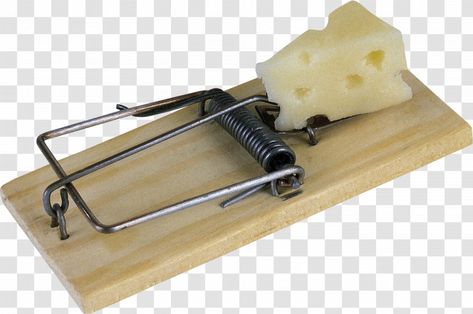
Sometimes catching rats is harder than getting rid of your neighbour’s barking dog. If even our tips do not help, try poison, but it is a rather drastic solution. Be patient and do not let failures put you off.
Leave a Reply