
Echinacea (coneflower), how to grow it and why you should buy it
It is one of the most rewarding flowers. Coneflower, or Echinacea, suits every garden. That is why it rightly ranks near the top of lists of the most popular plants. Its undeniable advantage is that it flowers from July to October, so few gardeners can imagine an Indian summer without it. It also brings a lot of joy to bumblebees and various butterflies. We must also point out that it is a medicinal plant.
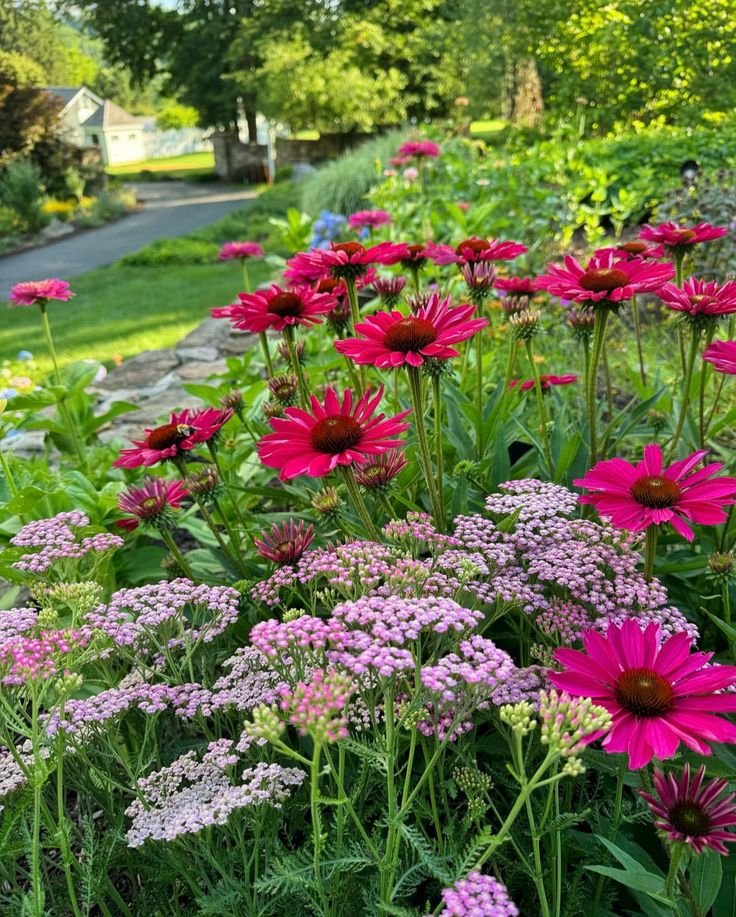
Coneflower or rudbeckia?
There is a difference between them, although not a big one. Our coneflower is Echinacea, while rudbeckia belongs to the genus Rudbeckia. However, both belong to the family Asteraceae, the daisy family.
As we have already mentioned, coneflower is a medicinal plant. It comes from North America and was widely used by Native Americans. It can help boost the body’s defences against infections. Its juice is the most effective, and a tincture preserves its strength best. However, if you take any medication, be sure to consult a doctor before using it.
Where should you plant it?
A good question. Coneflower loves the sun and also needs it, so it will definitely not be happy under a tree or in the shade. You can also plant it in more acidic soil, as it will tolerate that. However, if you want it to grow vigorously and, above all, flower well, you need to add compost. In spring it also appreciates plenty of water, so when you water your tulips, do not forget about it. Its undeniable advantage is that it can be propagated by dividing clumps, and in autumn also from root cuttings.
When planting it, pay attention to digging the hole. It should be up to twice the size of the plant you bought.
When should you cut it back?
Echinacea is decorative even in winter. Just do not expect colourful flowers. If you do not cut it back, the dark, spiky centre can look like an interesting decoration to some people. Personally, I cut it back because I no longer like the old flowers, but it is a matter of opinion. Birds also love the seeds, so they can be another source of food for them. However, be sure to cut it back in spring so that it flowers beautifully by summer. Another advantage of coneflower is that slugs do not like it, so if your garden is full of these creatures in the summer months, you do not need to worry that they will eat it.
The most beautiful varieties
- Purple coneflower
It is often part of flower beds as well as informal plantings, usually in larger groups of this species. It is valued as a flower that attracts butterflies. Garden cultivars with specific colours and growth habits are grown.
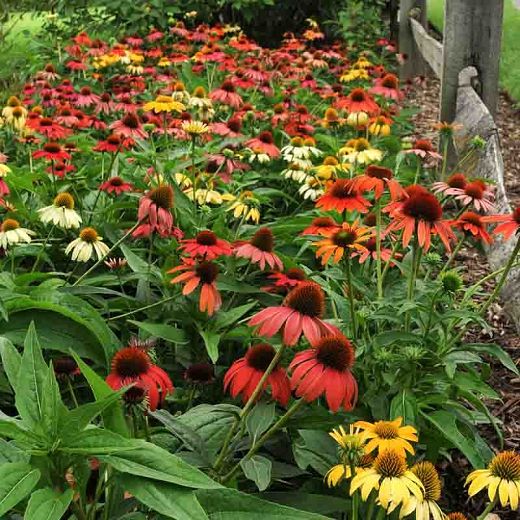
- Cheyenne Spirit
Its undeniable advantage is that it comes in a wide range of colours: yellow, golden orange, salmon and red. So if you choose it, mix the colours. A colourful clump will look wonderful. You can also grow it in a pot.
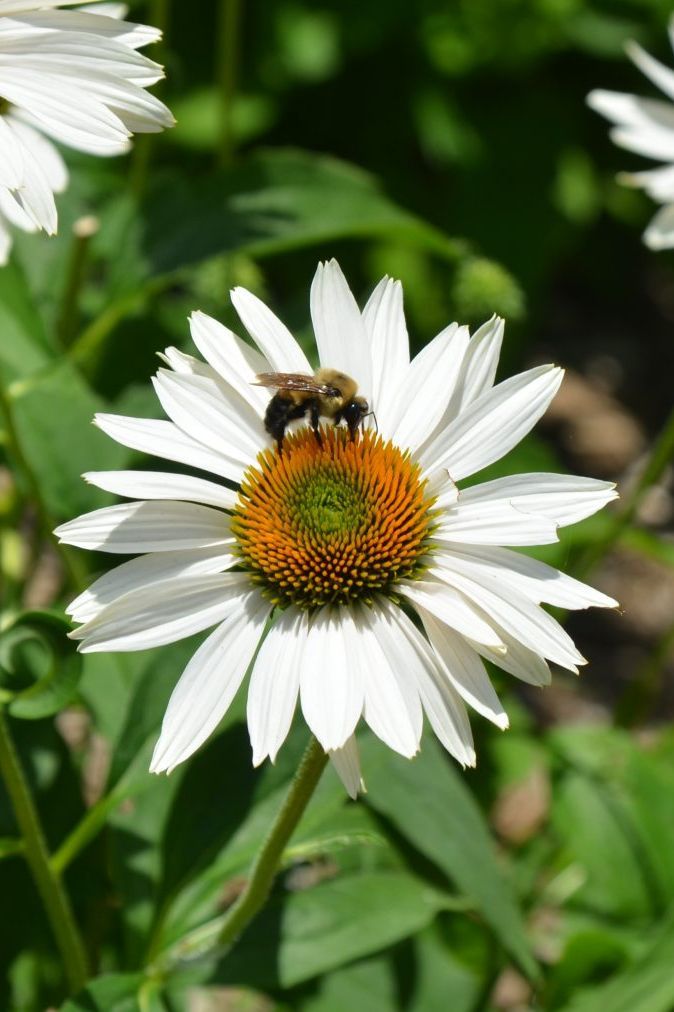
- Fragrant Angel
At first glance it may slightly remind you of a lily of the valley. It has an orange or yellow centre and white petals. Its flowers have a delicate, sweet scent that attracts butterflies.
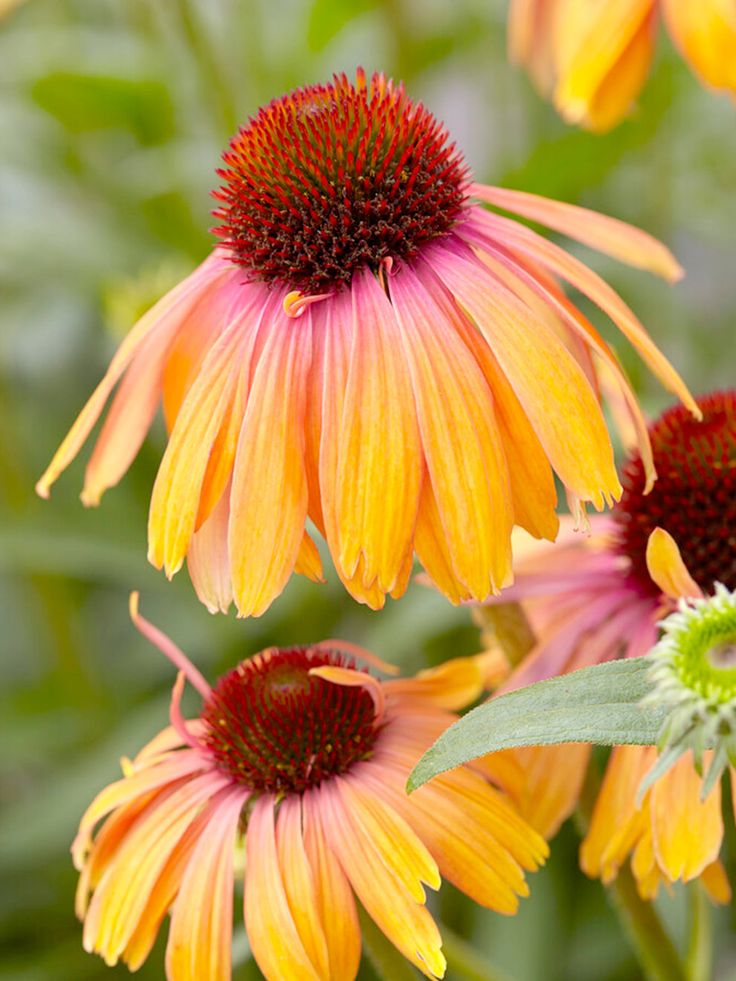
- Sensation Mango
Its pastel yellow petals are impossible to miss. That is why it also stands out in a mixed bed with other annuals. If you have a front garden, it will be useful there too.
- Razzmatazz
It looks a little angry, but otherwise it is absolutely perfect. Its appeal lies in its flower, which is impossible to miss. It is also frost-hardy.
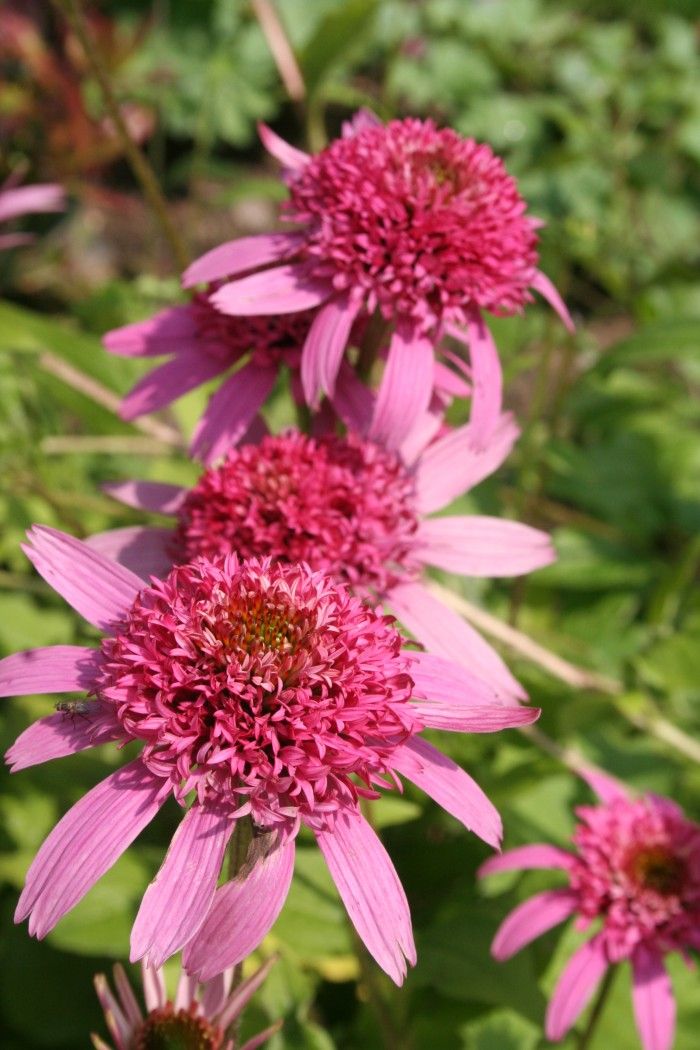
Coneflowers are rewarding and beautiful. Do not forget to cut them regularly for the vase, as this will also make them flower more.
Source: bhg.com
Leave a Reply