
A natural fence and how to create one in your garden
Whenever I’m at the Kuks Hospital complex, I always pop into its herb garden. In summer the garden is full of life, not only insects but plants too. The scent and the calm have such an effect on you that you forget all about the time. And it is in this very garden that they have beautiful natural fences. You might think it takes a lot of work to build a fence like that, but the opposite is true. All it takes is patience, skill, courage and, of course, time.
Deciduous or coniferous fence?
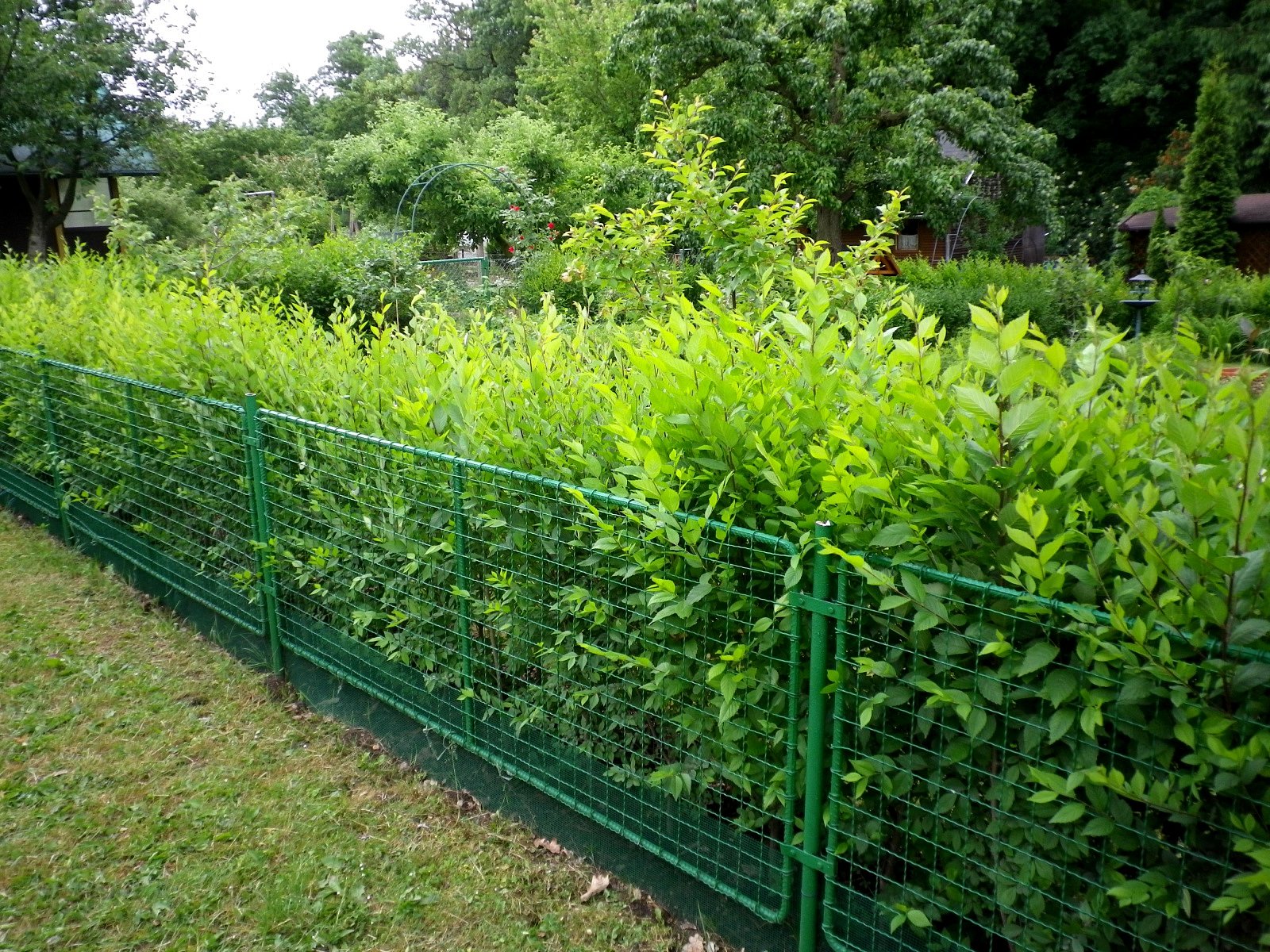
Perhaps you are one of those gardeners who don’t mind constantly looking after a natural fence. In that case, a fence of deciduous trees could suit you. A row of nut trees looks truly lovely, whichever kind you choose, hazel or walnut. You just have to put effort into regular shaping and also accept that the leaves will fall. In winter people will be able to see into your garden, but in spring everything turns green and comes back to life. On top of that, the nut trees mentioned above, for example, will give you a regular harvest, which is always welcome.
By contrast, most conifers, which are better suited to clipped hedges (perhaps the only exception being the European larch), are evergreen species. These include the much-admired thuja, or northern white cedar (zerav západní). It is true that it can be shaped beautifully, but it has its drawbacks too. Thuja needs better-quality, moister, weed-free soil and a sunny spot, otherwise it will start to thin out and become stunted.
With a few exceptions, evergreen conifers look almost the same all year round. They don’t change colour in autumn or winter, and in spring or summer they have no colourful flowers, which is also a pity. If you still insist on a natural fence made of conifers, choose a species native to our landscape. Options include English yew, Anglo-Japanese yew and Norway spruce.
Helping a natural fence grow
Coniferous hedges tend to be undemanding, and this applies to the planting itself. Try to plant them in a dug trench. Also think about the quality of your soil. If it is clayey and poor, add garden compost mix and give the young plants a boost with well-rotted compost. Mix the improving materials, the garden compost mix and the compost, with the original soil in a ratio of one to one. This helps the plant adjust to the local soil and continue to grow.
Also remember that even though coniferous hedges are undemanding, you should give them a little boost every spring. You will find a wide range of products on the market designed specifically for garden trees and shrubs. You can choose between soluble fertilisers, which release nutrients within a short time, or try long-acting granules. These feed the trees gradually and over a longer period.
Shaping a natural fence
To get a beautiful, dense fence, you need to learn how to shape it. Before you buy a plant, find out how it can be shaped. Not all trees and shrubs grow vigorously enough to be shaped with manual hedge shears. This applies, for example, to pine, which needs a more delicate approach. You should definitely keep a range of hedge shears or hedge trimmers in your garden shed.
- Manual shears: their big advantage is detailed shaping, but because they are physically demanding, they are only suitable for smaller hedges. You will especially appreciate them in densely built-up areas, where noise could bother your neighbours.
- Hedge trimmers: you can choose electric ones, which are also affordable, but the power cable will get in your way while you work. A battery-powered one is better, and you will appreciate its low weight, but on the other hand you have to accept lower power as well as the purchase price. Petrol trimmers are heavier, so your arms and back will soon ache, but their performance is the best and they can handle larger hedges.
How to stop natural fences thinning out?
Unfortunately, a common problem with coniferous trees is thinning. In some parts, whole branches may even turn rusty brown. To prevent this, try to shape the plants more often. For fast-growing species, two cuts a year are recommended. The first around June and the second in August. This makes the plants much denser. Your hedge should not be shaded by any buildings or other plants.
Woven living fence
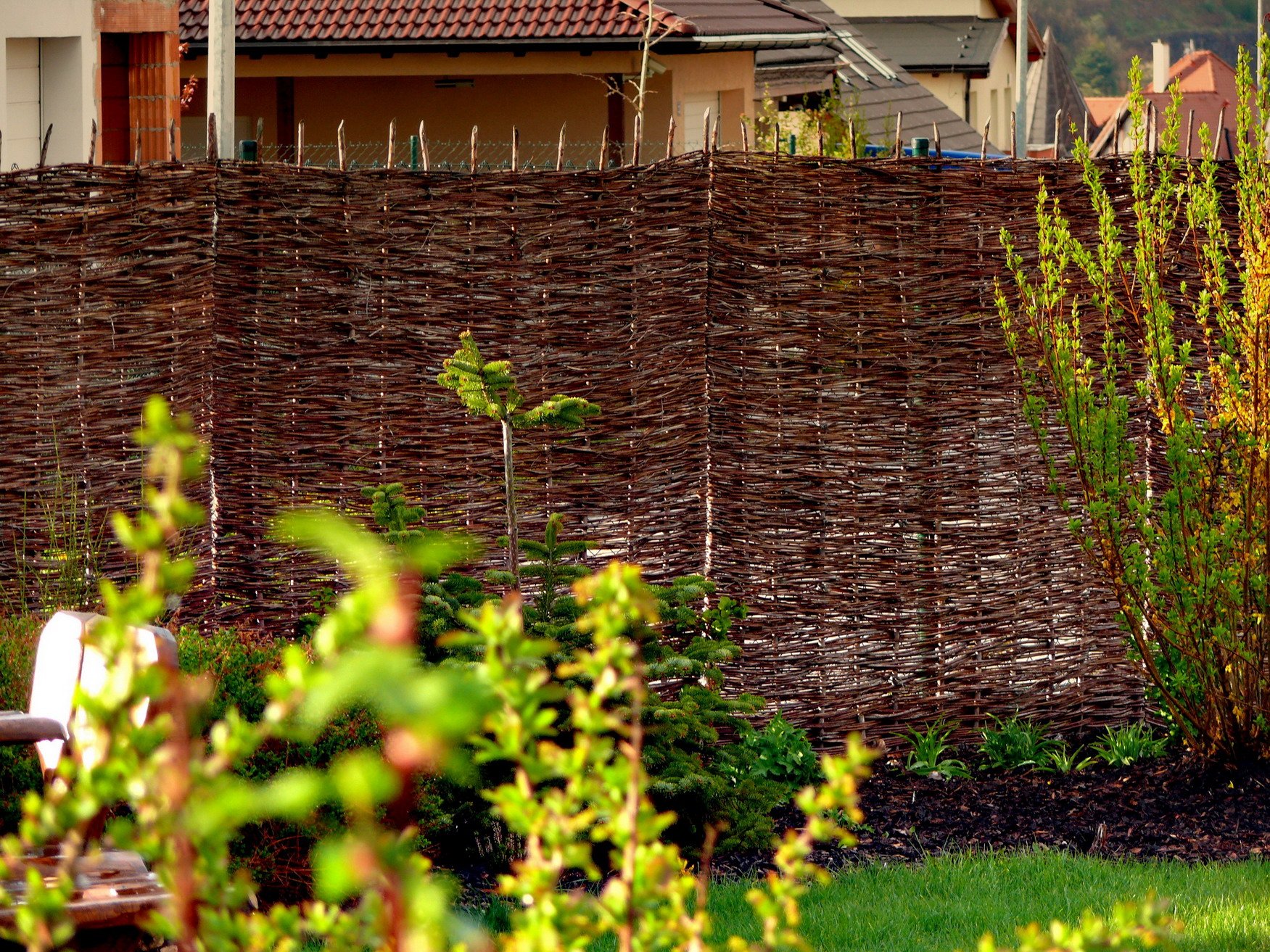
As we mentioned with Kuks, a woven living fence made of willow rods looks striking and is also eco-friendly. Once it grows over, it will give you privacy. It is also a cheaper fencing option, especially if you cut the rods yourself in the countryside. A woven fence always stays in a narrow line. It never spreads sideways, so it is also suitable for small gardens. You can make a woven fence from willow, poplar or hazel rods. You can use it to separate a pool or a herb bed.
So whichever fence you choose, a natural one is definitely more eco-friendly and more natural. If this article has tempted you to try natural fences, in the meantime you can also find inspiration on what to grow in your garden, for example legal natural drugs, or on how to get rid of fruit flies.
.
Leave a Reply