
How does heat pump soundproofing work?
You already know how a heat pump works, so now we will look at a different issue. The advantages of a heat pump are widely known. However, there is also an uncomfortable and negative side, and that is noise. Everyone’s tolerance is different. For some people, even a little noise is enough to keep them awake. Problems can arise, for example, in densely built-up areas where houses stand right next to each other. Your neighbours will then not be very fond of you. How can you deal with it?
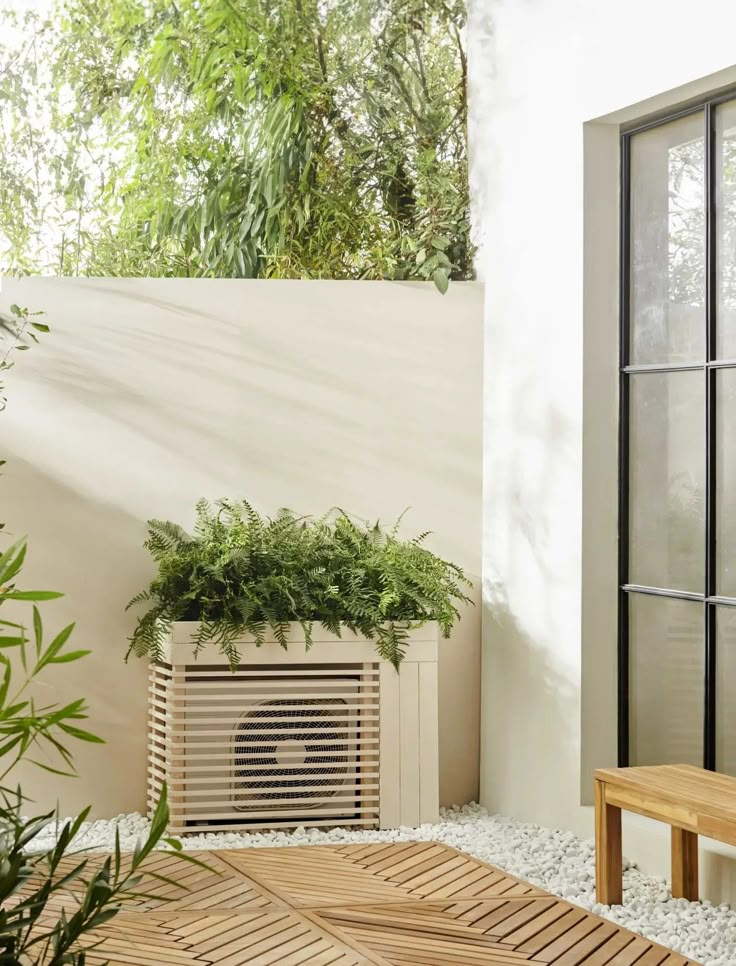
What types of heat pumps are there?
Choosing a heat pump is not difficult. There are several types, and some can produce far more noise than others. Which heat pumps are most affected?
- Air-to-water heat pump: this type is the worst. It draws heat from the outside air and its noise level is around 50–75 dB. However, it depends on the model.
- Ground-to-water heat pump: it uses heat stored in the ground. It is usually quieter, with a noise level of around 45 dB.
- Water-to-water heat pump: this is the quietest type and draws on groundwater. Its noise level is around 40 dB.
How to get a noise study
Before you go ahead with buying a heat pump, we recommend commissioning a noise study, which can be carried out as part of the final building approval (kolaudace) of a new house or renovation. You then submit this study to the Regional Public Health Authority (krajská hygienická stanice), which will approve the operation. And what does the health authority require:
- an accompanying technical report
- the heating method
- a zoning plan showing the building site
However, the requirements may vary slightly between individual public health authorities, so we recommend finding out in advance which documents will be needed for approval and how much the acoustic study will cost.
The location of a heat pump can significantly affect how noisy it is.
Practical tips on where to put it
For example, a heat pump placed close to windows or terraces can be more disturbing than one placed further away from living areas. Also, do not put it near bedrooms. Do not place it in inside corners of buildings or against walls where sound is easily reflected.
If your heat pump stands on the ground, insulate it with a gravel base. This not only provides insulation but also soaks up any condensate.
When fixing it to concrete, paving or a flat roof, use rubber anti-vibration mounts. They have excellent properties, as they can dampen vibrations. Installing them is completely standard for heat pumps from ČEZ.
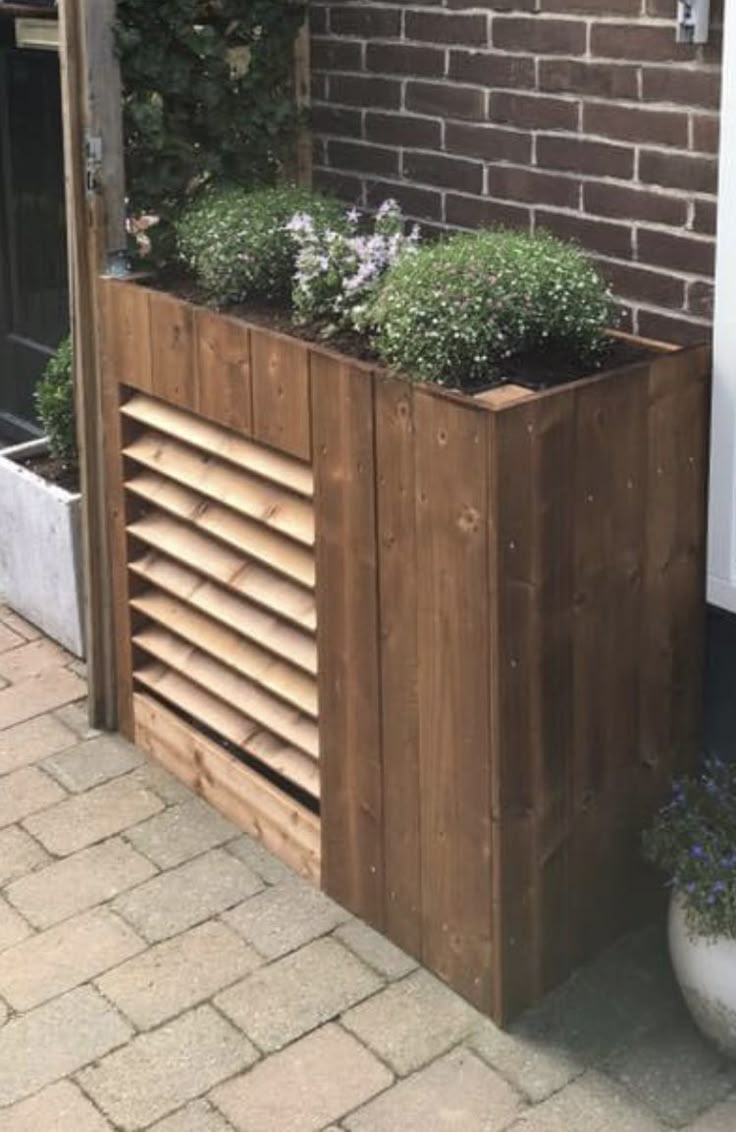
Plant hardy shrubs or ornamental grasses near the heat pump to dampen the noise. However, always keep the sufficient distance from the unit specified by the manufacturer. For it to work properly and draw in air well, nothing must obstruct it.
And then you can look forward to the payback of your heat pump.
Source: theheatpumpstore.com
Leave a Reply