
Growing roses
Roses are definitely among the most popular shrubs. Their advantage is that they stand out in both cottage and modern gardens. You can also grow them on balconies or terraces. They are popular too because they smell lovely and resist disease better. Don’t be afraid to use them to make decorative items for your home, or even in the kitchen.

Planting the queen of flowers
Before you start, add the necessary nutrients to the chosen bed so that your roses flower beautifully. Remove any unnecessary shoots from the young plants and cut back the remaining ones to a number of buds that matches the strength of the shrub, usually 2 to 3 buds are enough. After digging a hole, which should be deep and wide enough, plant the roses with their roots without bending them in any way.
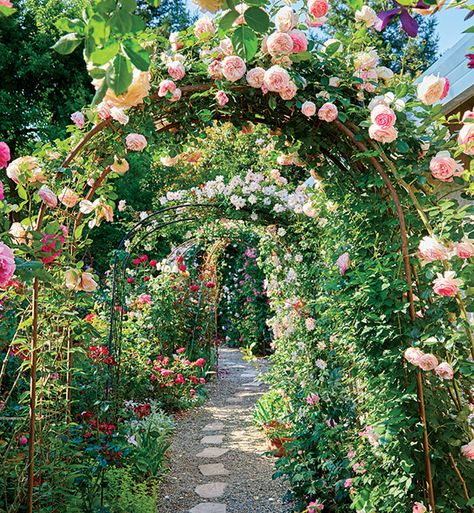
So where is the best place for a rose? Remember that climbing roses should go by a wall or a pergola, whereas roses for open ground are best placed in beds. Try to plant them between October and the end of May, even if the ground is frozen and under snow.
If you have decided to plant it in a growing pot, remember to stand the shrub in lukewarm water first, for at least half an hour. Then make a large enough hole and put the rose in it.
Types of roses
There are a great many species and hybrids, which are divided into several groups:
- Large-flowered: best for cutting, and the plant usually has one large flower per stem.
- Cluster-flowered: produce smaller flowers. They are usually dwarf varieties.
- Shrub roses: best for parks. They produce large numbers of small double or single flowers.
- Climbing: produce trailing shoots that need support to grow
Water it often
Roses do not do well with occasional watering. If possible, water them generously outside the hottest part of the day. In very hot weather, water at least twice a week. Roses also like fertiliser. Feed them mainly in early spring, and once the plant starts forming buds, add the necessary potassium and phosphorus to the soil. Water them regularly once a week.
Water them regularly at least once a week.
Overwintering roses
Before winter, water the plant thoroughly so that it does not dry out. If the surrounding space allows, loosen the soil around the rose and feed it, or cover it with, for example, a mulch of leaves or forest leaf litter. Building a mound of soil around the rose will protect the roots from winter frosts.
Some types of roses need covering if temperatures drop below -10°C. Others are almost frost-hardy, for example climbing roses.

A rose may not be grown in the same way as, say, broccoli, but when you think about it, watching it grow will give you far more pleasure.
Leave a Reply