
10 tips for a feng shui living room
The living room is where family and friends come together. It is a place for rest, relaxation and spending free time, so it matters that we make it a room where everyone feels comfortable. The traditional Chinese practice of feng shui can help us with this.
A feng shui living room will be a true oasis of rest for the soul, where we can spend time with our loved ones. In this article, we explain how to achieve it.
Feng shui
A traditional Chinese practice based on creating harmony in the space around us. The most important thing is to create harmony in the places where we spend our time: the home, the office, the country cottage or the garden. Feng shui works with the polarity of yin and yang (darkness and light) and the five elements (fire, earth, water, metal and wood).
It is said that our life is like our home. If we live in a cluttered and chaotic flat, our life will probably be the same: chaotic and cluttered. On the other hand, if we spend our time in a clean and orderly environment, our life will be well organised and our mind healthy. Feng shui is built on these foundations. It places emphasis on order, organisation and regularity.
Plenty of light
A feng shui living room must have plenty of light. Large wooden windows that let sunlight into every corner of the living room are ideal. If the room has dark corners, we should light them well (for example with a small lamp). Natural light brings positive energy into the room, supports a good mood and attracts joy and money. Mirrors, which suit this room well, also help reflect light into darker areas. At the same time, they make the space look bigger.
When houses are renovated, windows are often bricked up to keep heat loss as low as possible. The opposite approach, however, aims to bring more light into the house during renovation. This can be done even in an old house. So remember the light when you renovate your house.
Suitable accessories
The accessories we place in a room are, in effect, activated. A feng shui living room should only contain decorations that we want to keep present in our lives. Figurines, souvenirs and other objects that make us feel low or remind us of bad times should be removed without mercy.
Pictures with positive themes and photographs of loved ones and happy moments are a good choice. We should avoid pictures with sad or aggressive subjects. Pictures hold very strong energy, which can affect our state of mind.
Cushions, curtains, throws and other textiles should be made of natural materials such as cotton, linen or wool. They are breathable and work better with the room’s climate.
Layout
The living room should ideally face south-west, south-east or west. This lets as much natural light as possible into the room, so it is well lit and airy. For chi energy to flow freely, the space should be large enough.
Sofa
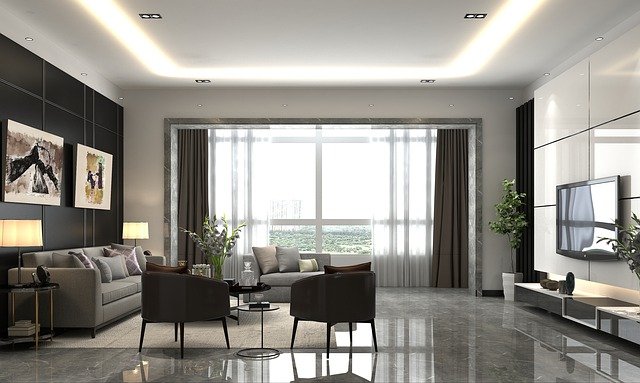
The sofa is the most used piece of furniture in the living room, so where it goes is key. From the sofa, we should look towards something pleasant, such as a view of nature or a beautiful, uplifting picture. A view of the television is also acceptable.
The sofa must not be placed so that we sit with our backs to the door. This position creates a feeling of insecurity and danger. Placing it freely in the middle of the room, with no wall behind to protect us, is also a poor choice. A solid wall behind us gives us a sense of safety and security. The seating area should be clearly defined (for example with a double-sided bookcase), so it is obvious which space belongs to it.
Table
The table in the living room symbolises health, not only physical but also mental. We place just a few decorations on it, for example a scented candle or something we feel close to. We should not forget a plant (with rounded leaves). The coffee table has a strong influence on the people sitting around it, so it should be undamaged, clean and tidy, exactly as our health should be.
Fireplace
A fireplace brings a calm atmosphere to the living area, turning the room into a pleasant oasis of rest and comfort. It is worth noting that if we want a fireplace, we should plan the living room layout as early as the house design stage, because of the position of the chimney and other technical requirements. The fireplace should not be placed in the middle of the room.
Colours
Colours affect us more than we might think. Well-chosen living room colours influence our social standing, relationships and career progress. We should choose soft, warm shades similar to those found in nature. Brown, cream, white, orange and yellow create a sense of security, stability and friendship in the space. Blue, for example, is unsuitable because it encourages activity and concentration, states of mind better suited to an office or study.
Colours affect us most while we sleep, because during sleep we are defenceless and fully exposed to their influence. The article feng shui bedroom tells us more about this.
Plants
Plants symbolise development and growth. They bring calm and harmony into our home and reduce stress, so they need enough attention and care. Sick, weak and dried-out flowers give off negative energy and block the free flow of energy. On the other hand, well-tended, healthy plants full of life give off positive energy, which is so important in a feng shui living room.
Cacti and other prickly plants with sharp leaves are unsuitable for a feng shui interior. Cactus spines represent arrows that disrupt the harmony of our space. We can place them outside the front door as a symbol of protection.
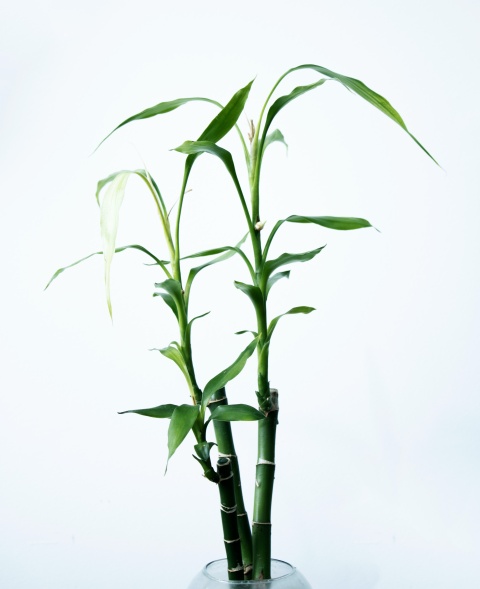
Suitable plants include bamboo, ficus, chrysanthemums and all climbing plants. All plants with round leaves, colourful flowers and a healthy green colour also bring positive energy. In the living room, we place a tall plant in the south-east corner.
Out with everything you don’t need
Storage in the living room is full of all sorts of things. Let’s go carefully through everything in the TV cabinet or the chest of drawers, especially items that have been there for several years: things we don’t need but can’t bring ourselves to throw away.
These objects, such as old figurines, vases, throws and much more, send out negative energy. By getting rid of them, we bring harmony to the space around us.
Bookcase
According to feng shui, a bookcase must be closed. An open bookcase is distracting, because we constantly take in visual stimuli in the form of letters and colourful book covers. This can disturb and tire us. A bookcase is a heavy element with a strong effect. We should soften it, for example with a shelf holding decorations but no books. Plants and a small light will also brighten the bookcase and make it feel lighter.
A feng shui bookcase (like all other elements) must be clean and tidy. We should look after it regularly so that dust does not settle in it.
More tips for bringing harmony to the living room
- Tidiness: a clean environment is the absolute foundation of feng shui,
- a bowl of coins: coins and gemstones symbolise prosperity and wealth. If we place a small bowl on the coffee table, for example, it will attract wealth and possessions into our home,
- beware of sharp objects: any knives, swords and weapons can cause arguments and aggressive behaviour,
- out with all dead objects: this means dried flowers and broken or non-working equipment. Feng shui supports everything that is alive and working,
- antiques: antique pieces have a charm of their own. However, a clock hung on the wall or an old chest of drawers against the wall is enough. We should not overdo antiques, because everything old blocks the flow of positive energy.
Leave a Reply